
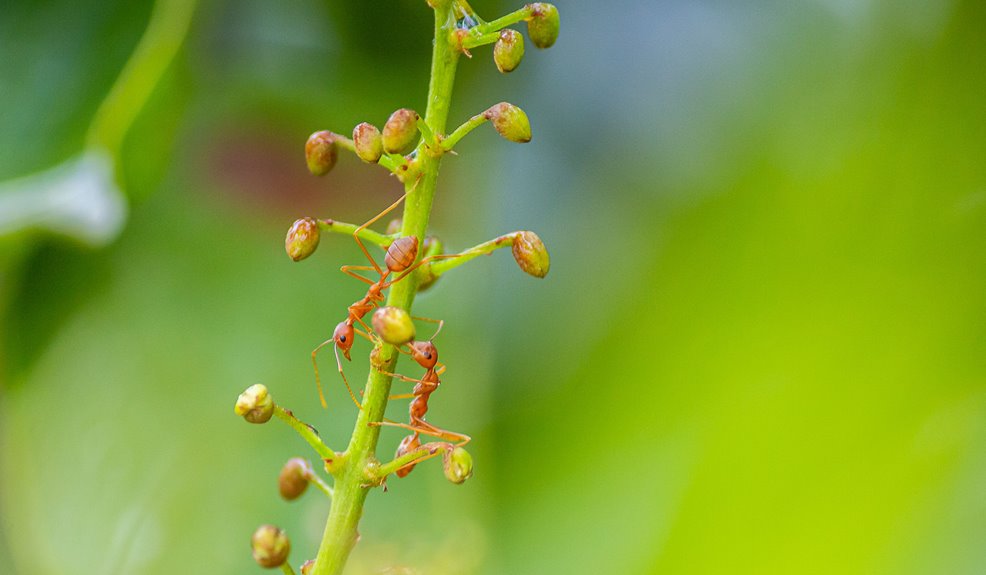
Ants invade your bathroom because it offers food, water, and shelter. They’re attracted to moisture from leaky pipes, shower condensation, and standing water. Your bathroom provides ideal nesting sites in gaps around plumbing, behind walls, and under sinks. The high humidity creates year-round living conditions that multiple ant species find appealing. These insects follow invisible scent trails to locate your bathroom and establish colonies. Identifying what draws them to this space is the first step in eliminating the problem.
Moisture: Why Ants Invade Bathrooms
If you’ve spotted ants marching across your bathroom floor, moisture is likely the culprit. Ants need water to survive, and your bathroom’s damp environment provides an abundant water source they seek out. Leaky pipes beneath sinks release steady water supplies that ants can’t resist. Even condensation from hot showers creates moisture that attracts entire colonies.
Standing water in your tub, sink, or on the floor acts as an ant magnet. High humidity levels throughout the bathroom also draw them in consistently. Carpenter ants specifically target moisture-damaged wood near plumbing areas to establish nests. They’ll tunnel behind walls seeking dampness and shelter in combination.
Dealing with bathroom ants is a common household problem. Understanding moisture’s role helps you prevent future invasions and reclaim your bathroom space.
Identify Common Entry Points Before They Become a Problem
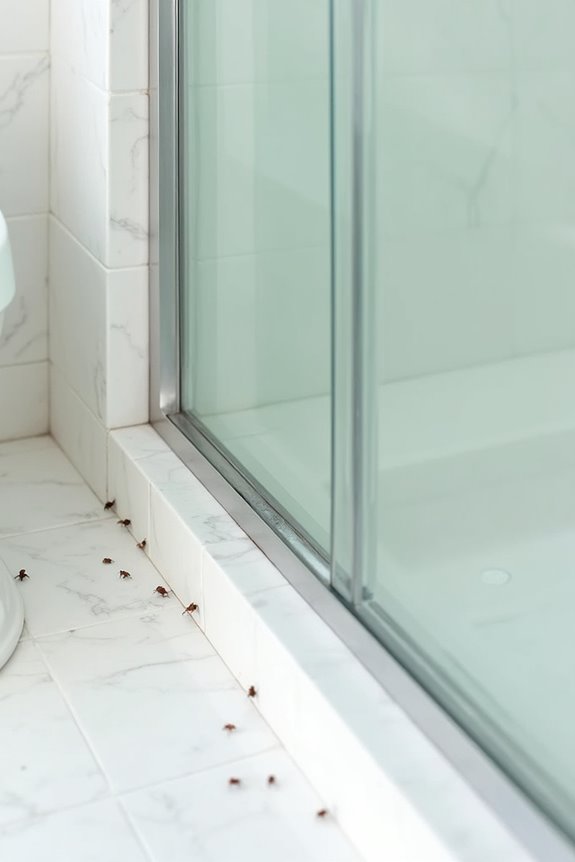
I’ll find those ants’ secret highways. You’d be surprised how many entry points exist around your bathroom: gaps around plumbing fixtures, cracks in your foundation or walls, and openings near windows or vents all serve as welcome mats for foraging ants. Spotting these vulnerabilities now means you can seal them up before an entire ant colony decides your bathroom is their new headquarters.
Gaps Around Plumbing Fixtures
Where exactly are ants sneaking in? Look closely at gaps around pipes. These tiny openings beneath your sink create perfect entry points for ants searching indoors. Water supply lines and drain pipes often have small spaces where they pass through walls or floors. Ants exploit these gaps relentlessly.
Check plumbing access points too. Behind toilet tanks and under vanities, you’ll find vulnerable areas. Damaged caulking around pipe penetrations leaves bathrooms wide open. Ants from outdoor nests follow these routes inside repeatedly.
You can seal these entry points yourself. Quality caulk or plumbing sealant fills gaps effectively. This disrupts common invasion routes and reduces infestations significantly. Repairing damaged plumbing also helps. By addressing these gaps, you’re taking control of your bathroom’s ant problem before it worsens.
Foundation And Wall Cracks
How do ants slip through your walls? Foundation and wall cracks are like highways for ants invading your bathroom. These tiny openings provide direct routes from outside soil into your home’s interior spaces. I’ve found that even hairline cracks, invisible to the naked eye, welcome foraging ants searching for moisture. Cracks near plumbing are especially problematic since water damage often enlarges these entry points. When you spot foundation cracks or wall damage, you’re leaving your bathroom’s front door open.
You can seal these passages before colonies establish themselves inside. Inspect your bathroom’s baseboards and exterior walls regularly. Fill cracks with caulk or concrete filler. This simple step prevents ants from discovering your bathroom as their new home base. Prevention beats dealing with infestations.
Windows And Ventilation Openings
While sealing cracks stops ants from using your walls as highways, you’ll also need to check your windows and ventilation openings. These spots are ant superhighways. Gaps around window frames and damaged screens let foragers slip inside easily. Inspect your windows closely for tiny openings where moisture sneaks through, which attracts ants searching for water. Unsealed vents in bathrooms create direct routes from outside into wall spaces and cabinets. Check behind baseboards near windows too. Plumbing gaps in these areas provide additional pathways. During humid seasons, nearby outdoor nests push ants indoors through these openings. Seal gaps with caulk, repair torn screens, and verify vents close properly. Taking these steps blocks major ant entry points before they become bigger problems.
Recognize Five Ant Species Found in Jacksonville Bathrooms
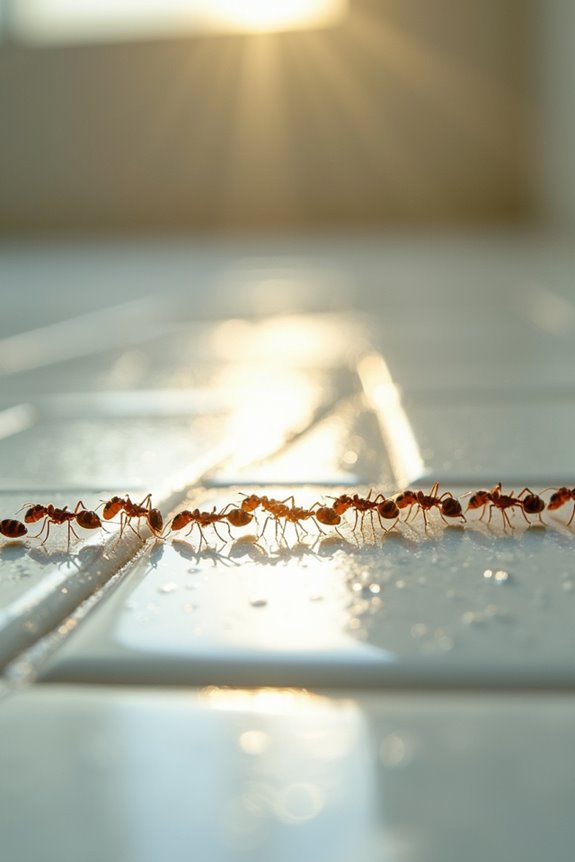
If you’ve spotted ants in your Jacksonville bathroom, you’re likely dealing with one of five common culprits. Argentine ants show up hunting for water sources they can access through wall cavities and leaks, while carpenter ants nest in the moisture-damaged wood around your tub or windows. Ghost ants, odorous house ants, and Pharaoh ants also frequent bathrooms; they’re attracted to the humidity, moisture, and sweet-smelling products like soaps, shampoos, and toothpaste residue.
Argentine Ants And Water
Because bathrooms offer moisture that ants desperately need, Argentine ants frequently invade these spaces inside Jacksonville homes. You’ll find them seeking water sources around sinks and showers, drawn to damp areas where moisture lingers. These ants follow pheromone trails like invisible highways, with paths leading from outdoor nests directly to your bathroom’s wet spots.
Argentine ants hide in wall cavities and under baseboards, particularly near leaky pipes, which serve as their preferred destinations. They nest behind baseboards where plumbing moisture remains constant. You might notice long foraging lines traveling across your bathroom walls, connecting outdoor colonies to indoor moisture hotspots.
Understanding their behavior helps you fight back effectively. Rather than just spraying, start by eliminating water sources. Seal entry points and use baits to target the colony itself.
Carpenter Ants In Moisture
How do carpenter ants differ from the Argentine ants we’ve discussed? They operate quite differently. While Argentine ants nest in soil, carpenter ants tunnel into wood itself. They’re drawn to moisture in your bathroom. If you’ve got a leaky pipe or water-damaged wood near your tub, these ants will find it. They’ll nest in hollow spaces within walls and under flooring. You might spot them behind baseboards or near plumbing access points. Look for wood that sounds hollow when tapped. You may also notice frass, which is ant waste that looks like sawdust tracks. During warm, humid periods, you might see swarmers (winged ants). These signs indicate that moisture is likely feeding the colony. Fixing leaks stops carpenter ants.
Ghost Ants Near Toiletries
Where do ghost ants hide in your bathroom? They’re attracted to moisture and sweet scents from your toiletries like soaps and shampoos. These tiny ants congregate in wall voids behind cabinets and near plumbing fixtures where it’s damp. Ghost ants leave faint pheromone trails that guide their colony members toward moisture sources and bathroom residues. In Jacksonville bathrooms, they’re among five common ant species thriving in humid environments. They often share space with Argentine and odorous house ants, all seeking the same moist conditions. To manage ghost ants, you’ll need to eliminate moisture sources first, then clean away their scent trails thoroughly, and finally place targeted baits near suspected nesting areas. This three-step approach addresses their core needs effectively.
Locate Active Ant Nests Behind Walls and Under Sinks
If you’re noticing ant trails in your bathroom but can’t find where they’re coming from, they’re likely hiding behind your walls or nestled under your sink. Ants love moisture and nest in damp spaces near plumbing pipes, especially in water-damaged wood inside wall cavities. You’ll find them thriving in the voids behind baseboards near bathrooms as well.
To locate these hidden colonies, inspect for musty odors and soft, damaged wood. Follow ant trails radiating from fixtures, drains, and wet grout; they’ll lead you toward the nest. Check under sinks carefully for activity near leaks. Look behind walls where moisture accumulates. Active nests sustain themselves by accessing both water sources and food residues nearby. Finding that moisture source is your key to discovering where they’re actually living.
Stop Wasting Time on Cleaning Alone: Why It Fails
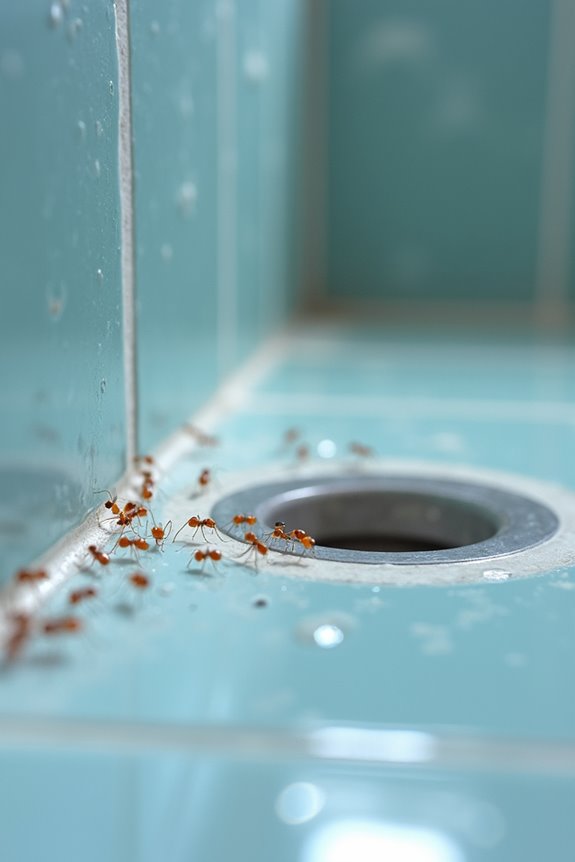
You’ve probably scrubbed your bathroom until it sparkles, yet the ants keep coming back. Here’s why cleaning alone won’t solve your problem. Ants aren’t attracted to dirt; they’re drawn to moisture and hidden entry points you can’t see. When you clean, you remove visible ants temporarily. But the colonies still thrive behind your walls and under sinks. Plus, ants leave invisible scent trails that guide their friends right back inside. Sprays kill a few ants, then more arrive from the nest. You’re fighting a symptom, not the cause. Real control means drying wet areas, fixing leaks, and sealing gaps where ants enter. Without addressing moisture and entry points, cleaning becomes an endless, frustrating cycle.
Fix Leaky Bathroom Pipes and Lower Humidity
I’ve found that leaky pipes and high humidity create ideal conditions for ant colonies. When I fix dripping faucets and repair water leaks under sinks, I remove the moisture source that sustains ant populations and eliminates the soft, rotting wood where carpenter ants nest. Lowering bathroom humidity through exhaust fans or dehumidifiers makes the space less attractive to moisture-seeking ants, which can reduce ant activity in five to seven days.
Repair Leaky Plumbing Fixtures
Leaky pipes and fixtures attract ants by creating the moisture conditions they need to thrive. Dripping faucets or water pooling under your sink provide both a water source and an ideal environment for ant colonies to establish themselves.
Why this matters: Persistent leaks create damp conditions that draw moisture-loving ants directly into your bathroom. These insects follow water trails as pathways to food sources. When you repair your plumbing fixtures, you eliminate their water supply and remove the conditions necessary for them to survive.
Results appear quickly. After patching leaky fixtures and sealing gaps around pipes, ant activity typically decreases noticeably within days to a week. Addressing plumbing leaks ranks among the most effective steps you can take to reduce ant problems in your home.
Reduce Bathroom Humidity Levels
How’s your bathroom feeling lately: sticky and damp, or dry and comfortable?
Bathroom humidity is what ants crave most. Running your exhaust fan during and after showers makes a real difference. It pulls moisture out of the air, making your bathroom less attractive to these unwanted guests.
You can also use a dehumidifier if your bathroom stays particularly damp. Both options work by lowering humidity levels considerably.
Here’s what I do: I wipe down shower walls and floors right after use. This prevents dampness from lingering, which ants exploit for survival. Even a few minutes of drying helps.
When you maintain a dry bathroom environment for several days, you’ll notice ant activity dropping significantly. This also reveals whether hidden colonies still exist in your space.
Break Ant Pheromone Trails With Vinegar and Proper Cleaning
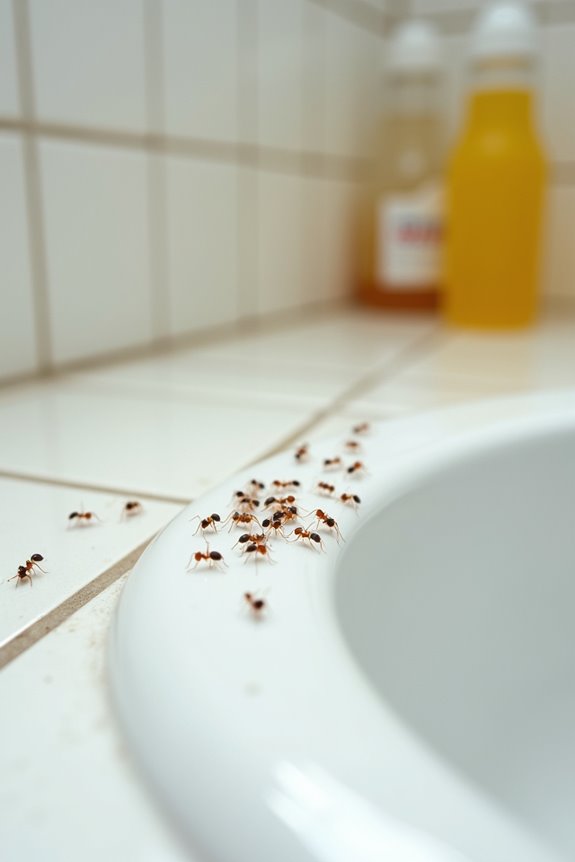
Ever wonder why ants keep returning to the same bathroom spots? They’re following invisible chemical highways called pheromone trails. This guide shows you how to break these ant trails and reclaim your bathroom.
Ants leave scent markers guiding colony members to resources. You can disrupt this system with vinegar cleaning. Mix equal parts white vinegar and water; that’s your solution.
| Surface | Method | Frequency |
|---|---|---|
| Countertops | Spray mixture, wipe thoroughly | Weekly |
| Sinks | Apply to edges and drain areas | Twice weekly |
| Tiles | Mop with solution | Weekly |
| Baseboards | Wipe all edges | Every 5 days |
| Entry points | Extra attention needed | As trails appear |
Water and soap won’t work because they don’t dissolve pheromones. Re-check treated areas frequently. When trails reappear, rewipe immediately to prevent reinfestation and stop ants from recruiting reinforcements to your bathroom.
Bait Traps vs. Sprays: Killing the Ant Colony
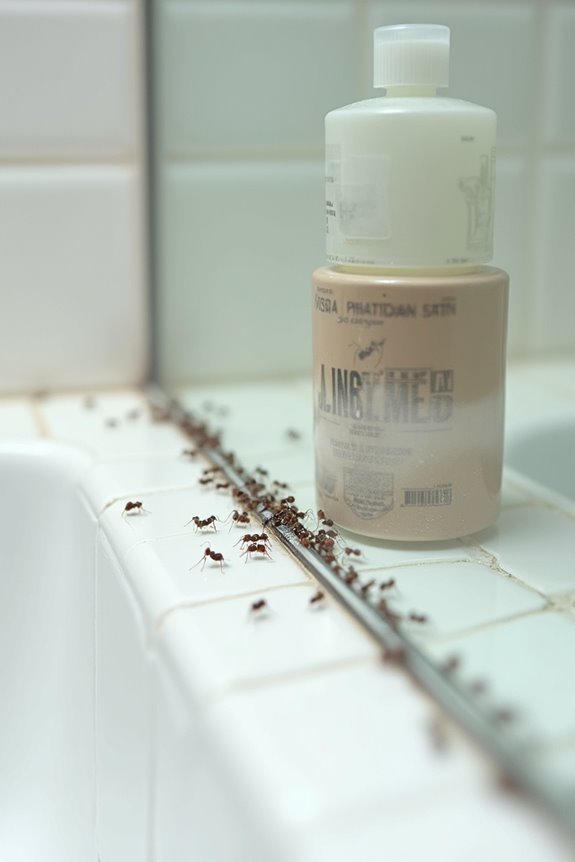
When you’re ready to eliminate ants for good, you’ve got two main weapons: bait traps and sprays.
Sprays kill visible ants quickly. However, they won’t reach hidden nests underground, so colonies often bounce back. Bait traps work differently. You place them along ant trails and entry points, where foraging workers grab the poisoned food. Here’s the key difference: workers carry this bait back to the ant colony, eliminating it from the inside out.
Think of it this way. Sprays give you immediate relief but temporary results. Bait traps require patience but deliver lasting control. Pest professionals recommend combining both approaches. Use baits for long-term colony destruction while applying selective sprays for quick visible results. This one-two punch tackles your bathroom ant problem thoroughly.
Seal Bathroom Cracks and Gaps to Block Ants
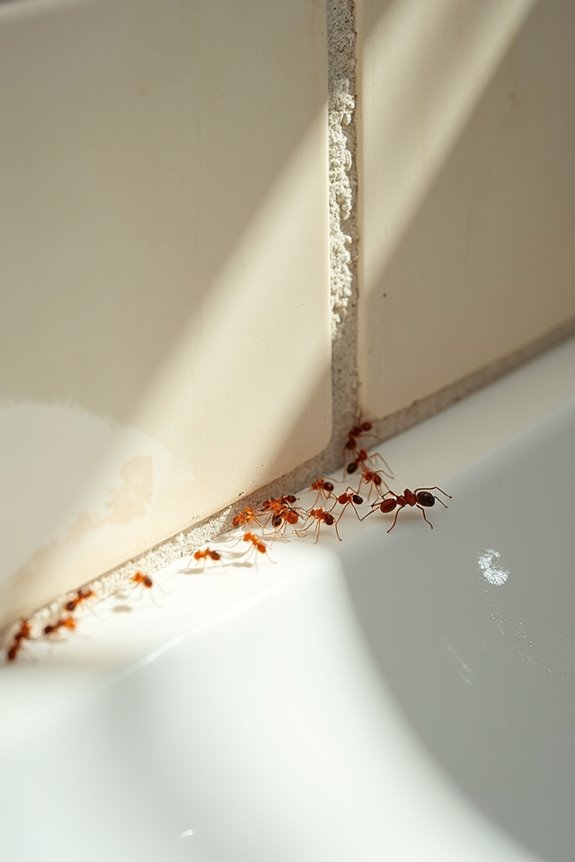
Ants slip through cracks around tiles, window frames, baseboards, and plumbing gaps to reach your bathroom. Identifying which entry points matter most and sealing them properly will block these pests from entering. The most common spots where ants sneak in include gaps between tiles and grout lines, spaces around window frames where moisture collects, cracks along baseboards, and openings where pipes pass through walls. Each location requires a slightly different approach.
Caulk works best for narrow gaps under a quarter inch wide. Apply silicone or acrylic latex caulk directly into the crack, smooth it with a wet finger, and let it dry completely. For larger gaps between baseboards and floors, use weatherstripping tape or foam backer rod before caulking. Window frames need special attention since ants are attracted to moisture; check the sills and frames for deterioration and recaulk as needed.
Plumbing penetrations pose a particular challenge. Use expanding foam to fill large gaps around pipes, then trim the excess and caulk over it. This two-step process seals effectively without leaving visible gaps. For tile grout lines, apply grout sealer after cleaning and repairing any damaged grout.
Timing matters when sealing these gaps. Choose a dry period to work; moisture interferes with caulk adhesion. Check your bathroom regularly for new cracks, especially around pipes where temperature changes cause expansion and contraction. Inspect seasonally and reseal areas that show signs of cracking or deterioration to maintain your ant barrier.
Common Entry Points For Ants
How’d those ants find their way in? You’ve got more entry points than you’d think. Around your plumbing fixtures, tiny gaps exist where pipes connect to walls and floors. These openings create direct highways for foraging ants seeking moisture and food residues. Check your tile grout cracks too; they’re accessible routes. Windows and vents also serve as frequent entry points when seals wear down. Foundation or wall cracks allow ants to travel from outdoors straight into your bathroom. Ventilation openings and exposed plumbing access points practically invite ant traffic.
Once you identify where they’re entering, you’re halfway to solving the problem. Sealing these gaps with caulk disrupts their established trails and prevents future invasions. Inspect your bathroom thoroughly. You’ll likely spot several vulnerable spots that need attention.
Best Caulking And Sealing Methods
Now that you’ve spotted where ants are sneaking in, it’s time to seal those gaps and cracks for good. I recommend using silicone caulk around sinks, tubs, and tile. This stuff stays flexible and waterproof, which is exactly what you need in bathrooms. For walls and windows, I apply polyurethane or acrylic latex caulk with water-based, non-toxic formulas. Look for mold resistance on the label to fight moisture and prevent mold growth. Don’t forget plumbing penetrations. I use backer rod plus compatible sealant to block ant entry points around pipes. Here’s the key: smooth your caulk bead with a caulking tool for a tight seal. Fewer crevices mean fewer ant highways. Recaulk every one to two years when cracks appear, especially near showers and vanities.
Timing: When To Seal Gaps
When’s the best time to tackle those cracks and crevices? Sooner rather than later. You’ll want to start sealing gaps before ants establish their highways into your bathroom. Spring and early summer work best since that’s when ants are most active outdoors. However, don’t wait if you spot entry points now. After any moisture damage or bathroom renovations, prioritize caulking immediately while openings are still visible and accessible. Regular inspections every few months help you catch new cracks before ants do. Check around pipes, baseboards, and window frames seasonally. The key is staying ahead of the problem rather than reacting after ants arrive. Consistent maintenance keeps your bathroom ant-free year-round.
Signs of Hidden Ant Colonies in Bathroom Walls
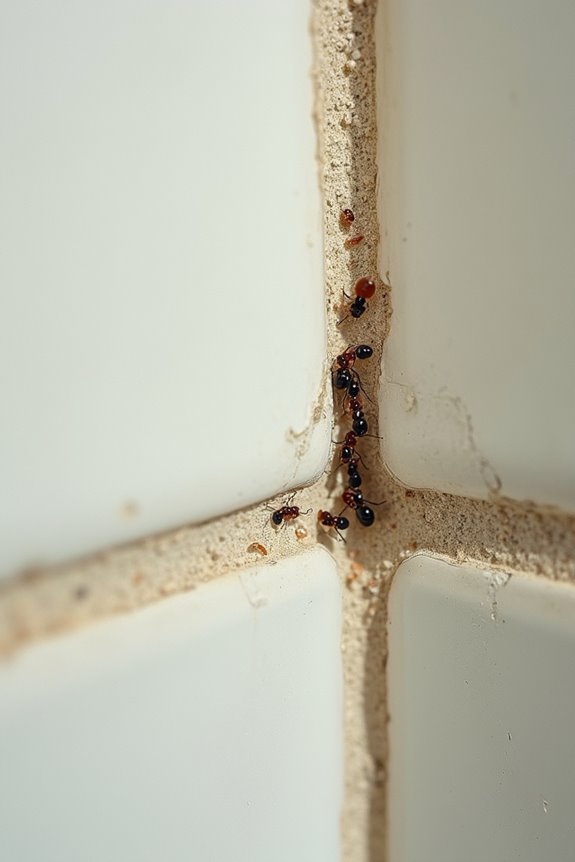
Why do ants keep showing up even after you’ve cleaned everything? You might have hidden colonies inside your bathroom walls. These colonies nest in moisture-damaged wood near plumbing, where humidity creates an ideal environment for carpenter ants and other species.
Look for telltale signs. Unexplained ant activity continues despite your cleaning efforts. You’ll notice lingering dampness behind tiles or around pipes. Check wall voids near baseboards; they’re ideal shelter spots for multiple nest chambers.
Here’s what to do. Probe wall cavities with moisture checks to detect hidden problems. Listen for rustling sounds inside walls. Professional inspections can reveal colonies that aren’t visible from outside.
Don’t ignore these warning signs. Hidden colonies grow quickly in damp conditions and cause serious damage over time.
DIY Ant Treatments Not Working? When to Call a Pro
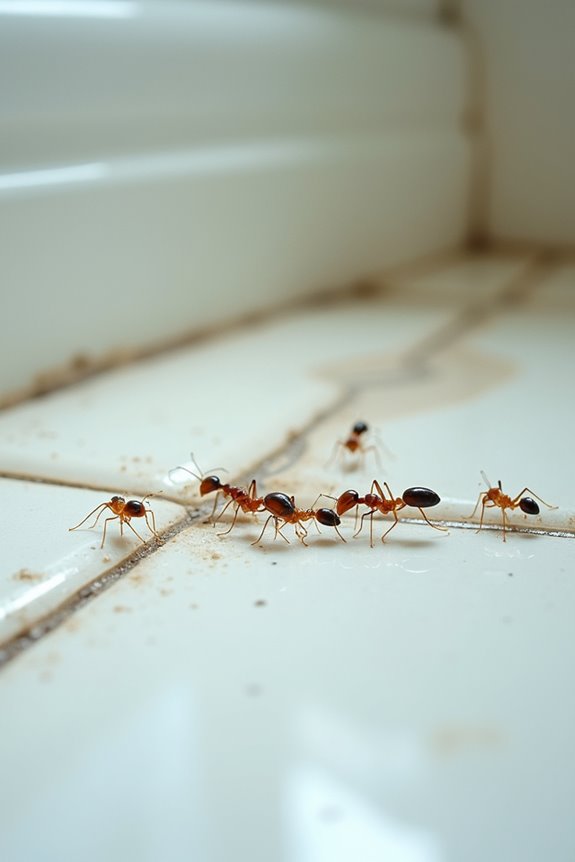
You’ve sprayed, you’ve cleaned, yet the ants keep returning. That’s because over-the-counter sprays kill visible ants but miss hidden colonies behind walls and under floors. Bathroom ants hide in concealed spaces where sprays can’t reach, allowing survivors to rebuild their nests.
If bathroom ants persist after two weeks of DIY efforts, it’s time to call an expert. Professionals identify your ant species and locate all nests, including satellite colonies you can’t see. They customize treatment plans targeting these hidden locations.
Licensed services like Lindsey Pest Services inspect your entire home, not just visible problem areas. They address plumbing access points and prevent reentry. This comprehensive approach stops reinfestation at the source, providing lasting relief instead of temporary fixes.
Build a Year-Round Defense: Long-Term Prevention Strategy
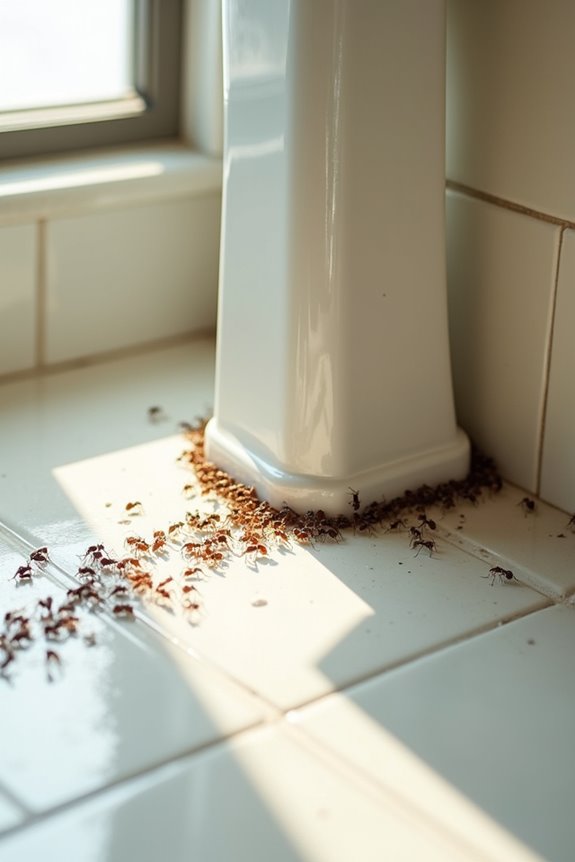
Because ants need moisture to survive, your best weapon is controlling your bathroom’s water sources. Fix leaks immediately and run exhaust fans during and after showers. Dry surfaces daily to eliminate their water supply completely.
Next, seal entry points thoroughly. Address gaps around pipes, wall cracks, tile grout, and windows or doors. This blocks ongoing access year after year.
For effective ant control, use targeted baits and clean regularly to erase pheromone trails. Monitor hidden nests behind baseboards, under flooring, and in wall voids near plumbing areas.
Finally, assess your entire home. Remove kitchen spills, seal exterior cracks, and eliminate damp spots. This moisture management strategy prevents ant trails from leading into your bathroom, keeping your space ant-free long-term.
Connect Bathroom Ants to Kitchen and Outdoor Problems
Ants don’t just appear in your bathroom by accident; they’re following a trail that starts somewhere else. Your kitchen and outdoor spaces are likely the culprits. When you leave food crumbs or spill liquids in your kitchen, ants detect these resources and create pheromone trails. These invisible highways connect directly to your bathroom through shared plumbing gaps and wall voids. Bathroom ants are actually foraging workers traveling from exterior nests near your foundation, following these established routes indoors. Damp plumbing fixtures in both rooms provide water sources that keep ants migrating between spaces. To stop bathroom ants, you’ll need to address the source. Seal gaps around pipes, clean kitchen residues thoroughly, and fix leaky fixtures. Eliminating these shared resources breaks the connection ants in the bathroom depend on for survival and communication.
Schedule Your Free Inspection From Lindsey Pest Services
How’d those bathroom ants get there in the first place? I’ll help you find out. Lindsey Pest Services offers a free inspection that identifies your specific ant species and locates hidden nests. Our technicians examine moisture sources and entry points carefully. We check for leaks, humidity, and damp areas behind walls or under flooring near plumbing. These spots attract bathroom ants like magnets.
During your free inspection, I’ll assess whether DIY methods work for you or if professional elimination is necessary. We’ll create a tailored treatment plan addressing bathrooms, kitchens, and outdoor areas. This prevents reinfestation from happening again. Scheduling takes just minutes. You’ll receive expert guidance on your bathroom ant problem. Contact us today. Stop wondering. Get answers.