

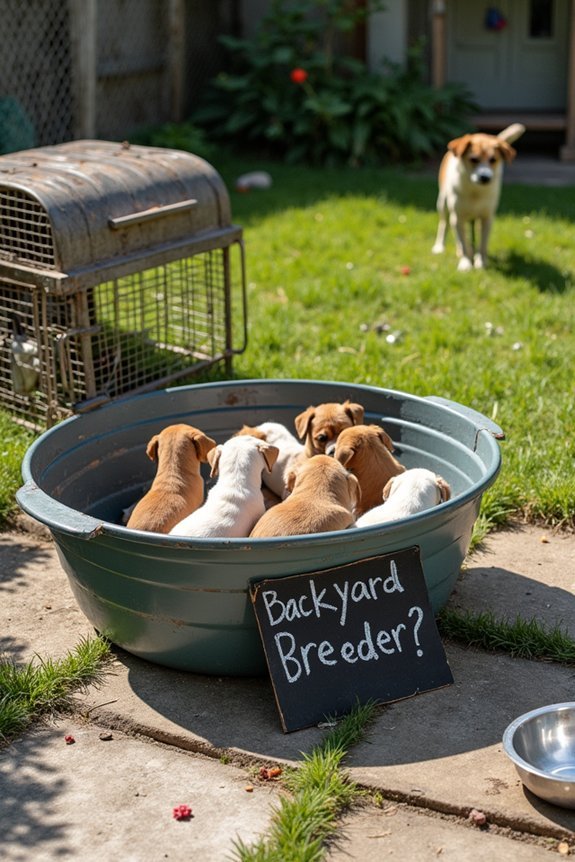
A backyard breeder produces puppies outside formal programs, prioritizing profit over health. They skip genetic testing, health screening, and proper care standards that responsible breeders follow. Their dogs often face inherited health issues, poor socialization, and behavioral problems.
Unlike responsible breeders who offer guarantees and support, backyard breeders disappear after the sale. This practice strains shelters and costs adopters thousands in veterinary care. Understanding these differences helps you make smarter choices for your wallet and community.
What Defines a Backyard Breeder?
What Defines a Backyard Breeder?
What exactly separates a backyard breeder from a responsible one? The key differences are straightforward.
1. Profit Over Welfare
Backyard breeders prioritize making money when breeding dogs. They don’t follow established breeding standards or best practices for animal care.
2. Inadequate Health Testing
Responsible breeders test parents for genetic diseases. Backyard breeders skip this step entirely, risking health problems in puppies.
3. Poor Living Conditions
Backyard operations often neglect nutrition and socialization. Mother dogs and puppies lack proper veterinary care and safe environments.
4. Minimal Buyer Screening
These breeders advertise locally year-round with no questions asked. Responsible breeders carefully select homes for their puppies.
5. No Guarantees
Backyard breeders discard mothers when breeding stops. They offer no health guarantees or return policies, unlike ethical breeders.

ACTIONABLE HEALTH INSIGHTS: Test for over 270 genetic health conditions and get actionable insights to help you give your pup the best care possible. Knowing if your dog is at higher risk for certain health conditions means you can intervene earlier and work with your veterinarian to create a personalized care plan. After receiving their test results, 37% of dog owners changed how they care for their dog.

BREED IDENTIFICATION: Embark screens for over 400 dog breeds. Using a research-grade genotyping platform developed in partnership with Cornell University College of Veterinary Medicine, Embark offers the most accurate breed breakdown on the market.

TEST YOUR PETS FOR 855+ COMMERCIAL PET FOOD INTOLERANCES & ENVIRONMENTAL SENSITIVITIES. Our 2-in-1 pet sensitivity and intolerance test reveals your dog or cat’s response to 575 commercial pet food & treat ingredients found in dry kibble, wet/canned food, freeze-dried formulas, air dried formulas and 282 environmental items, like fabrics, cleaning products, plants, and grasses. You’ll uncover what may be contributing to symptoms like diarrhea, paw biting & licking, skin irritations, and watery eyes.
Backyard Breeders vs. Responsible Breeders: Key Differences
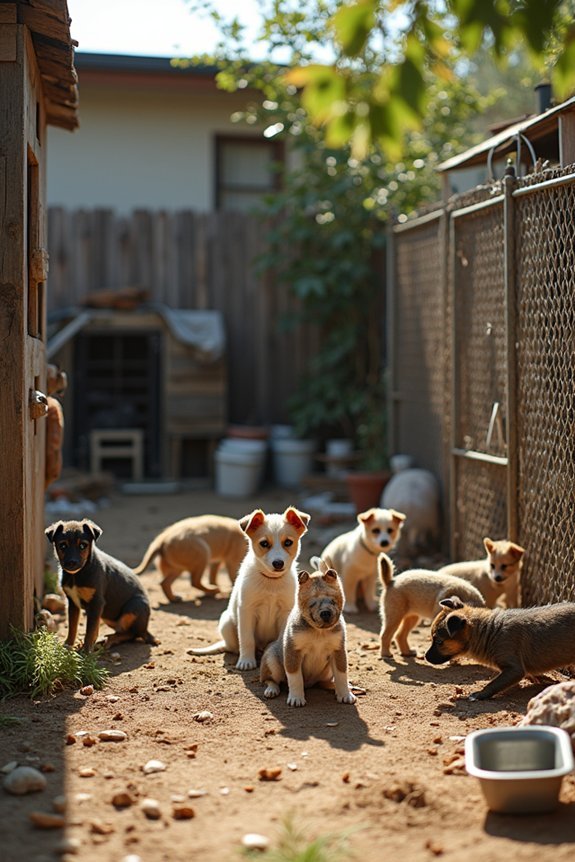
How do you tell the difference between a backyard breeder and a responsible one?
1. Health Screening
Responsible breeders test both parents for genetic problems. Backyard breeders skip this step entirely, which means puppies inherit serious health issues.
2. Guarantees and Support
Responsible breeders offer health guarantees and will take a dog back if problems arise. Backyard breeders provide nothing, leaving you with unexpected vet bills.
3. Parent Care
Responsible breeders treat mothers like family members. Backyard breeders discard them once breeding ends.
4. Adoption Screening
Responsible breeders carefully choose puppy homes. Backyard breeders sell year-round to anyone. This causes more dogs entering shelters and strains community resources.
Understanding these differences protects your wallet and supports ethical practices.

The Most Accurate Breed Detection: Screen for 430+ breeds to get a breed report down to 1%. Because knowing every detail helps you understand how to care for them.

The Most Accurate Breed Detection: Screen for 430+ breeds to get a breed report down to 1%. Because knowing every detail helps you understand how to care for them.

AFFORDABLE, PROVEN AND LOVED BY THOUSANDS – Get top-tier DNA testing with over 99% accuracy without the premium price. Our test is one of the most cost-effective on the market
The Health Risks of Backyard-Bred Dogs
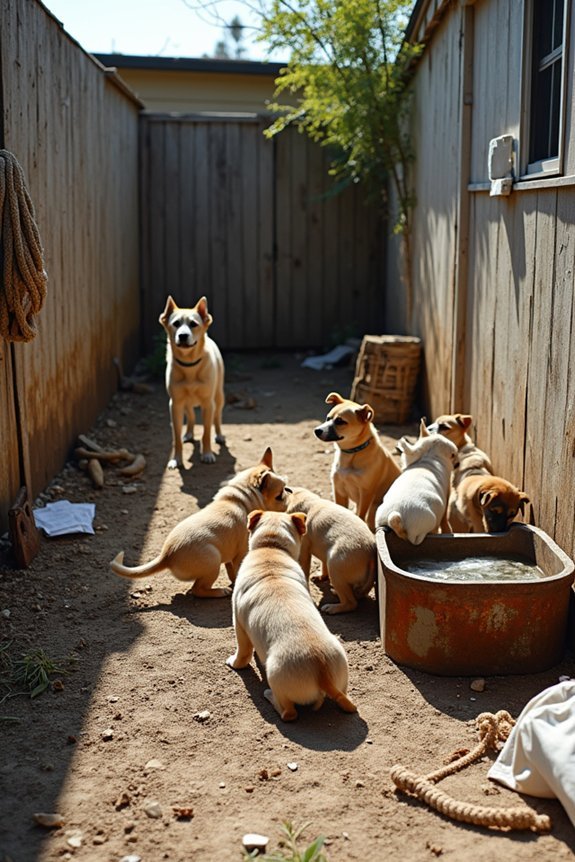
Why do backyard-bred puppies face so many health problems? Understanding these serious concerns is essential for anyone considering adoption.
| Health Issue | Cause | Impact |
|---|---|---|
| Poor nutrition | Inadequate dam and puppy feeding | Developmental delays, weakened immunity |
| Infectious diseases | Lack of vaccinations | Kennel cough, parvovirus spread |
| Parasites | Unsanitary conditions | Fleas, worms, serious illness |
| Behavioral problems | Inconsistent care, poor socialization | Aggression, anxiety, adjustment issues |
1. Nutritional Deficiencies
Backyard breeding operations typically provide inadequate nutrition for mother dogs and puppies. When dams receive poor diets, their offspring suffer developmental problems that compound over time. Stunted growth, weak bone development, and organ damage often result from these early nutritional gaps.
2. Disease Susceptibility
Puppies raised without proper vaccination protocols contract kennel cough and parvovirus with ease. These diseases spread rapidly through unsanitary living conditions, creating outbreaks that affect multiple litters. Once infected, puppies face serious complications including dehydration, organ failure, and death.
3. Long-Term Consequences
Health issues that begin in backyard operations continue after adoption. Untreated infections progress into chronic conditions. Behavioral problems intensify as dogs age. Many of these puppies end up abandoned in shelters, where they require expensive veterinary care and behavioral rehabilitation. The financial and emotional burden falls on rescue organizations and adoptive families who inherit these preventable problems.

【Rich Dog Training Kit】 Includes a training waist bag, a silicone dog treat bag, 2 dog training clickers with wrist strap(one dark green, one black), an adjustable ultrasonic dog whistle with lanyard, a 2-in-1 dog whistle clicker (light green), a roll of dog waste bags, and a dog clicker training manual, meeting various training needs.

Used Book in Good Condition

Train Your Pet: Clicker training is a clear way to train your pet using a click and a reward to tell your pet he's done something you like
Behavioral Problems in Backyard-Bred Puppies
Behavioral issues in backyard-bred puppies often stem from neglect, poor socialization, and inconsistent care during critical developmental stages. Understanding how these early experiences shape your puppy’s future behavior is essential for setting realistic expectations and planning appropriate interventions.
1. Fear and Aggression
Puppies from puppy mills and backyard breeders frequently develop fearfulness and aggression. Limited exposure to people, environments, and other dogs during important developmental weeks leaves them unprepared for normal interactions. Without positive early experiences, these puppies may respond to unfamiliar situations with defensive or aggressive behavior.
2. Impulse Control Problems
Inadequate nutrition and stressful conditions create anxiety and poor impulse control. Your puppy may struggle with destructive behaviors like chewing and jumping. These behavioral patterns often reflect the stress and overstimulation the animal experienced in its early environment rather than inherent personality traits.
3. Attachment Difficulties
Lack of early training and enrichment prevents secure bonding. These puppies often have trouble trusting caregivers and forming healthy relationships. The absence of consistent, nurturing interactions during sensitive periods can result in long-term attachment issues that require professional behavioral support.
Choosing responsible breeders reduces the financial burden of behavioral training and helps prevent the emotional challenges that come with addressing serious behavioral problems later in your dog’s life.

All-in-one pet care tracking: vaccinations, vet visits, medical exams, medications and more

Comprehensive Canine Medical Record – Tracks vaccines, services, medications & treatment notes for streamlined pet care.

Sufficient Quantity:When you choose our dog vaccines records, you'll receive 10 notebook.Whether you're a breeder, veterinary practice, or multi pet household, this will ensure you have enough documentation on hand for managing each pet's health history。Every puppy vaccination record book has 12-page puppy health journal has 8 dedicated pages for tracking your pup’s health, vet visits, and key details, with 4 blank pages at the end for jotting down extra notes, pet-related info, or anything else you want to record.
Why People Become Backyard Breeders
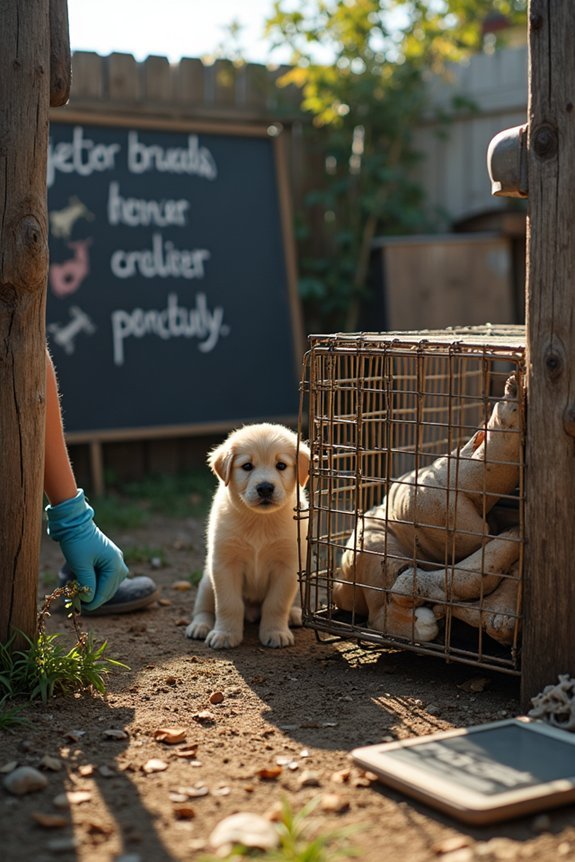
You might wonder why someone would start breeding dogs without proper training or standards. Some people don’t realize they’re causing harm; they think breeding their family pet is harmless or even educational, when they’re actually contributing to serious health and overpopulation problems. Others see dollar signs and decide that breeding dogs sounds like an easy way to make money, not understanding the real costs of responsible animal care.

Size & Fit: 23.8"L x 16.9"W x 20.6"H — Ideal for small breeds like French Bulldogs and Bichon Frises. Fits dogs up to 19.5" long (nose to tail base), 16.5" tall (floor to head), and under 25 lbs

IDEAL FOR 21-40 LB DOGS: Measures 30.5 x 19.25 x 21.5 inches - perfect for French Bulldogs, Welsh Terriers, Dachshunds & similar breeds. For dogs near 40 lbs, consider sizing up to our 36-inch model so they have plenty of room to get comfortable.

Flexible Design: you will receive 1 pcs dog crate divider panel ( divider only, without crate), suitable for 36 inch dog crates; Its material are oxford cloth exterior and spun cotton filling; With a sizable area of 24 x 22.5 inches, the divider boast an adaptable design that will cater to match the size change of the puppy from puppy to adult
Ignorance And Accidental Breeding
How do people end up becoming backyard breeders in the first place?

Screen For More Health Conditions Than Any Other DNA Test. We test for 265+ genetic health conditions (including MDR1, IVDD, POMC, and urinary stone risk) so you can get ahead of health risks and create a personalized care plan with your vet.


Suitable for 99% pet dogs, easy one-button operation
1. Lack of Knowledge About Desexing
Many people don’t realize how important it is to spay or neuter their pets. Without this knowledge, unplanned pregnancies happen. Your pet can have litters without you expecting it. This ignorance leads to more animals than you’re prepared to care for.
2. Underestimating Breeding Responsibilities
Some folks don’t understand the real costs and work involved. They think breeding is simple or casual. They don’t know about health problems specific to certain breeds. Poor care follows naturally when you’re unprepared for these challenges.
3. Viewing Breeding as Educational
Parents sometimes allow breeding to teach children about reproduction. They see it as a valuable experience. They fail to consider the welfare consequences for the animals involved.
Perceived Profit Opportunities
Money is a powerful motivator, and that’s often what drives backyard breeding. Some people see their pets as profit opportunities. They believe breeding animals will generate quick income with minimal effort or investment.
Continuous Breeding for Income
These breeders may produce litters repeatedly, year after year. They’re focused on maximizing profit rather than animal welfare. Continuous breeding strains the parents’ health and resources.
AFFORDABLE, PROVEN AND LOVED BY THOUSANDS – Get top-tier DNA testing with over 99% accuracy without the premium price. Our test is one of the most cost-effective on the market

IMPORTANT NOTE: Embark’s Age test works best for dogs who are past the puppy stage.

The most comprehensive cat DNA test. Wisdom Panel identifies 70+ breeds and populations. Know your cat like never before. Our detection system offers the most precise breed report available leveraging the world’s largest cat breed reference panel.
Lack of Standards
Backyard breeders often skip health testing and genetic screening. They advertise through classifieds, selling animals without proper documentation. This approach cuts costs but creates serious problems for the animals and buyers who inherit health issues and unexpected expenses.

【Rich Dog Training Kit】 Includes a training waist bag, a silicone dog treat bag, 2 dog training clickers with wrist strap(one dark green, one black), an adjustable ultrasonic dog whistle with lanyard, a 2-in-1 dog whistle clicker (light green), a roll of dog waste bags, and a dog clicker training manual, meeting various training needs.
All-in-one Complete Dog Training KIt: This training kit includes Target Stick,Training Clicker,Whistle,Bell,Treat Pouch. If you love pet training than this is the product for you! Once the dog or cat has learnt to follow you can easily direct him into position.

Red Flags When Buying From a Breeder
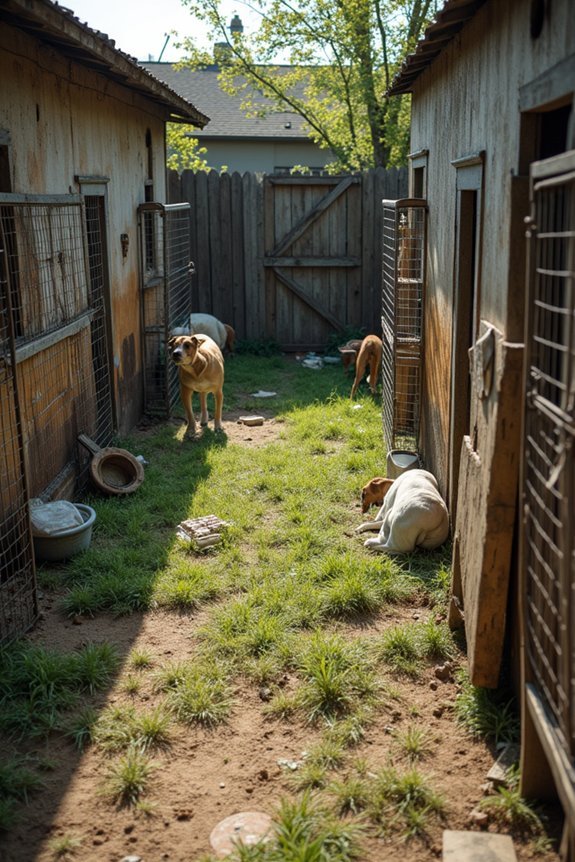
When you’re looking for a puppy, there are several warning signs that can help you identify a backyard breeder.
1. Availability and Screening
If puppies are always available year-round without waiting lists, that’s suspicious. Responsible breeders screen adopters carefully and ask questions about your home and lifestyle.
2. Health Documentation
Legitimate breeders provide visible health clearances for both parents. Claims of vet checks without documentation suggest backyard breeding practices.
3. Breeding Standards
Watch for mothers being discarded after breeding stops. Puppies sold too young indicate poor welfare standards.
4. Transparency and Guarantees
Reputable breeders meet you openly and offer dog-back guarantees. If they meet off-site or ship dogs without disclosure, proceed with caution.
These red flags help you avoid backyard breeders and support ethical breeding instead.

ENSURE PET SAFETY ON THE GO with our dog travel accessories, dog must haves in pet travel. Our comprehensive pet first aid kit for dogs is your companion for worry-free journeys.

Organized Health Management: The Juvale Puppy Record Card provides an efficient system for managing vaccine records for puppies. With its durable construction, this dog record book is essential for maintaining accurate canine health records
How Backyard Breeders Contribute to Shelter Overcrowding
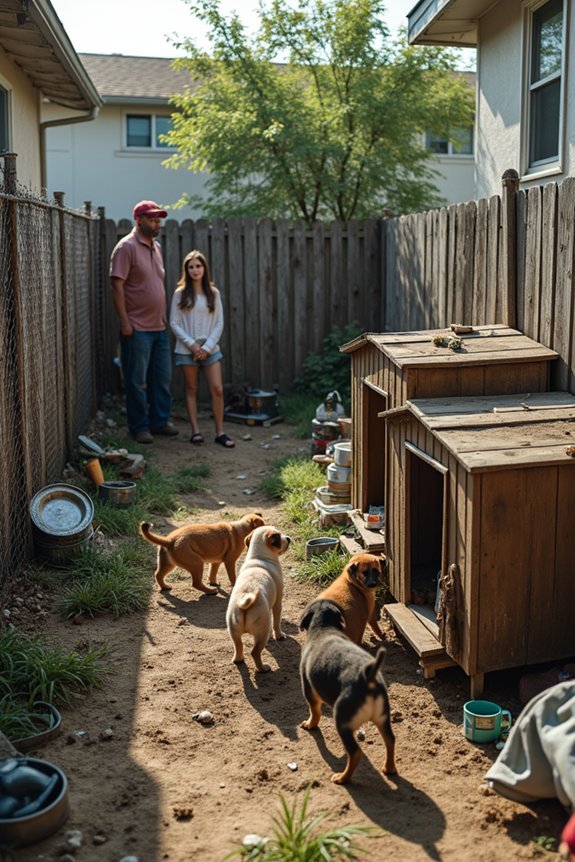
When backyard breeders abandon mothers and litters they’ve finished using, these dogs flood into shelters that are already at capacity. The puppies they produce often arrive with genetic and health problems, costing shelters thousands of dollars in veterinary care. Adopting from a shelter instead of buying from a backyard breeder helps reduce demand for their dogs and frees up shelter space for animals who genuinely need rescue.

【Durable Construction】Our dog crate is made of sturdy, rust-resistant metal wire, making it durable and able to handle energetic puppies. Its durable design makes it resistant to deterioration, giving it a dependable option for extended usage.Dog cage dog crate dog kennel

24-inch dog crate for pets under 20 x 15.25 inches (LxH), like a Havanese or Pug

Stackable Dog Crate for Space Saving --- This 36" dog crate measures: L36.6" x W22.5" x H29";( Interior Dimensions: 35"L x 21"W x 22.5"H ) - Perfect for dogs weighing 30-60 lbs. The stackable design helps save valuable floor space, perfect for multi-pet households, pet clinics, veterinary hospitals, etc. Suitable for dogs up to 35" long and 22" tall, especially for small to medium breeds like French Bulldog, Cocker Spaniel and Miniature Schnauzer.
Abandoned Mothers And Litters
1. Shelter Overcrowding from Backyard Breeding
Why do shelters across the country struggle with overcrowding? Backyard breeders abandon mothers when they’re no longer profitable. You’ll find these abandoned mothers in shelters, often pregnant or nursing puppies. This creates a domino effect that strains facility resources.
2. What Happens to Discarded Dogs
When breeders dump litters on streets, shelters absorb them. These stray dogs need food, medical care, and housing. Facilities like Chicago Animal Care & Control face mounting pressure from unwanted litters. The costs add up quickly; veterinary bills, staff time, and shelter space become scarce.
3. Breaking the Cycle
You can help by adopting from shelters and welfare organizations. This reduces demand for backyard-bred puppies. Supporting rescue adoption directly addresses overcrowding and protects vulnerable mothers from abandonment.
Genetic And Health Defects
Genetic And Health Defects
How do puppies end up in shelters with serious health problems? Backyard breeders skip genetic screening, which means they don’t test parents for inherited diseases. This results in puppies born with eye problems, hip dysplasia, and heart conditions. These health issues emerge as puppies grow, creating expensive veterinary bills for new owners.
Breeding Without Care
When breeders ignore maternal health, they produce weak, vulnerable offspring. Overbreeding exhausted mothers weakens litters further. Puppies arrive malnourished and prone to infections. These fragile dogs struggle to adapt to homes, leading owners to surrender them to shelters.
The Shelter Impact
Puppies with genetic and health issues cost shelters significant resources for medical care. This diverts funding from helping other animals, perpetuating overcrowding problems.
Adoption Demand Reduction Impact
Beyond the health crisis backyard breeders create, there’s another serious problem: they’re filling our shelters to capacity. When we choose adoption instead of buying from backyard breeders, we directly reduce shelter overcrowding. Here’s how this works:
- Lower puppy demand – Fewer people buying backyard-bred puppies means fewer unwanted litters end up in shelters
- Reduced intake numbers – Shelters receive fewer animals, freeing resources for better care
- Faster adoptions – Less overcrowding means dogs find homes quicker
- Decreased strain – Staff can focus on animal welfare instead of managing overflow
When we promote adoption, we create a ripple effect that weakens the backyard breeding market. Public education about adoption gives shelters breathing room and helps every animal get the care they need. We’re not just saving individual dogs; we’re addressing a systemic problem that affects entire communities of animals and the people who care for them.
The Impact on Breeding Mother Dogs
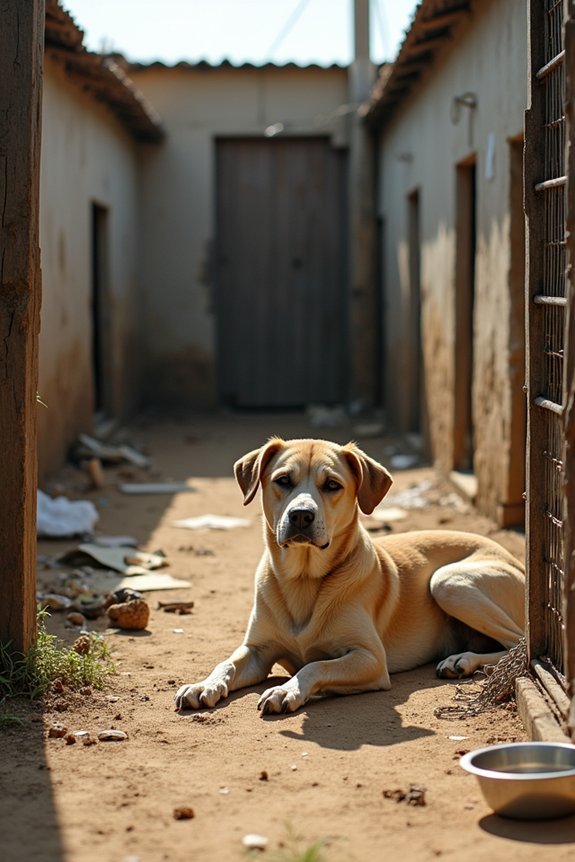
What happens to the mother dogs in backyard breeding operations? Understanding the harsh reality they face is essential for recognizing why responsible breeding practices matter.
1. Abandonment and Neglect
When mother dogs stop producing litters, backyard breeders often discard them. These dogs receive minimal nutrition and medical care. Breeders prioritize profit over the mother’s wellbeing, leaving discarded animals to fend for themselves or end up in shelters.
2. Constant Breeding Cycles
Mother dogs endure year-round pregnancies without rest periods. They receive no pre-birth or post-birth health screening. This exhausting cycle damages their physical and mental health, leading to weakened immune systems and behavioral problems.
3. Poor Living Conditions
Mothers are frequently kept in undisclosed, unsanitary locations. Disease spreads easily in these crowded environments. Inadequate shelter leaves them vulnerable to illness, parasites, and infections that go untreated.
4. Breeder Ethics Matter
Responsible breeders prioritize mother dog health and establish retirement plans for breeding females. This ethical approach prevents animal suffering and reduces shelter overcrowding. When breeders treat breeding mothers as living beings rather than production units, the entire breeding ecosystem improves, resulting in healthier puppies and better outcomes for all animals involved.
Where Unsold and Unwanted Puppies End Up

When backyard breeders can’t sell all their puppies, many end up abandoned at shelters and rescues, which then face overcrowding and stretched resources. Nursing mother dogs frequently arrive at shelters without their litters, showing clear signs of neglect from breeding operations. This cycle continues to expand until more people choose adoption from shelters instead of buying from backyard breeders.
Shelter Overcrowding And Intake
Shelter Overcrowding And Intake
Where do puppies go when backyard breeders can’t sell them? Many end up in shelters, straining resources and creating real problems for communities like ours.
Understanding the Shelter Impact
Backyard breeding directly contributes to shelter overcrowding. Here’s what happens:
- Discarded litters arrive at shelters like Chicago Animal Care & Control, overwhelming intake capacity
- Nursing mothers are abandoned, requiring specialized care and extended shelter stays
- Street-released dogs from breeding operations add pressure on limited resources
- Higher euthanasia rates result when shelters can’t accommodate all animals
When breeders abandon animals they can’t sell, shelters absorb the cost and responsibility. This creates longer waits for adoptable pets and tougher conditions overall.
The Solution
Supporting shelter adoption reduces demand for backyard-bred puppies. You make a real difference when you adopt responsibly.
Abandoned Mother Dogs Appear
Behind every abandoned puppy at a shelter, there’s often a mother dog. I’ve learned that breeders discard these mothers once they stop producing litters. They’re no longer profitable, so they’re released onto the streets or left at shelters. These abandoned mothers arrive milk-filled and without puppies, taking up valuable shelter space. They’ve typically suffered from poor nutrition and lacking veterinary care during breeding. Their health problems become the shelter’s responsibility and burden.
Adopting from shelters or breed-specific rescues directly addresses this issue. When you choose shelter adoption, you’re reducing demand for backyard-bred dogs. This choice prevents future abandonments and helps overtaxed shelters serve more animals in need.
Breeding Regulations and Enforcement by State
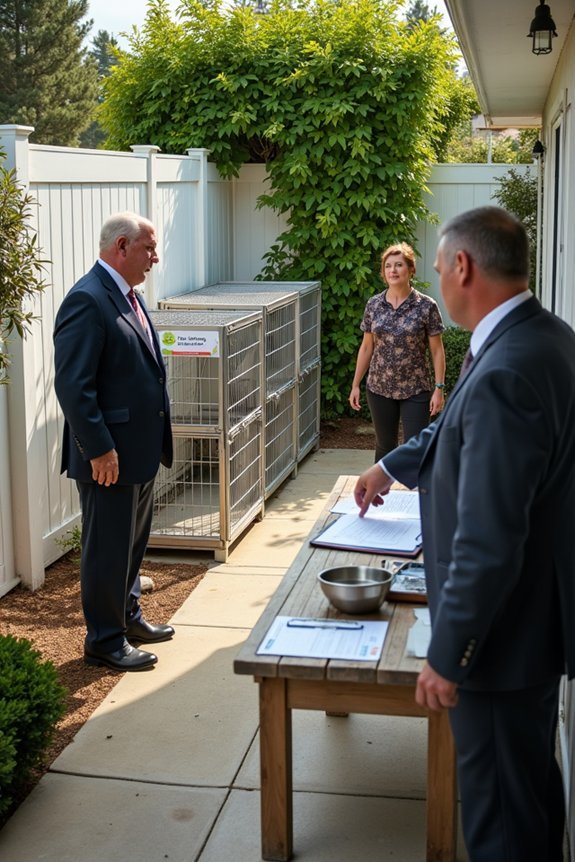
Since backyard breeding isn’t regulated the same way everywhere, state laws create very different rules for dog breeders. What’s legal in Texas might be illegal in California. Understanding these differences helps you identify responsible breeders from problematic backyard breeders in your area.
- California requires licensed breeders to follow strict welfare standards and maintain proper documentation
- Texas has minimal regulatory requirements, allowing more backyard breeder operations without licensing
- New York mandates health certificates for all puppies sold, providing stronger oversight
- Penalties vary by location, ranging from fines to license revocation depending on violations
These state-specific rules shape enforcement mechanisms. When you know your local regulations, you’re better equipped to support ethical breeding practices and avoid contributing to irresponsible operations in your community.
Legal Consequences for Irresponsible Breeding
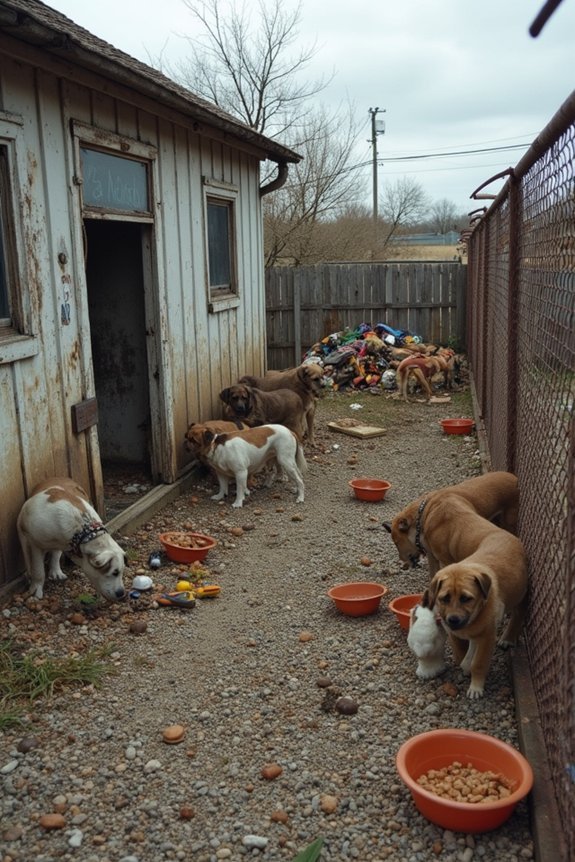
Irresponsible dog breeding violates laws that vary significantly by state and region. Penalties differ based on jurisdiction, severity of violations, and local animal welfare statutes. Understanding these legal frameworks helps you recognize why responsible breeding practices protect you financially and legally while preventing animal suffering.
State and Regional Legal Frameworks
Most states have animal cruelty laws that apply directly to breeding operations. These statutes often define minimum care standards, including proper housing, nutrition, veterinary treatment, and socialization. Violations can result in criminal charges, civil fines, or both. Some states classify severe breeding violations as felonies rather than misdemeanors, which carries more serious penalties.
Financial Penalties and Fines
Fines for irresponsible breeding range from hundreds to thousands of dollars depending on the offense and state. First-time violations typically result in smaller penalties; repeat offenses incur substantially higher costs. Beyond fines, you may face court costs, attorney fees, and mandatory veterinary care expenses for seized animals.
Criminal Charges and Jail Time
Serious breeding violations can lead to criminal prosecution. Charges may include animal cruelty, operating an unlicensed breeding facility, or violating specific state breeding regulations. Convictions can result in jail sentences ranging from days to years, depending on the severity and local laws.
Seizure of Animals and Property
Authorities can seize dogs from unlicensed or negligent breeding operations. You lose ownership rights to the animals and incur costs for their care during legal proceedings. Property used in illegal breeding operations may also be forfeited.
License Revocation and Restrictions
Licensed breeders face license suspension or permanent revocation for violations. Such actions prevent you from legally breeding in that jurisdiction for specified periods or indefinitely.
Responsible breeding practices eliminate these legal and financial risks entirely.
State-Specific Legal Penalties
What happens when a backyard breeder ignores animal welfare laws? Penalties vary significantly across states, reflecting different regulatory priorities and enforcement levels.
- California enforces strict breeding laws. Licensed breeders must meet welfare standards, with serious consequences for violations.
- New York mandates health certificates for puppies. This creates legal documentation expectations that protect buyers from irresponsible breeding.
- Texas has fewer regulatory requirements. The state allows more lenient oversight compared to stricter jurisdictions.
- Penalties include fines, license revocation, and mandatory desexing when breeders fail to meet welfare standards.
Understanding these differences helps you recognize where irresponsible breeding occurs. Reporting violations to local animal control, state agriculture agencies, or humane societies triggers investigations and corrective actions. Whether you live in a strict or lenient state, knowing these consequences empowers you to support ethical breeding practices.
Enforcement And Compliance Issues
Understanding the legal consequences backyard breeders face is one thing. Enforcing those laws proves much harder.
1. Resource Limitations
Police and animal-control officers juggle many responsibilities. They lack time and funding for enforcement. This means violations often go undetected or unreported.
2. Documentation Matters
You play an important role in enforcement. Document violations carefully. Take photos and notes. Report them to local animal control or welfare agencies.
3. Compliance Challenges
Backyard breeders avoid oversight intentionally. They skip health clearances and adoption screening. Off-site sales and hidden kennels make enforcement difficult.
4. What You Can Do
Support proactive programs like spay/neuter clinics. These prevent unwanted litters. You’ll help reduce breeding demand and protect animal welfare while saving communities money long-term.
What Responsible Breeders Do Differently
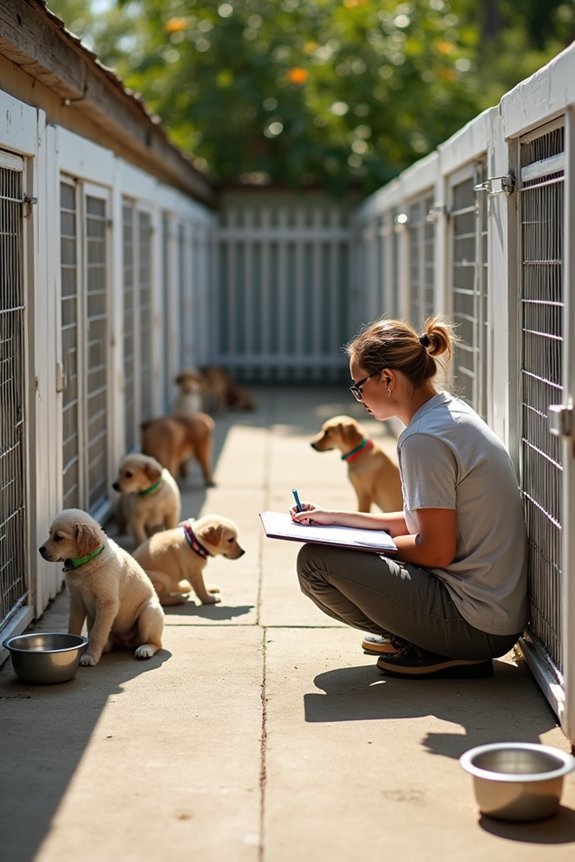
How do responsible breeders differ from backyard breeders? They prioritize animal welfare and breed ethics. Here’s what sets responsible breeders apart:
- Pre-arranged homes – Responsible breeders only breed when they’ve already found suitable families for puppies. This prevents overpopulation and shelter overflow.
- Health screening – They disclose health clearances for multiple generations and conduct breed-specific testing to reduce inherited problems. This can save you significant veterinary costs down the road.
- Buyer screening – They carefully evaluate adopting families to ensure committed homes rather than selling to anyone with cash available.
- Dog-back guarantees – Responsible breeders accept returns anytime for any reason. This contrasts sharply with those who discard mothers or abandon dogs when convenient.
Responsible breeders welcome visits to their facilities, demonstrating transparent care standards and genuine concern for their animals’ wellbeing. Their practices reflect a commitment to the breed and the families who adopt from them.
How Your Choices Reduce Demand for Backyard-Bred Dogs
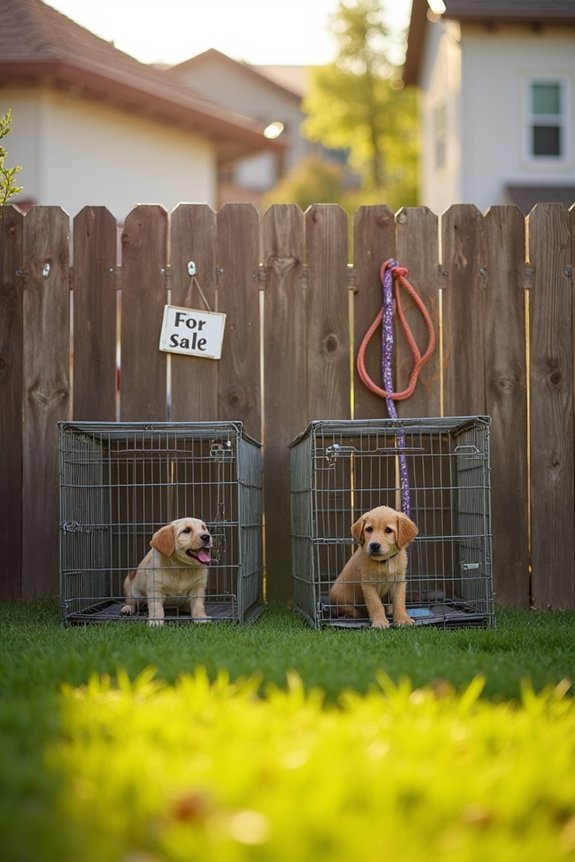
Every time you choose a responsible breeder over a backyard breeder, you’re sending a powerful market signal.
1. Reducing Demand Through Adoption
When you adopt from shelters, you decrease the market for backyard-bred puppies. This choice directly impacts dog breeding practices. Fewer sales mean less incentive for unethical breeders to continue their operations.
2. Supporting Health Standards
Choosing responsible breeders who screen parents and provide health clearances encourages higher industry standards. Your decision rewards ethical practices and discourages shortcuts that harm animals.
3. Long-Term Benefits
Selecting well-bred dogs reduces shelter intake and stray populations. You’ll also avoid costly health problems common in backyard-bred puppies. Your wallet and local animal welfare improve simultaneously.
Your choices matter. They shape the future of dog breeding practices in your community.
Adoption as the Smarter Alternative
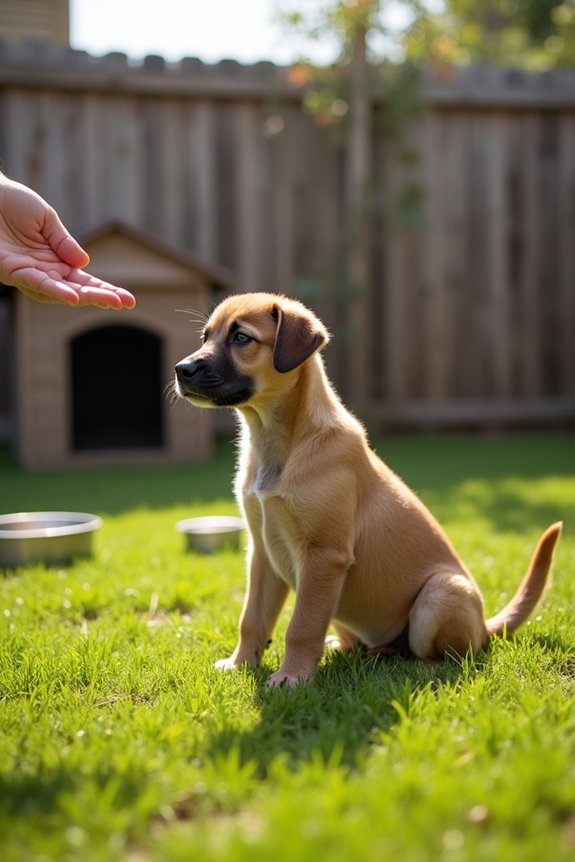
Adoption from shelters and rescues offers a straightforward path that sidesteps backyard breeding entirely. When you adopt, you’re choosing a dog whose health and temperament you can verify. You’re also reducing demand for backyard breeders who prioritize profits over puppy welfare.
Why adoption makes sense:
- Health transparency – Shelters document medical histories and screen for diseases backyard breeders might hide.
- Financial savings – Adoption fees cost far less than purchasing from breeders while covering vaccines and spaying.
- Behavioral support – Rescue staff know each dog’s personality and help match you with the right fit.
- Community impact – Your choice directly reduces shelter overcrowding caused by poorly bred dogs.
Adoption lets you welcome a healthy companion while supporting welfare-focused organizations.