
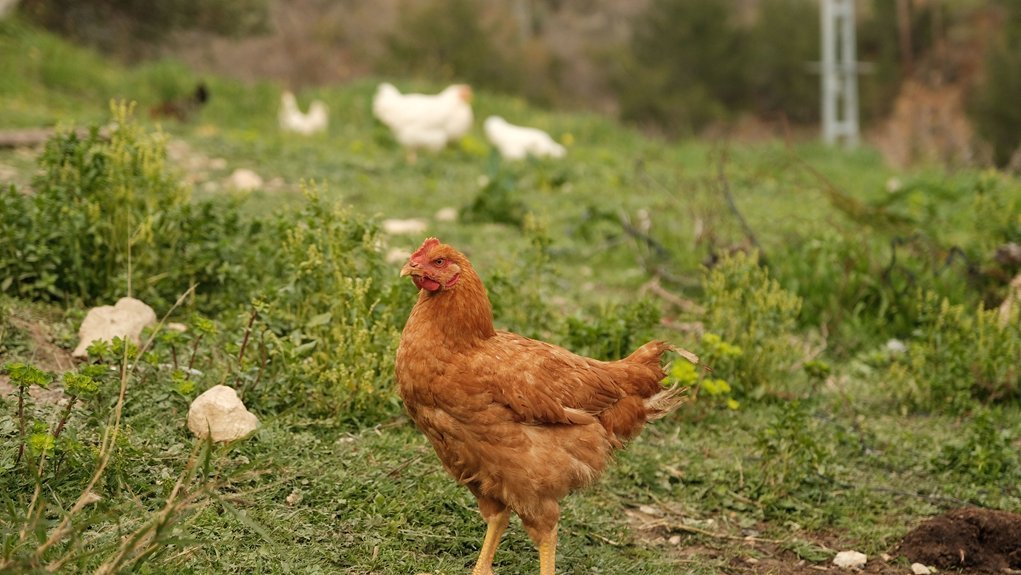
Can You Keep Backyard Chickens? It depends on your local laws. Contact your zoning office to verify what’s allowed; some areas permit chickens freely, while others require permits or ban them entirely.
Check These First: Review your local ordinance in writing, confirm flock size limits (often 2 to 6 chickens), and verify coop setback requirements. HOAs can restrict chickens even where local law permits them.
Next Steps: Roosters face stricter rules due to noise concerns. Once you’ve confirmed legality, you’ll discover specifics about housing, costs, and care that fit your situation.
Is It Legal to Keep Backyard Chickens Where You Live?
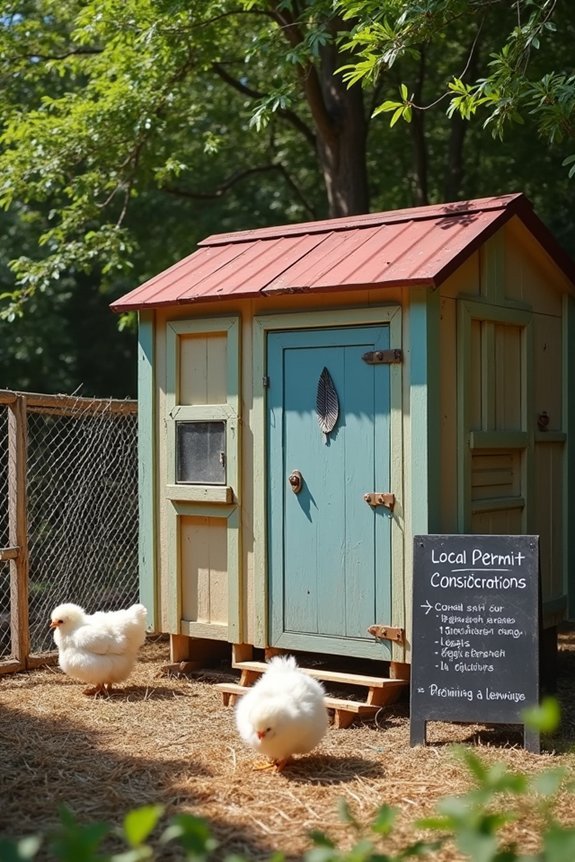
Before you bring home your first flock, you’ll need to find out if it’s actually legal where you live.
1. Check Your Local Regulations
Yard chickens aren’t legal everywhere. Rules vary dramatically by county and city. Some areas allow them freely, while others require permits or ban them entirely.
2. Contact Your Zoning Administrator
Your local zoning administrator holds the answers. They’ll explain your specific local regulations and any permits you’ll need. This is your most reliable information source.
3. Understand Common Requirements
Many places limit how many chickens you can keep. Alachua County permits six chickens on smaller properties. Roosters are often prohibited in residential zones. Some areas require setback distances from property lines.
4. Don’t Forget HOA Rules
Homeowner associations can restrict chickens even where local law permits them. Check your covenant documents carefully before proceeding.

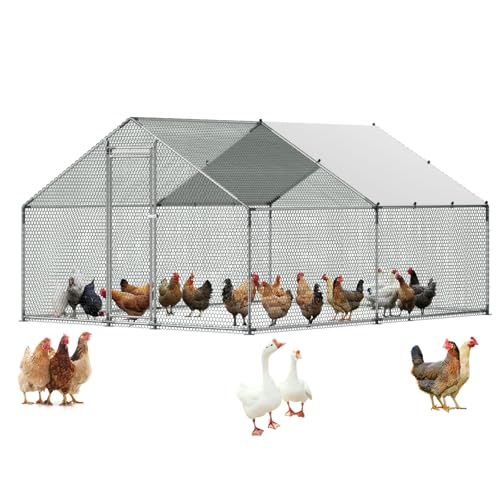
Sturdy Structure & Wire Mesh: Are you ready to create the perfect living space for your treasured animals? Look no further than this amazing chicken house! Crafted from 1" thick galvanized steel pipes, precise welding, sturdy frames, and featuring a protective hexagonal mesh, our chicken coop with run is built to last and provide a safe space and beautiful living experience for your cherished animals.

Check Your Local Zoning and Permit Requirements
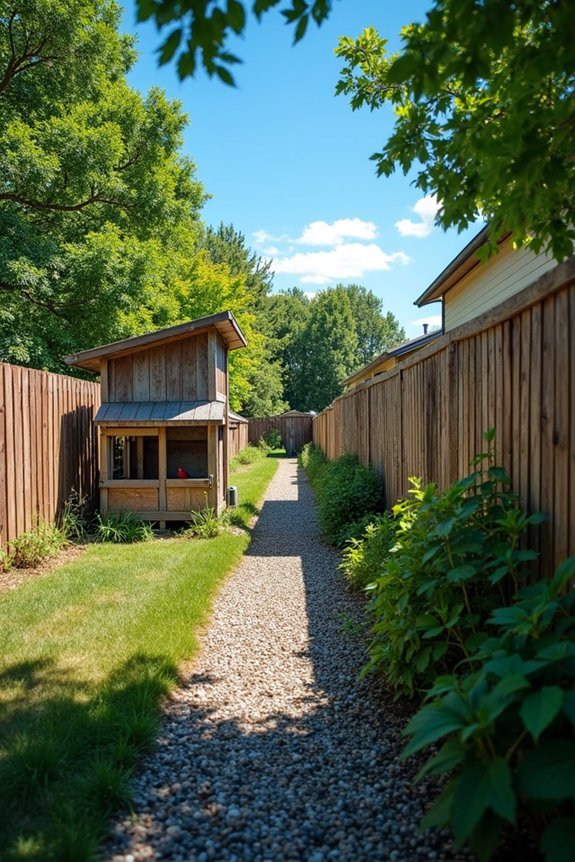
Before you build a coop, contact your local planning officials to understand what’s actually allowed where you live. They can tell you how many chickens you’re permitted to keep and whether you need permits or special approvals for your coop’s location and size. Getting these details straight now saves you time, money, and potential headaches down the road.

Spacious Chicken Coop for 4-6 Hens: Measuring 82.4"L x 25.8"W x 44.1"H, this large chicken coop with run provides plenty of space for 4-6 chickens, ducks, or rabbits to roam, nest, and rest comfortably. Designed to give your backyard flock the extra space they need to stay happy and healthy

Chicken Coop for 3–4 Hens (or 5–6 Bantams): This chicken coop with run comfortably accommodates 3–4 adult hens and can house up to 6 smaller breeds with additional roaming space. Provides a structured environment for laying, resting, and daily activity. Also ideal as a duck coop, rabbit hutch, or small animal shelter for versatile backyard use

HEALTHIER CHICKEN COOP: Dual side ventilation windows allow continuous fresh air circulation, keeping the interior dry and reducing ammonia buildup. The door and windows on both sides slide open for flexible airflow – ideal for housing ducks, rabbits, and other small animals outdoors as well
Contact Local Planning Officials
What’s the first step before you build a chicken coop? You’ll need to contact your local planning and zoning officials. They’re your best resource for understanding what’s allowed on your property.
Here’s what to do:
- Call your Planning and Development office to ask about zoning rules for backyard chickens
- Request a copy of your local chicken ordinance to review specific requirements
- Ask about permit applications needed for your property size and location
- Inquire about setback distances and building placement rules for coops
Your officials can tell you whether you need special approvals or Board of Zoning Appeals hearings. They’ll explain exactly what permits apply to your situation. Getting this information first saves you time, money, and headaches later.
Understand Flock Size Limits
Now that you’ve talked with your planning officials, you’ll need to find out exactly how many chickens you’re allowed to keep.
1. Know Your Local Regulations
Flock size limits for backyard chickens vary widely depending on where you live. Some areas allow just two birds, while others permit up to twenty. Your county or city determines these rules. In Alachua County, for example, six chickens are allowed on single-family properties. Roosters are typically prohibited in residential zones.

Chicken Coop Decor:This vintage metal rooster decor sign design with funny message,bright colors,will be an eye catcher decorations.Please note that any rust or scratch marks is part of the design and not actual rust


Size: 8 x 12 inches, suitable for displaying in any place you want to decorate
2. Check Your Zoning
Your property’s zoning designation directly affects what’s permitted. Different zones (such as A, RE, or RE-1) have different rules. Contact your local Planning and Zoning Administration to confirm your specific zone and its chicken regulations.

Larger Capacity - Plenty of capacity to keep your chicks fed and hydrated throughout the day.

Chicken feeder - An automatic chicken feeder is the best choice for chicken farmers, the chicken feeder can hold up to 16 pounds of feed, this is especially useful for those who have busy schedules and can't always be around to feed their chickens, the automatic chicken feeder is a great way to make sure that your chickens are always well fed.

MODERN BACKYARD CHICKEN FEEDING STATION Create a cleaner and more organized coop with this all-in-one chicken feeder and waterer set. Designed for modern backyard chicken keepers who want both convenience and farmhouse-style aesthetics.
3. Plan Accordingly
Understanding these limits helps you design your setup responsibly and avoid violations.
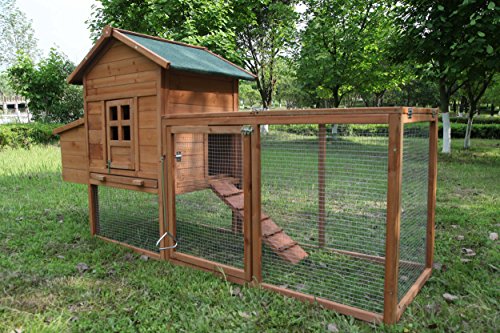
【Specialized and Luxurious Pet House】Chicken Coop Dimensions: 80.7"L x 26"W x 44.5"H, Holds up to 2-4 chickens. 80" chicken coop comes with nesting box, resting box and ramp. Your poultry can lay their eggs in the nesting box. There is sliding door and ramp allows poultry to easily enter the raised housing area. There are timber ridges above the ramp to protects your poultry from slipping back. Come with door you can watch your pets without disturbing.
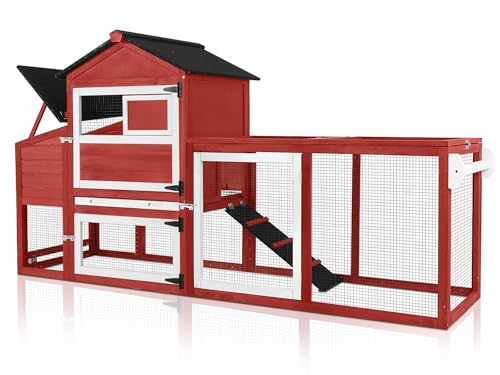
Spacious for 4-6 Hens: Measuring 82.4"L x 25.8"W x 44.1"H, this large chicken coop with run is spacious enough for 4-6 adult chickens to thrive. It’s also ideal for ducks, rabbits, and other small animals—serving as a versatile, well-ventilated home for all your backyard small livestock

Spacious Walk-in Dome Roof Design:The large walk-in dome roof structure offers generous interior space and headroom, allowing easy access for feeding, cleaning, and daily poultry care in outdoor settings.
Secure Required Permits Early
Permits protect your neighborhood, your investment, and your flock’s future. Local zoning laws and ordinances vary significantly by county and city. Getting approval upfront saves you costly mistakes and potential conflicts with neighbors.
Steps to secure permits early:
- Contact your local planning or zoning office immediately
- Obtain your area’s chicken ordinance in writing
- Verify coop-building permits and setback requirements
- Check whether lot size affects permit needs
Your jurisdiction matters tremendously. Alachua County allows backyard chickens on lots under 5 acres but prohibits roosters in residential zones. Bay County and Bradford County regulations differ between unincorporated areas and cities. Don’t assume your neighbor’s rules apply to you. Call code enforcement today. You’ll join a community of responsible backyard chicken keepers while protecting your freedom to keep birds long-term.
How Many Chickens Can You Actually Keep?
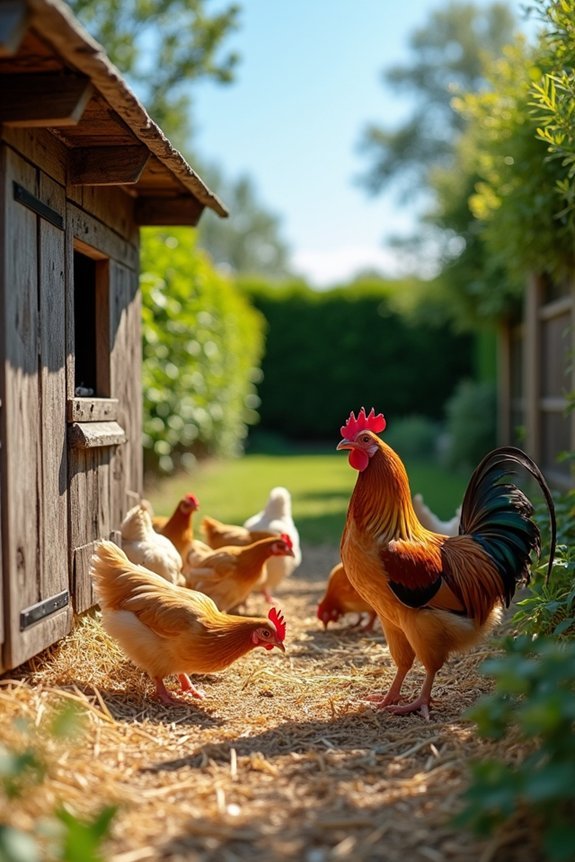
How Many Chickens Can You Actually Keep?
The number of backyard chickens you’re allowed to keep depends entirely on where you live. Different counties enforce different flock size limits, and understanding local regulations helps you stay compliant.
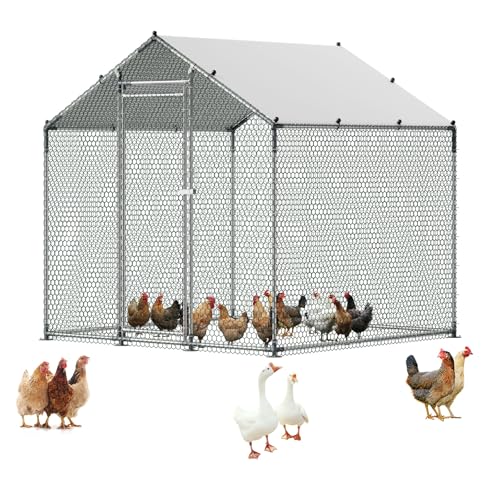
Sturdy Structure & Wire Mesh: Are you ready to create the perfect living space for your treasured animals? Look no further than this amazing chicken house! Crafted from 1" thick galvanized steel pipes, precise welding, sturdy frames, and featuring a protective hexagonal mesh, our chicken coop with run is built to last and provide a safe space and beautiful living experience for your cherished animals.

【Spacious Enclosed Chicken Coop】This metal chicken coop is specially designed for domestic animals to exercise and forage outdoors. Size is 118" L x 118" W x 78.7" H. Large metal chicken coop not only provides a large enough space for about chickens to play and rest, but also can be used as a habitat for small pets such as rabbits, ducks, cats, dogs, goats, birds, etc, as well as as a protective shelter for planting flowers, vegetables and fruits.
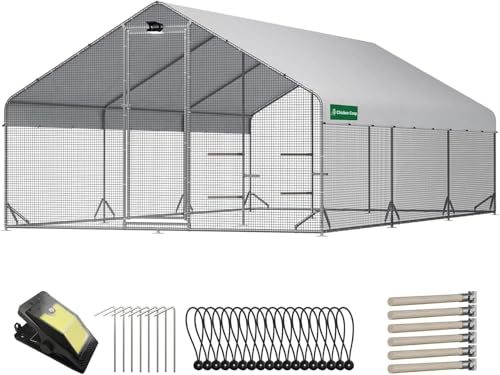
【Large Metal Chicken Coop with Run】 This walk-in poultry cage offers a massive activity area for your chickens, ducks, or rabbits. The metal frame is built for long-term outdoor use, serving as a permanent backyard farm solution.
1. Florida’s Varying Rules
Some Florida counties permit 2 to 6 chickens, while others allow up to 20. Alachua County specifically allows six chickens on properties under 5 acres. Bay County has no statewide limit in unincorporated areas, though cities may differ. Baker County lacks clear guidelines, requiring you to contact local officials directly.
Florida chicken limits vary widely by county, ranging from 2-6 birds to as many as 20, depending on your specific location and local regulations.


【Weatherproof Chicken Coop】Made of solid rain-resistant fir wood with eco-friendly paint, this durable wooden chicken coop ensures waterproof protection and UV resistance. Features a green asphalt sloping roof to prevent water penetration, keeping your poultry dry and comfortable.

For chicken farmer or backyard chicken keepers, men, women and kids who raise hens, love fresh eggs, chick days, farmer life humor; ideal for chicken moms and rooster dads.
2. Check Your Specific Location
Your exact flock size limit depends on zoning designation and property size. Contact your county’s code enforcement office before establishing your backyard chickens. This keeps your setup in compliance with local regulations and protects your investment in raising poultry.

🐓【Yard Art】Decorative rooster animals stakes are adorable and lifelike, brings life and vitality to your garden, wonderful outdoor decorations.


Hilarious Chicken-Themed Gift – Features the witty quote like"Don’t let life ruffle your feathers" and "Rise and Shine" with playful hen graphics. Perfect for backyard farmers, poultry enthusiasts, or anyone needing a laugh!
Rooster Restrictions in Backyard Flocks
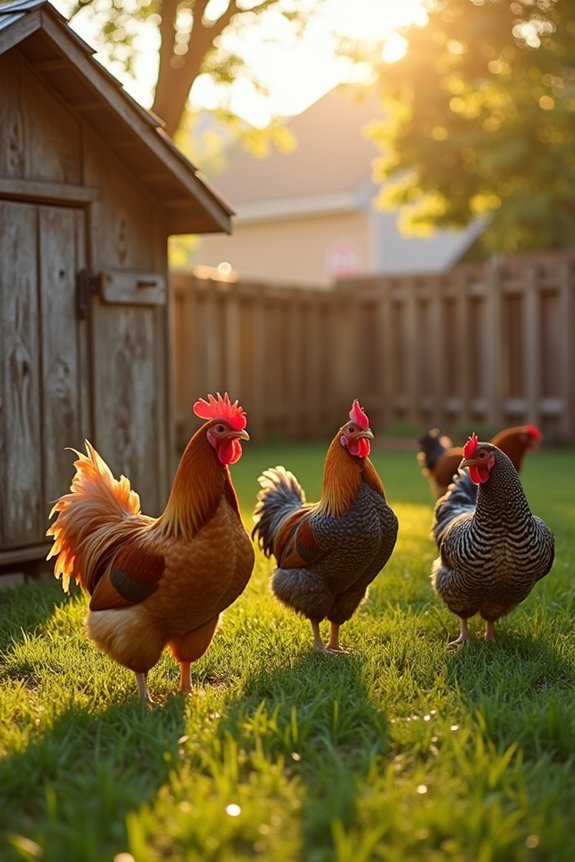
What’s stopping you from keeping a rooster alongside your hens? Many backyard chicken enthusiasts discover that roosters face serious restrictions in residential areas.
1. Noise Regulations
Roosters crow loudly at dawn. Most city ordinances prohibit this noise in neighborhoods.
2. Permit Requirements
You’ll need special permits in some areas. Check your local city ordinances first.
3. Property Line Rules
Roosters must stay far from neighbors’ homes. Distance requirements vary by jurisdiction.
4. HOA Overrides
Homeowner associations can ban roosters. Their rules supersede county approvals.
Before acquiring any rooster, verify your exact city or county ordinances. Contact your local government office directly. Obtaining permits beforehand prevents costly problems later. This responsible approach protects your investment and respects community standards while helping you maintain good standing in your neighborhood.
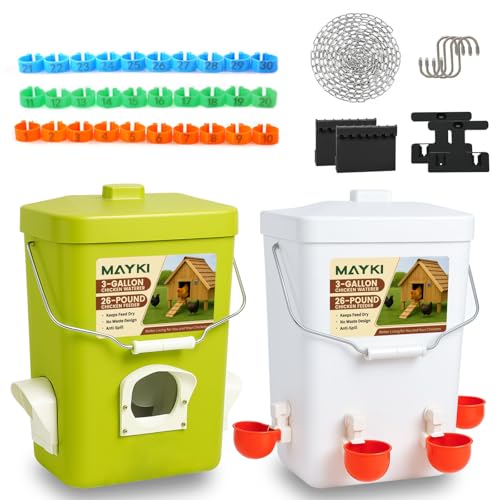
🧠 Smart Feeding, Less Mess – Our no-waste feeder ports and anti-perch cone keep feed clean and dry, preventing contamination and waste.

Safe & Secure for Baby Chicks – This chick feeder and waterer set is designed with anti-tip and anti-drown features, ensuring your chicks stay healthy and protected from day one. Perfect for new flock owners!
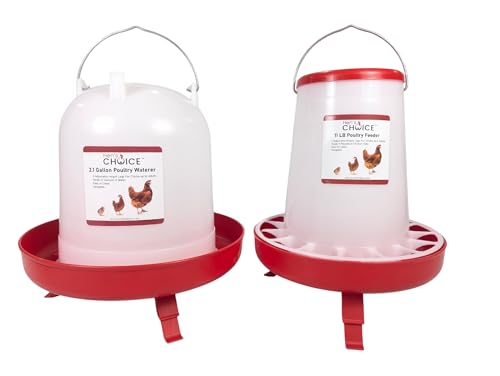
COMPLETE SET: Includes an 11-pound capacity poultry feeder and 2.1-gallon waterer, perfect for maintaining multiple chickens from chicks to adult birds
Space and Housing: Coop and Run Essentials
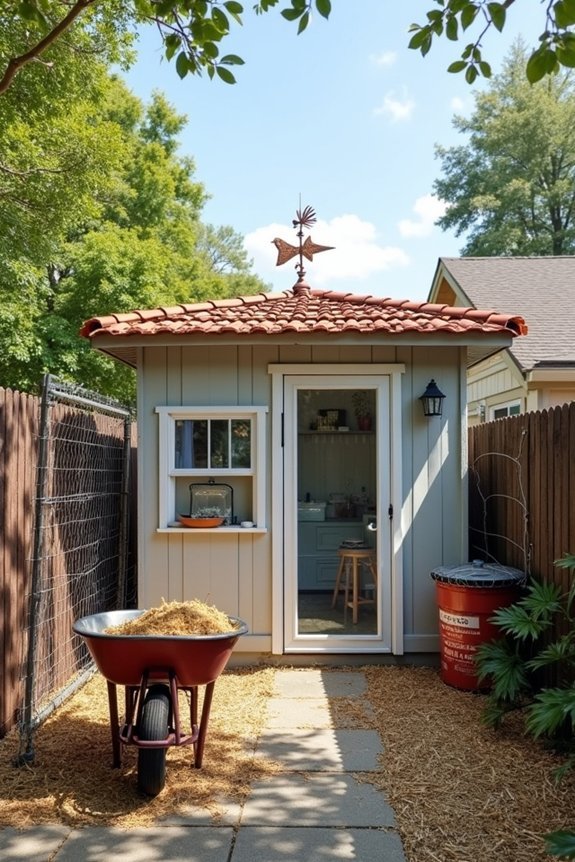
You’ll want to figure out how much space your chickens actually need before you build or buy a coop. Getting the sizing right means your birds stay healthy, happy, and won’t create problems for your neighbors. Let’s look at what makes a good coop and run setup for your backyard flock.

🐣【Durable Steel Structure】Our heavy-duty metal coop (9'W x 13'L x 6.5'H) is made of the high-quality steel frame. A large metal coop for long-term use is the point we keep in mind all the time when we produce this product, so we added additional support columns and triangular supports. The stainless steel coupled with galvanizing technology resistance of the cage.
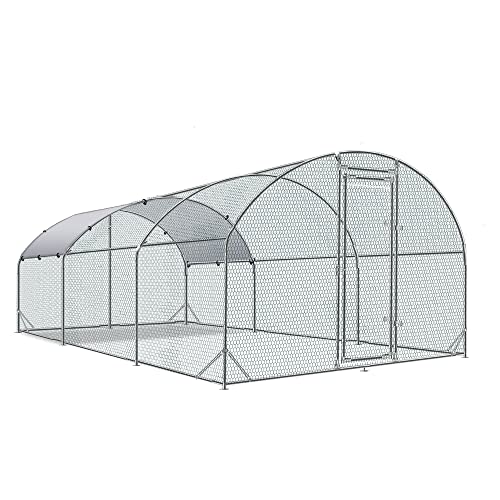
🐣【Durable Steel Structure】Our heavy-duty metal coop (9'W x 19'L x 6.5'H) is made of the high-quality steel frame. A large metal coop for long-term use is the point we keep in mind all the time when we produce this product, so we added additional support columns and triangular supports. The stainless steel coupled with galvanizing technology resistance of the cage.

11-PIECE COMPLETE FARM SET: Includes a detailed rooster, 2 hens, chicks, 12 eggs, egg carton, ramp, fencing, and working basket to create a fully equipped chicken coop scene for immersive, hands-on farm storytelling fun.
Coop Size and Design
How much space do your chickens actually need? Getting this right sets you up for success with backyard chickens.
When planning your chicken coop design, I recommend following these guidelines:
- Provide four square feet of coop space per bird for sleeping and laying
- Add roughly ten square feet of outdoor run space per bird for movement
- Include dedicated laying boxes where hens feel secure and comfortable
- Install roosting perches inside for natural nighttime behavior
Your coop size directly affects your flock’s health and happiness. A cramped space leads to stress, disease, and poor egg production. Adequate coop size prevents many common problems.
Consider whether you’ll free-range your birds, use a fenced run, or try a movable chicken tractor. Each approach affects your space needs differently. Whatever you choose, verify that your setup complies with local zoning requirements and building permits.
Run Space Requirements
Run Space Requirements
Your chickens need room to move around outside their coop. I recommend providing roughly 10 square feet of outdoor run space per bird for adequate movement and exercise. This space allows your backyard chickens to scratch, peck, and forage normally, which keeps them healthier and happier.
Designing Your Outdoor Run
The outdoor run should have secure fencing to prevent escapes and protect against predators. Movable chicken tractors work well for smaller backyard setups; they reduce bedding needs while letting birds access fresh ground. For larger flocks, plan for expanded outdoor enclosure space accordingly. Proper run design leads to less disease, better waste management, and more productive coop space overall.
Choosing Breeds That Fit Your Space and Climate
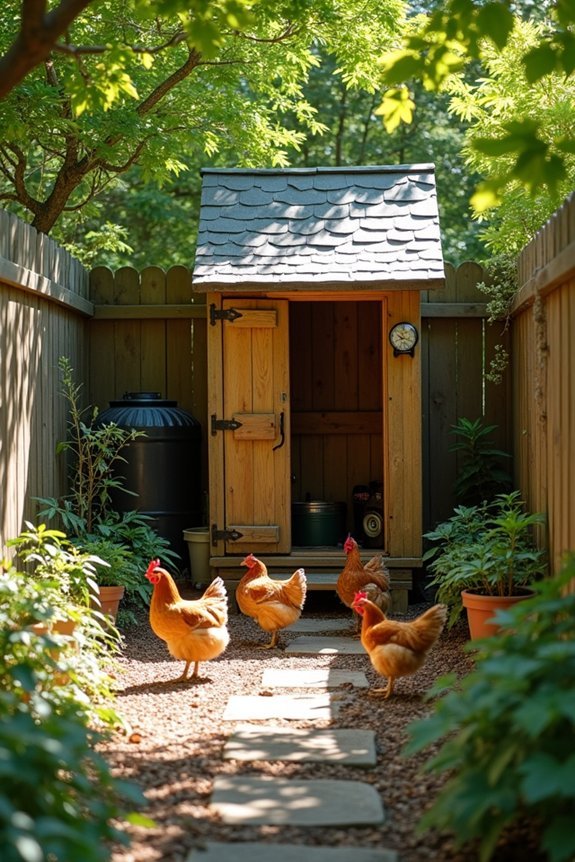
Choosing Breeds That Fit Your Space and Climate
Picking the right chicken breed sets up your entire backyard operation for success. Finding breeds that thrive in your space and climate requires understanding a few key factors.
Heat-Tolerant Breeds for Florida
Rhode Island Reds, Ameraucanas, and Orpingtons handle Florida’s heat well. These breeds balance steady egg production with climate resilience.
Space Considerations
Your available space directly impacts which breeds work best. Smaller, calmer breeds perform better in tight backyards, while larger breeds need more room to move comfortably.
Key Breed Factors
When selecting backyard chickens, focus on these elements:
- Heat tolerance for your regional climate
- Egg production rates matching your needs
- Temperament suited to your space constraints
- Mature size fitting your run dimensions
Making Your Choice
Match your breed to local conditions. This produces healthier birds and consistent egg production year-round. Your investment pays dividends in reliability and long-term satisfaction.
First-Year Costs for Backyard Chickens
When you’re ready to start keeping backyard chickens, you’ll need to budget for both upfront purchases and regular expenses throughout your first year. This guide breaks down what you can expect to spend on initial setup, housing, and the supplies you’ll need to keep your flock healthy and happy. Understanding these costs helps you plan financially and make smart choices about your chicken setup from day one.
Initial Setup Expenses
Initial Setup Costs
I’ll tackle coop funding first, which represents my biggest expense. Here’s what I’m investing in:
- A coop or housing structure ($300 to $1,500+ for premade options)
- Feeders, waterers, and bedding materials ($50 to $150)
- Enclosure hardware and predator-proof fencing ($100 to $300)
- Optional permits and soil systems ($0 to $500)
These backyard chickens require solid infrastructure from day one. A quality coop protects my flock from predators while providing comfortable space. I’m choosing durable materials that will last for years, reducing replacement costs down the line.
Initial setup costs peak in year one, but I’ll recoup expenses through fresh eggs and reduced grocery spending. Planning ahead means I’m building sustainability into my backyard operation from the start.
Coop And Housing Costs
How much should I actually spend on a chicken coop? Your first-year expenses depend on whether you build or buy. I’ll help you understand coop costs for backyard chickens and plan accordingly.
| Setup Type | Cost Range |
|---|---|
| DIY Build | $300 to $600 |
| Prefab Coop | $800 to $2,000 |
| Building Materials | $200 to $800 |
1. Space Requirements
You need 4 square feet per bird inside the coop, plus outdoor run space. Planning ahead saves money and keeps your chickens healthy.
2. Essential Supplies
You’ll purchase laying boxes, feeders, waterers, bedding, and hardware cloth. These items add several hundred dollars to first-year expenses.
3. Ongoing Costs
Feed, grit, oyster shell, and maintenance total several hundred dollars annually. Budgeting for these expenses is necessary for sustainable backyard chicken keeping.
Ongoing Supplies And Maintenance
Once your coop is set up, the real work begins. Keeping your backyard chickens healthy requires consistent care and supplies throughout the year.
You’ll need regularly:
- Feed, roughly a few pounds weekly per bird
- Crushed oyster shell and grit for laying hens
- Bedding for coop cleaning and comfort
- Cleaning supplies for health and sanitation
Your ongoing supplies budget covers food costs, which form your largest expense. Buying feed in bulk will reduce your costs significantly. You’ll also need crushed oyster shell to support egg production and grit to aid digestion.
Regular maintenance keeps your flock thriving. Clean your coop weekly, refresh bedding, and monitor water daily. These simple habits prevent disease and create a healthy environment for your backyard chickens.
Building a Coop Without Breaking the Bank
You’ll often find that building a chicken coop doesn’t require a large initial investment. Smart planning makes budget-friendly coop design achievable for backyard chickens.
1. Start Small and Smart
Begin with 4 to 6 hens. This lets you test your setup before investing more money. You’ll learn what works best.
2. Choose Your Design
Prefabricated coops offer convenience. DIY designs save cash. A movable chicken tractor cuts bedding costs and waste management expenses considerably.
3. Prioritize What Matters
Focus on durable materials and predator-proof features. Build simple, easy-to-clean layouts. These choices reduce long-term maintenance costs substantially.
4. Follow Local Rules
Check zoning codes first. Allocate 4 square feet per chicken indoors and 10 square feet outdoors. This ensures compliance and prevents costly problems later.
Smart choices today mean thriving backyard chickens tomorrow.
Flock Health and Neighbor Relations
What’s the key to keeping your backyard chicken adventure running smoothly? I’ve found that healthy flocks and strong neighbor relations go hand in hand.
Here’s what I focus on:
- Regular coop cleaning to prevent odors and pests that bother neighbors
- Proper manure composting that reduces runoff and disease risks
- Discussing coop location and quietness with neighbors beforehand
- Keeping local ordinances documentation accessible for reference
I make it a point to invite neighbors over. When they understand the benefits of backyard chickens, concerns fade. I also respect rooster restrictions in my area; they’re prohibited in most residential zones for good reason.
Managing my flock’s health protects my community too. Clean conditions mean fewer vector pests spreading disease. By handling neighbor relations thoughtfully and following ordinances, I’ve turned potential conflicts into genuine community support.
Daily Backyard Chicken Care and Feeding
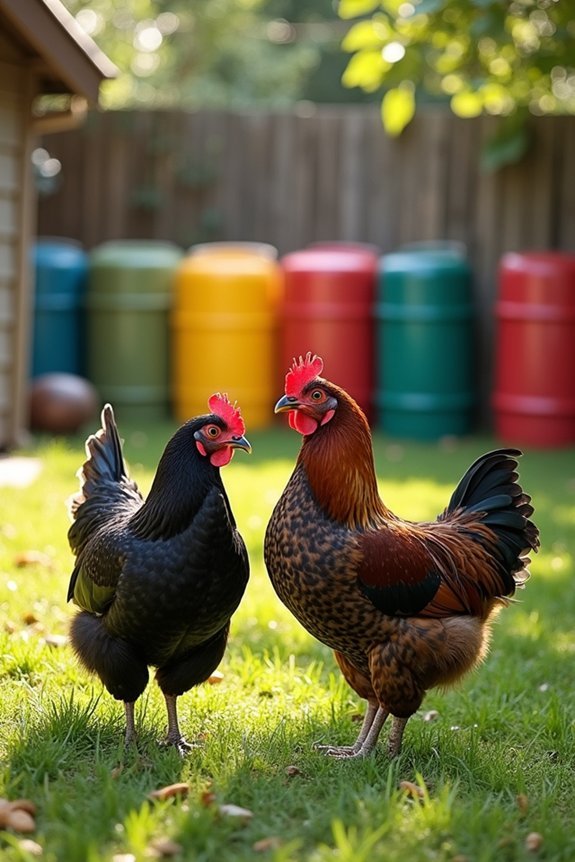
Daily care keeps my backyard chickens healthy and productive.
1. Water and Feeding
I provide fresh water daily and offer a layered diet with crushed oyster shell and grit to aid digestion. A six-pound chicken consumes about three pounds of feed weekly, making backyard chickens economical to maintain.
2. Daily Checks
My daily care routine includes checking for signs of illness or injury. I clean feeders and waterers regularly to prevent disease and contamination.
3. Coop Hygiene
I sanitize perches and nesting boxes often, removing droppings routinely. This prevents odor buildup and parasites while protecting my investment and neighborhood.
4. Lighting for Laying
I maintain 12-14 hours of daylight to sustain egg production. Laying hens start producing eggs around five to six months of age, reaching peak output of roughly six eggs weekly per hen.
Troubleshooting Disease, Predators, and Behavior
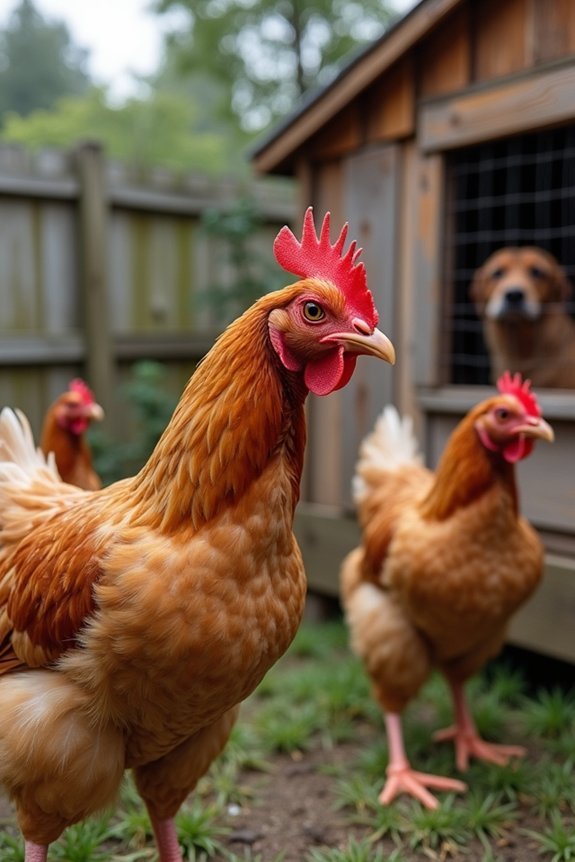
How to Keep Your Backyard Flock Healthy and Safe
Managing disease, predators, and behavior issues requires proactive coop setup and sanitation practices.
1. Disease Prevention
Clean feeders, waterers, and the coop regularly using chlorine-based disinfectant. Proper composting of chicken waste kills pathogens after six months, which reduces disease spread. Consistent sanitation practices form the foundation of flock health.
2. Predator Protection
Secure your coop against predators including raccoons and hawks. Check local laws regarding loose dogs, as they pose a significant threat to backyard chickens. Physical barriers and secure enclosures prevent most predator-related losses.
3. Behavior Management
Chickens thrive on an omnivore diet with adequate space to move and forage. Providing sufficient room and varied feeding opportunities reduces stress-related behavioral problems such as feather pecking and aggression.
4. Legal Compliance
Verify local permits and ordinances about roosters before adding them to your flock. Many residential zones prohibit roosters due to noise concerns. Understanding these regulations prevents conflicts with neighbors and potential violations.
Free-Range or Confined: What Fits Your Yard?
Free-Range or Confined: What Fits Your Yard?
Since you’re deciding between free-range and confined setups, you’ll want to match your backyard chickens’ living arrangement to your local rules and available space.
1. Free-Range Options
Free-range approaches let chickens access outdoor areas. However, your local rules may require a coop enclosure and runs to be enclosed. Some jurisdictions permit limited free ranging only within fenced spaces.
2. Confined Setups
Confined setups typically include a coop and run. Plan for about four square feet of coop space per bird plus around 10 square feet of outdoor space per bird.
3. Practical Alternatives
Moveable chicken tractors work well for confined yards. They allow you to relocate chickens to fresh ground periodically and distribute manure more easily.
4. Local Considerations
Neighbor and zoning rules often influence whether free-range is allowed. Check permit requirements and enclosure standards in your area.
Sourcing Chicks vs. Buying Pullets: Which Should You Choose?
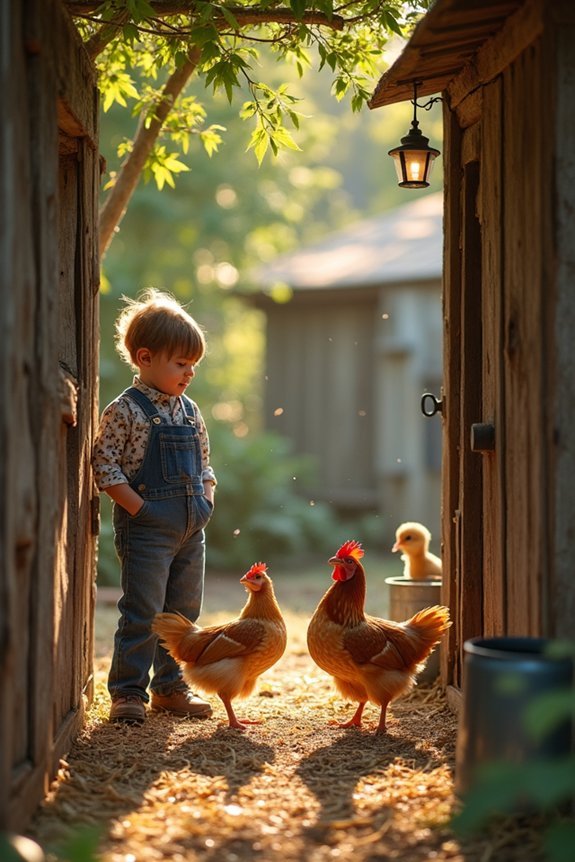
Once you’ve settled on your coop setup, you’ll face another decision: starting with day-old chicks or buying older pullets.
1. Cost vs. Timeline
Day-old chicks cost less upfront. Pullets, which are 16 to 20 weeks old, cost more but get you eggs sooner. Choose chicks if you’re patient and budget-conscious. Pick pullets if you want quicker results.
2. Care Requirements
Sourcing chicks demands a brooder setup with heat lamps for 6 to 8 weeks. Pullets need less intensive care but still require proper housing immediately.
3. Health Considerations
- Chicks face higher mortality risks for beginners
- Pullets reduce brooding complications
- Both need vaccinated birds from reputable sources
- Always verify health guarantees from your supplier
4. Finding Your Flock
Partner with local hatcheries or farms for healthy backyard chickens. They’ll guide you toward the right choice for your situation.