
1) Start by identifying your noise sources. Map where sound enters through windows, doors, walls, or floors, and note when noise bothers you most.
2) Choose your approach: soundproofing blocks external noise with dense materials; absorption reduces echo inside. Use both for best results.
3) Quick wins include sealing air gaps, upgrading doors, and adding acoustic panels to 15–25% of wall area.
4) Layer soft textiles, rugs, and strategic sealant applications. This cost-effective, renter-friendly strategy saves money while improving sleep quality. There’s more to discover about optimizing your specific situation.
Soundproofing vs. Absorption: Choose the Right Approach
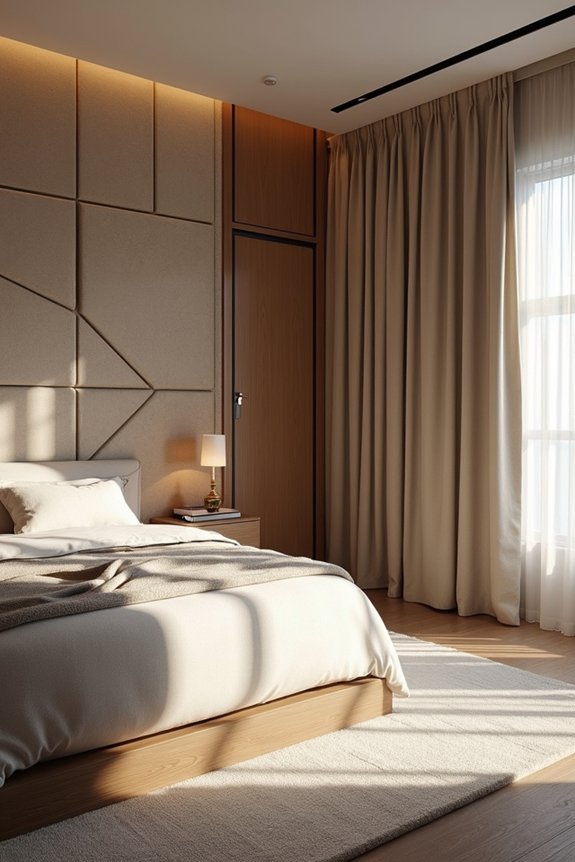
Ever wondered why some bedrooms stay quiet while others let every noise through? I’ll help you understand the two main approaches: soundproofing and absorption.
Ever wondered why some bedrooms stay quiet while others let every noise through? Learn the two main approaches: soundproofing and absorption.
1. Soundproofing Blocks Noise
Soundproofing uses dense, heavy materials to reduce transmission loss, the amount of noise passing through walls. Think of it like building a fortress. You’ll use mass, decoupling layers, and elastic materials. This method targets external and internal noise sources. True structural soundproofing achieves 15–20 dB improvements, meaning measurable noise reduction you’ll actually notice.
2. Absorption Reduces Echo
Absorption works differently. Porous materials soak up sound bouncing inside your room, lowering reverberation time. It won’t block outside noise significantly. Instead, it improves your bedroom’s interior acoustics.
3. Combine Both Approaches
I recommend using both methods together. Add soundproofing to walls for noise blocking, then cover 15–25% of wall area with absorption panels. You’ll save money and energy while creating your peaceful sanctuary.
Identify Your Noise Sources Before You Buy Materials
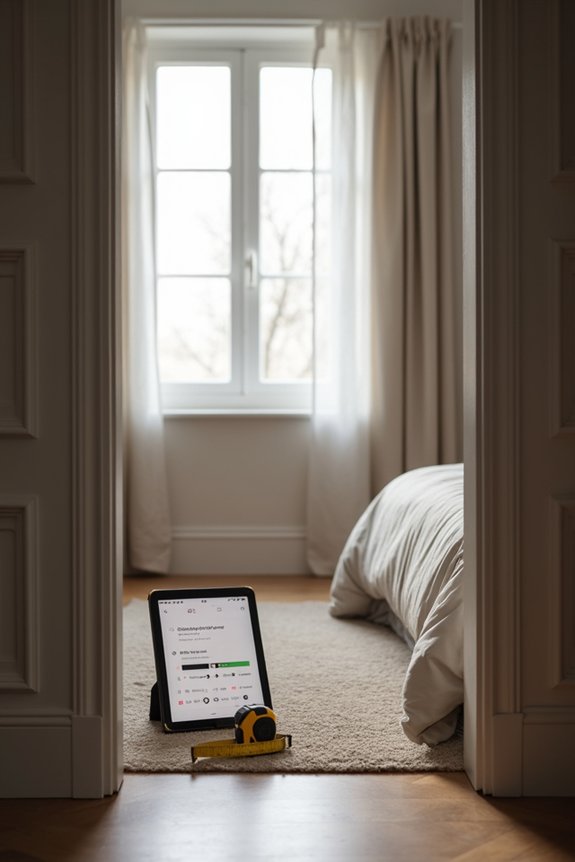
1. Identify Your Noise Sources Before You Buy Materials
Understanding when noise bothers you most helps you pinpoint real problems. Traffic might annoy you during rush hours. Neighbors’ footsteps might disturb you at night. That’s because you’re identifying your actual noise sources; the first critical step before spending money on soundproofing.
2. Map Your Leakage Paths
Walk around your bedroom and listen carefully. Does airborne noise enter through windows, doors, or walls? Does impact noise travel through floors or ceilings? These leakage paths show where sound escapes. Write down each source you discover, and note the time it occurs.
3. Prioritize High-Energy Sources
Focus on the loudest, most frequent noise sources first. Treating these saves you money and effort immediately.
Renter-Friendly vs. Permanent Soundproofing Solutions

Once you’ve mapped your noise sources, you’ll need to decide between two main approaches: renter-friendly solutions or permanent soundproofing.
| Approach | Methods | Timeline | Cost |
|---|---|---|---|
| Renter-friendly | Acoustic panels, curtains, door seals, rugs | Days | Lower |
| Permanent | Decoupling walls, multiple drywall layers, mineral wool | Weeks | Higher |
1. Renter-Friendly Solutions
Non-permanent, reversible measures work well as a starting point. Acoustic panels, heavy curtains, window inserts, and rugs improve inside-room acoustics without major alterations. They’re affordable and quick to install.
2. Permanent Soundproofing
Decoupling walls with resilient channels plus multiple drywall layers and sound barriers provide true transmission reduction. This approach costs significantly more and requires weeks of work.
3. Choose Your Path
Consider your lease length and budget. Renters benefit from temporary damping; homeowners gain from structural soundproofing investments.
Quick Wins: Seal Air Gaps and Upgrade Your Door
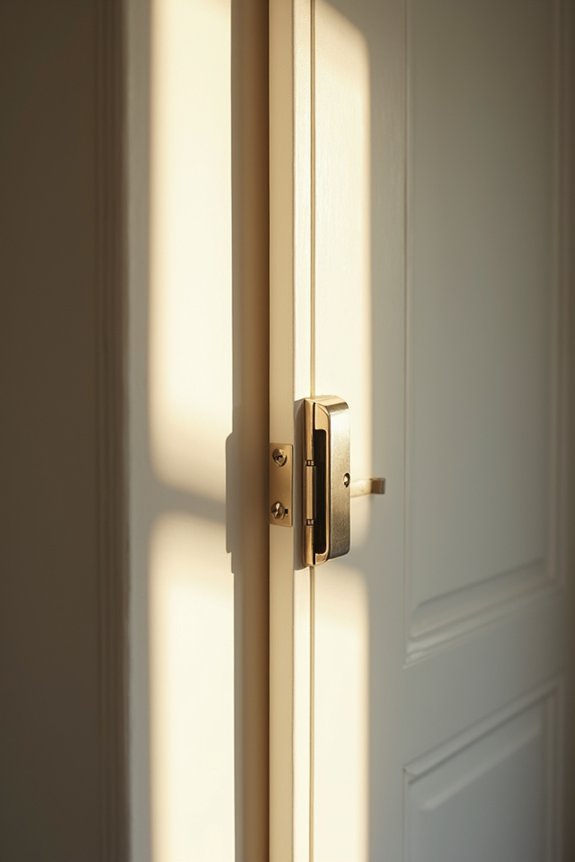
Quick Wins: Seal Air Gaps and Upgrade Your Door
Where’s that annoying noise coming from? Often, it’s sneaking through cracks around your bedroom door. Here’s how soundproofing starts with simple fixes.
1. Seal Air Gaps
Air gaps let sound travel freely into your room. Weatherstripping and acoustic sealant block these paths. Apply weatherstripping along all door frame sides to stop noise without blocking door operation. Caulking around frame edges and utility holes prevents flanking paths where sound escapes.
2. Upgrade Your Door
Your current door might be hollow. Solid core or insulated doors reduce noise significantly. Add door sweeps to eliminate bottom gaps. Heavy curtains or acoustic blinds provide extra dampening inside.
These door upgrades save money and energy while creating the peaceful bedroom environment you want.
Install Acoustic Panels in High-Impact Zones
Strategic panel placement makes a real difference in bedroom acoustics. You’ll want to identify which walls absorb sound best, decide how much coverage you actually need, and then install panels securely so they stay put.
Start by assessing your room’s sound behavior. Listen for where noise seems to bounce around most; these are your high-impact zones. Corner areas, parallel walls, and spaces behind your bed typically benefit most from acoustic treatment. Hard surfaces like drywall and wood reflect sound waves, while soft materials absorb them. Test different wall sections to see which ones need the most help.
Next, calculate your coverage needs. You don’t need to cover every inch of wall space. Generally, treating 30 to 50 percent of your room’s surface area produces noticeable results. Focus on the largest open wall spaces first, then add panels to corners and problem areas. This approach balances effectiveness with aesthetics.
For installation, use appropriate mounting hardware based on your wall type. Adhesive strips work on clean, flat surfaces; wall anchors provide more security for heavier panels; and furring strips allow for flexible placement. Make sure panels sit flush against walls without gaps, as air pockets reduce their effectiveness. Check that everything is level and stable before considering the job complete.
Your bedroom’s sound quality will improve once the panels are properly positioned and secured.
Identifying Priority Wall Zones
How do you know where to place acoustic panels for the biggest impact?
1. Locate Reflection Points
Sound bounces most predictably in specific zones. Behind your seating area, side walls near where you sit, and the wall behind your headboard create the strongest reflection points. These zones should receive acoustic panels first.
2. Focus on High-Impact Areas
Windows and hard surfaces reflect sound intensely. Placing acoustic panels strategically on these materials reduces early reflections significantly. These areas deliver the most noticeable acoustic improvements.
3. Plan Your Coverage
Target 15-25% of your wall surface. For a room with 32 m² of walls, aim for 5-8 m² of absorption. This coverage level balances cost with real acoustic performance.
Panel Placement and Coverage
Panel Placement and Coverage
Now that you’ve identified where sound bounces most in your bedroom, it’s time to install panels in those high-impact zones.
1. Strategic Panel Placement
Focus on walls at ear level, roughly 1.2 to 1.8 meters high. This height targets early reflections effectively. Position panels behind where you sit or sleep, and along side walls near windows.
2. Calculate Your Coverage
For a 20 m² bedroom, aim for 5–8 m² of absorption area. That’s about 20% of your wall surface. Felt sets (0.81 m² each) and wood panels (0.72 m² each) both work well and cost similarly.
3. Distribute Panels Evenly
Never rely on single panels. Spread multiple panels across key surfaces for balanced reverberation reduction and consistent sound quality throughout your space.
Securing Panels Effectively
Securing Panels Effectively
Once you’ve positioned your panels in high-impact zones, securing them properly keeps them in place and maintains their performance over time. I recommend using a combination of mounting hardware options. Dowels work well for drywall, while brackets suit harder surfaces. This approach keeps your walls damage-free when you eventually remove panels.
Adhesion-Free Installation Benefits
Adhesion-free installation protects your walls and saves money on repairs. You’ll avoid residue, stains, and patching costs. This method lets you reposition panels as your room’s acoustics change.
Installation at Ear Level
Mount panels at 1.2–1.8 meters high for maximum impact. This height captures reflections from seated listening positions. Proper securing at this level maintains stability and delivers sound absorption performance throughout your bedroom.
Add Wall Mass Without Removing Drywall
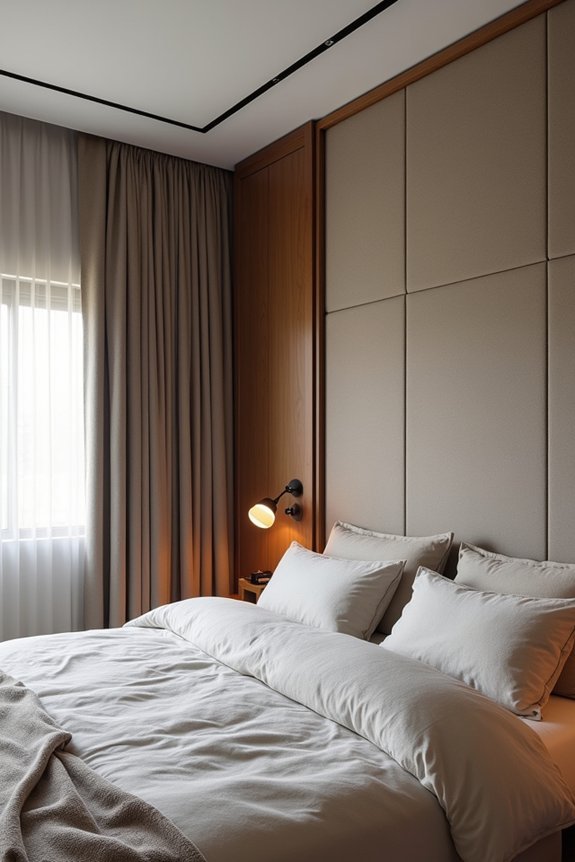
If you’re concerned about tearing out your existing drywall, you have options that avoid demolition.
1. Install a Secondary Mass Layer
Add Mass Loaded Vinyl (MLV) or SheetBlok directly over your current drywall. This creates a heavier barrier that blocks sound without requiring removal of existing materials. You’ll reduce both costs and construction waste.
2. Use Acoustic Isolation
Install resilient channels between studs and your new mass layer. This decouples surfaces, which prevents sound from traveling through the wall assembly.
3. Seal Everything
Pay attention to all edges, seams, and penetrations. Use acoustical caulk to seal these areas completely. Air gaps will bypass your added mass and reduce the effectiveness of your soundproofing.
4. Maintain Airspace
Keep at least one inch between layers. Stagger joints to eliminate weak points in your wall system.
Decouple Your Bed and Furniture to Stop Vibration
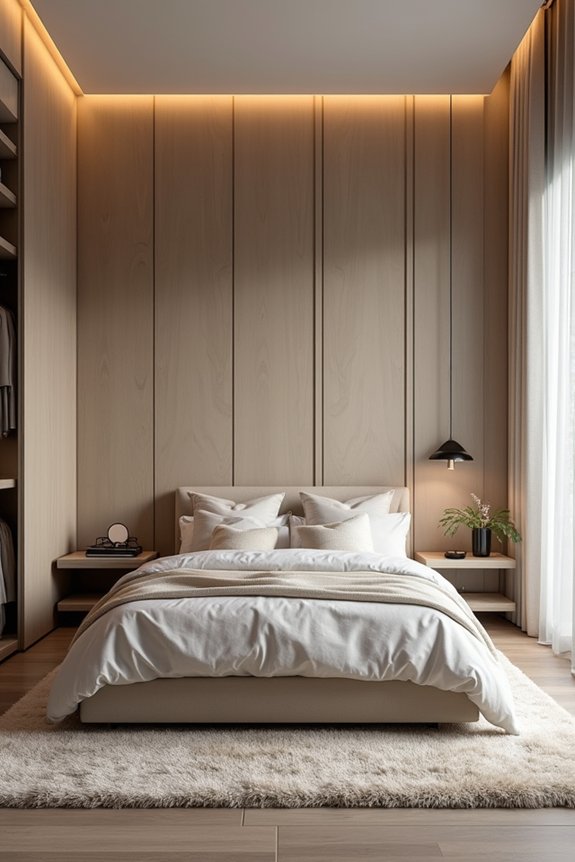
I’ll show you how to stop vibrations from traveling through your bed and furniture into your bedroom walls. By isolating these items from direct contact with your floor and walls, you’ll reduce the noise and movement that disrupts your sleep. Let’s explore the specific techniques and materials that make this decoupling strategy work effectively.
Isolate Bed Frame Foundation
Why does your bed transmit vibrations throughout your room? Direct contact between your bed frame and floors, walls, or adjacent furniture creates rigid pathways for sound and motion transfer. Decoupling your bed frame foundation breaks these connections, significantly reducing vibration transmission.
To isolate your bed frame:
- Install rubber or neoprene spacers beneath each bed leg to absorb vibrations
- Use anti-vibration pads under the frame to dampen structure-borne noise
- Leave small clearance gaps between your bed and walls or floor for soundproofing
- Consider a floating platform subframe to minimize low-frequency coupling
Combine these isolation methods with dense fiber insulation underneath. You’ll notice reduced creaking and quieter sleep. This approach protects your investment while creating the peaceful bedroom environment you need.
Decouple Furniture From Floors
Decouple Furniture From Floors
Your bed and furniture vibrate directly into your floor, walls, and building structure when they make contact. Understanding how decoupling stops this problem helps you create quieter living spaces.
1. Use Isolation Pads
Place rubber or cork isolation pads under all furniture feet. These pads break the direct contact path between heavy objects and your floor, reducing vibration transmission considerably. This practical approach saves money while improving sound control.
2. Create Small Gaps
Elevate furniture slightly away from walls. Small gaps prevent wall-flex and flanking sound paths that carry impact noise throughout your home. You’ll notice quieter rooms when you separate pieces from wall surfaces.
3. Avoid Rigid Attachments
Don’t bolt headboards or dressers to studs. Use removable or anti-vibration mounts instead. This flexibility lets vibrations dissipate rather than travel through your building structure.
Combining decoupling with damping materials produces stronger results. The layers work together to interrupt vibration pathways at multiple points, giving you better control over noise transmission in your home.
Vibration Dampening Material Options
How do you stop vibrations once they’ve started? You’ll need the right materials. Strategic dampening interrupts vibration energy before it travels through your room.
Isolation feet – These rubber or spring-based supports sit under furniture legs, breaking the direct contact path to your floor.
Mass-loaded vinyl – This dense material absorbs vibration energy effectively. Place it beneath bedding and heavy furniture for maximum impact.
Anti-vibration pads – These resilient cushions go under beds and dressers, disrupting coupling with flooring.
Damping compounds – Products like Green Glue between wall layers reduce transmitted vibration significantly.
Combining these materials creates layers of protection. You’re building barriers that catch vibrations before they spread. This approach saves money over time while reducing environmental waste from unnecessary replacements.
Use Soft Textiles and Rugs to Absorb Sound

Since sound bounces around hard surfaces, soft textiles and rugs are one of the easiest ways to quiet your bedroom.
1. How Soft Textiles Work
Thick fabrics absorb sound by adding mass and creating surface area that dampens reflections. Heavy curtains, plush upholstery, and cotton drapes enhance sound absorption while minimizing echo. Layering multiple soft surfaces improves room acoustics significantly.
2. Strategic Rug Placement
Dense rugs with underlays reduce footstep and furniture noise transmission, creating a quieter sleep environment. Place rugs under your bed and seating areas for maximum impact.
3. Coverage Guidelines
Aim for soft textiles covering 15–25% of your wall-to-wall area. This practical, rental-friendly approach complements structural soundproofing without permanent alterations, saving money while improving comfort.
Fill Remaining Weak Spots With Strategic Sealing
Even with soft furnishings in place, sound still sneaks through tiny gaps and cracks you might not notice. Finding these weak spots and sealing them properly prevents sound from escaping or entering your bedroom. Strategic sealing serves as your final defense against noise that textiles alone cannot stop.
Identify Air Leakage Points
Where’s all that noise coming from? Sound sneaks through tiny gaps you’ve probably never noticed. I can help you find these hidden culprits.
Sound travels through air leakage points like water finding cracks. Here’s where you should look:
- Around door frames and window edges
- Electrical outlets and light switches
- Wall penetrations from pipes and wiring
- Joints where walls meet ceilings or floors
I use acoustical sealant to seal these gaps effectively. It’s designed specifically for soundproofing, unlike regular caulk. I’ll also install weatherstripping on doors to block noise paths.
After sealing everything, I recheck by listening for whistling sounds or feeling drafts. Any remaining weak spots get another application. This simple step prevents sound from traveling between rooms, saving you money on additional materials later.
Apply Acoustic Sealant Properly
How do you stop sound from sneaking through tiny cracks? You seal them. Acoustic sealant fills gaps where air leaks escape and sound travels through. I apply this elastic material to all perimeter edges, seams, and corners in my bedroom walls.
2. Sealing Strategy
| Area | Action |
|---|---|
| Drywall seams | Fill with sealant |
| Electrical outlets | Seal penetrations |
| Wall corners | Apply continuous barrier |
| Switch boxes | Block sound paths |
3. Why It Matters
The sealant cures into a durable, flexible barrier that accommodates wall movement while maintaining my sound barrier’s integrity. Without proper sealing, air leaks undermine my entire soundproofing system. This strategic approach saves money and energy over time.
Seal Penetrations And Gaps
Once you’ve sealed the major seams and corners, sound still finds its way through tiny openings you might have missed. These penetrations and gaps are common culprits that undermine your soundproofing efforts.
Target these weak spots with precision:
- Seal outlets, switches, and wiring holes with StopGap acoustical sealant
- Apply weatherstripping or door sweeps to close gaps at door bottoms and sides
- Caulk window seams and trim joints with acoustical caulk
- Fill gaps between wall panels and crown moldings with continuous sealant beads
Air leaks around these areas allow sound and energy loss. After sealing everything, recheck for visible gaps you might have overlooked. Test your sound levels to confirm improvements. You’ll notice a noticeable drop in noise transmission through treated areas, protecting your budget and comfort.
Test Your Results and Measure Sound Reduction
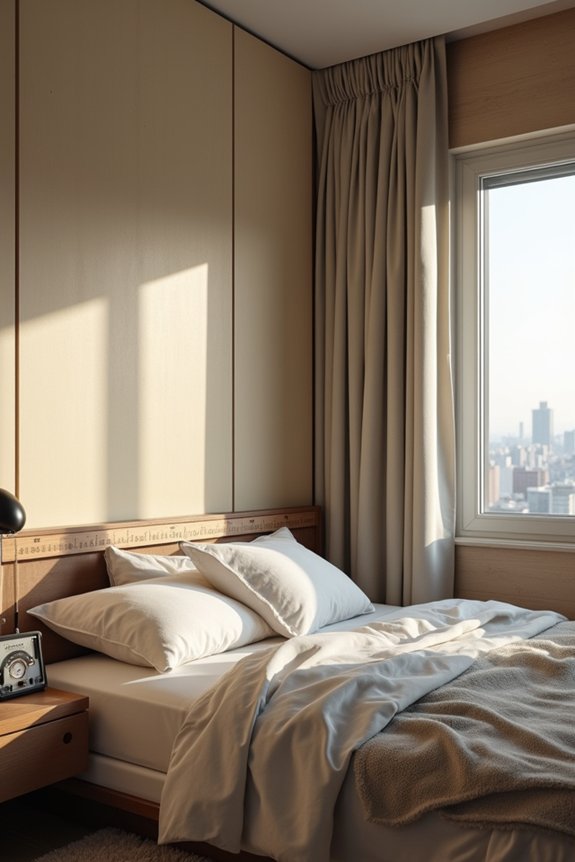
After you’ve installed soundproofing materials, the real question becomes: did it actually work?
1. Measure Your STC Rating
Use Sound Transmission Class measurements before and after your improvements. Test with a consistent noise source, like a speaker at fixed volume. Record sound levels outside your room to calculate the reduction. You’re aiming for roughly 15 to 20 dB improvement with structural decoupling and mass additions.
2. Check Airtightness
Verify airtight performance by checking doors, windows, and penetrations for leaks. A simple candle or flashlight reveals drafts that compromise your soundproofing investment.
3. Track Performance Over Time
Re-measure during different times and occupancy levels. This identifies flanking paths, or sneaky noise routes, so you can adjust seals and caulking accordingly.
When to Hire a Soundproofing Professional?
Should you tackle soundproofing yourself, or bring in an expert? I’d recommend calling a professional if you want results closer to 100% isolation. Here’s why it matters:
- They assess both airborne and impact noise sources accurately
- They design continuous barrier assemblies and minimize flanking paths
- They handle complex steps like decoupling walls and mounting resilient channels
- They optimize door, window, and penetration sealing to prevent sound leaks
Professionals understand installation techniques that DIY projects often miss. They’ll align your expectations with your budget. Whether you need full structural solutions or damping-focused alternatives, they’ll guide you toward achievable outcomes while respecting local building codes. This expertise saves money long-term and makes your investment actually work.