
Most bedroom painting costs between $350 and $1,600, depending on room size and wall condition. Labor typically runs $2 to $6 per square foot, your biggest expense. A small 100 to 150 sq ft bedroom might cost $350 to $700, while larger master bedrooms exceed $1,600. Materials like quality paint and primer add $200 to $400. Hidden costs include textured walls, ceiling height, and repairs. Getting multiple itemized quotes helps you compare labor, materials, and prep work accurately. Understanding what drives these prices reveals significant savings opportunities.
How Much Does It Cost to Paint a Bedroom in 2025?
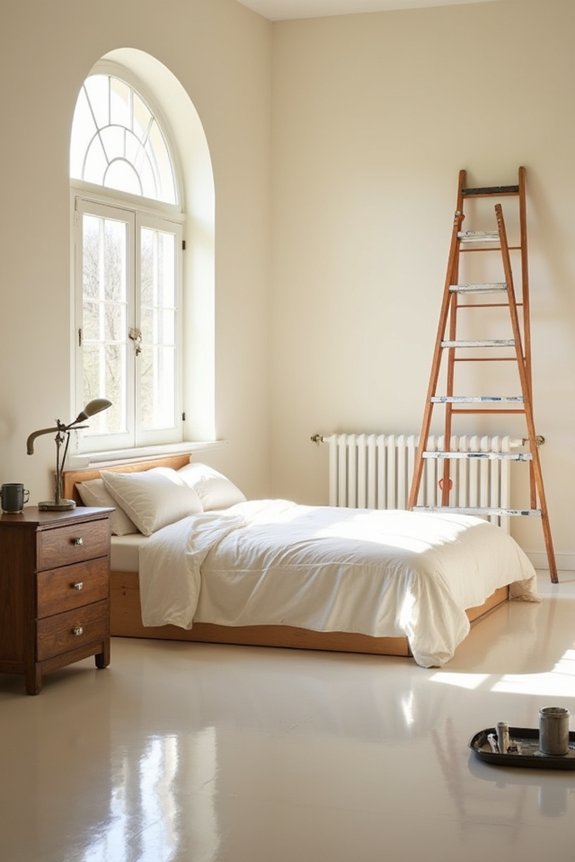
When you’re ready to refresh your bedroom with a fresh coat of paint, you’re probably wondering: what’ll this actually cost me?
1. Base Price Range
I’d expect to pay $350 to $1,600+ for overall interior painting. Your bedroom size matters most. Smaller rooms cost less, while larger spaces or vaulted ceilings push prices higher.
2. Labor and Square Footage
Labor typically runs $2 to $6 per square foot; that’s your biggest expense. For a 129 sq ft bedroom, I’d budget around $112 to $152 just for labor.
3. What’s Included
Most quotes cover prep work, two coats of paint, masking, and cleanup. You might add primer costs if needed.
4. Hidden Costs
Watch for vaulted ceilings, textured walls, or extensive trim. These hidden costs easily exceed your base budget.
What Determines Your Final Bedroom Painting Quote?
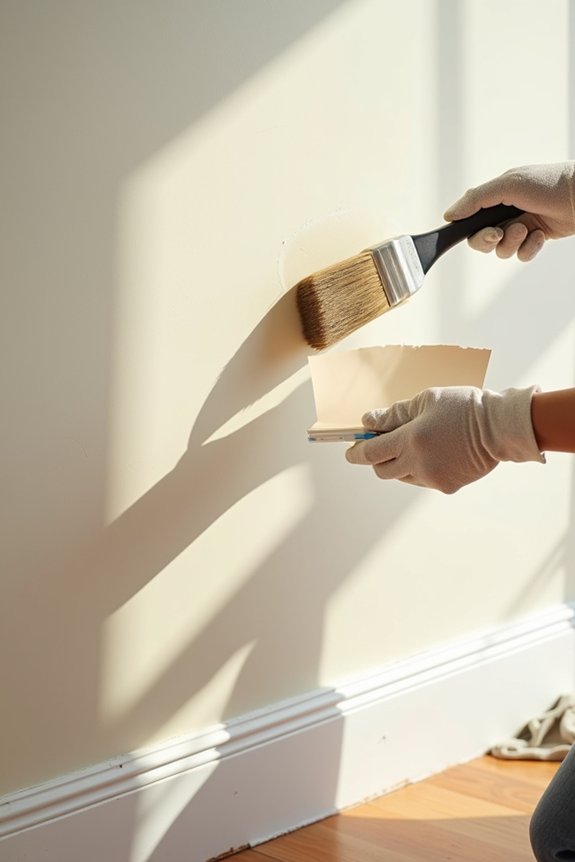
Your final painting quote depends on three main factors that I’ll break down for you. Your bedroom’s size, layout, and current wall condition shape the labor costs, which typically make up 60–90% of the total price. The paint quality you choose and any extras like ceiling work or trim painting also significantly affect what you’ll pay.
Room Size and Layout
How does a bedroom’s square footage shape your painting estimate?
Your room’s dimensions directly impact your total cost. Painters typically charge by the square foot, so larger spaces naturally cost more. Beyond pure size, layout matters too. Awkward shapes, alcoves, and architectural features add complexity to the project.
| Room Size | Square Footage | Typical Cost Range |
|---|---|---|
| Small | 100–200 sq ft | $350–$900 |
| Medium | 200–300 sq ft | $600–$1,400 |
| Large | 300+ sq ft | $900–$1,600+ |
| Ceiling Height Impact | Standard vs. Vaulted | +$150–$500 |
| Complex Layout | Multiple angles/alcoves | +$200–$400 |
Ceiling height substantially affects labor costs and paint quality requirements. Vaulted ceilings demand extra equipment and time. Wall condition, prep work, and finish type also influence your final quote considerably.
Surface Condition Factors
Surface Condition Factors
The condition of your bedroom’s walls significantly affects your final cost. Surface preparation has a direct impact on your quote.
1. Wall Damage and Repairs
Patching and repairs require substantial labor time. Damaged or patchy surfaces need fixing before painting begins. This work can noticeably increase costs.
2. Textured Walls
Textured walls require more paint and prep work. They’re difficult to cover evenly, which raises both material and labor expenses.
3. Primer Considerations
Your primer choice matters considerably. Unpainted or stained surfaces need priming; this typically takes roughly one hour per 400 square feet. Adding primer to your quote substantially affects the final price.
4. Ceiling Height
Higher ceilings and vaulted spaces increase setup time and materials needed. This directly impacts your overall price.
Paint Quality and Finishes
Paint Quality and Finishes
Once you’ve addressed wall damage and prepared your surfaces, it’s time to pick your paint. That choice significantly shapes your final bill.
1. Paint Quality Matters
Higher-quality latex paint costs more upfront but lasts longer. You’ll touch up less frequently, which saves money over time.
2. Finish Selection
Eggshell or satin finishes work well for bedrooms. Both resist moisture better than flat paint, protecting your walls from humidity and accidents.
3. Primer and Coats
Your primer choice affects coverage. Most bedrooms need two coats of paint plus primer for even color. Stain-blocking primers cost extra but prevent problems.
4. Hidden Expenses
Color changes require additional coats. Textured surfaces demand more paint. Budget accordingly for unexpected needs.
Quality finishes provide durability and value, making them solid investments for your bedroom.
Labor vs. Materials: Where Your Budget Actually Goes
When you’re budgeting for bedroom painting, labor costs dominate your invoice; they typically account for 60% to 90% of the total price. The remaining budget covers materials like paint, primer, and supplies, with expenses varying based on quality and quantity needed. Understanding where your money goes helps you make informed decisions about where to invest for quality results.
Labor’s Dominant Cost Share
Why does one bedroom painting estimate cost so much more than another? The answer lies in labor. I’ve found that labor typically represents 60 to 90 percent of your total painting cost, while materials make up the rest. This means where painters spend their time directly impacts your final bill.
2. Understanding Your Labor Share
Prep work, including moving furniture, protecting surfaces, scraping, sanding, patching, and priming, substantially increases labor hours. A bedroom requiring extensive prep work costs more than one needing minimal preparation. When you request a detailed quote itemizing labor and materials separately, you’ll see exactly where your money goes. This transparency helps you understand fair pricing and make confident decisions about your painting project.
Material Expenses Breakdown
While labor dominates your total cost, materials still represent a significant portion of your bedroom painting budget.
1. Paint and Primers
Standard quality paint costs $20 to $70 per gallon. Primers add extra expense but prevent staining and reduce the number of coats needed. Multiple coats increase material costs, particularly on textured walls that require more paint coverage.
2. Supplies Beyond Paint
Brushes, rollers, tapes, and drop cloths add several hundred dollars depending on room size and quality. These supplies protect your space and help you achieve professional results.
3. Hidden Material Costs
Repairs, patching, and protective coverings often catch homeowners off guard. For a 129 sq ft bedroom, supplies layer onto labor expenses in meaningful ways. Selecting materials strategically will help stretch your budget while keeping quality finishes intact.
Room Size and Ceiling Height Impact on Price
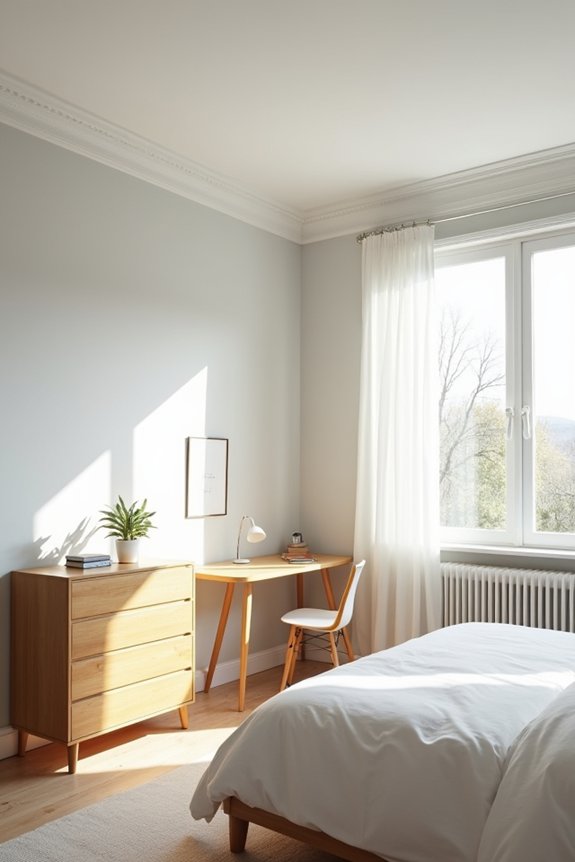
How much does your bedroom’s size really affect the painting bill?
1. Room Size Matters Most
Your bedroom’s square footage directly drives the total cost. Smaller rooms (100 to 200 sq ft) need less paint quantity and labor, averaging $400 to $800. Larger bedrooms (300+ sq ft) require more materials and time, pushing costs to $900 to $1,600 or higher. Cost per square foot provides an accurate budget guide.
2. Ceiling Height Increases Expenses
Higher ceilings expand your total wall area significantly. They demand ladders or scaffolding, raising labor cost considerably. Standard 8-foot ceilings cost less than 10-foot ones.
3. Additional Factors
Trim painting and prep work add to your total cost. Include ceiling painting if needed. Smart planning reduces waste and saves money.
Wall Condition and Prep Work: Hidden Cost Drivers
Once you’ve factored in your room’s size and ceiling height, the real expense often hides in your walls themselves. Prep work dramatically impacts your final bill.
Here’s where costs really add up:
- Surface prep involves scraping, sanding, patching defects, and caulking gaps. This labor-intensive work happens before any paint touches your walls.
- Wall texture challenges require more paint and careful preparation for even coverage.
- Wallpaper removal substantially increases both time and materials needed.
Damaged or patchy walls need repairs first. This prep work isn’t glamorous, but it’s necessary. Skipping it means poor paint adhesion and wasted money later. Quality priming seals imperfections and extends your paint’s lifespan, saving you money over time. Budget generously for these hidden costs.
Paint Quality and Finish Selection: Budget vs. Premium
Where you spend your money on paint matters just as much as how much you spend. Budget paints run $20–$40 per gallon, while premium options reach $70 or higher. The trade-off is straightforward: cheaper paint often needs extra coats, while quality formulas provide better coverage and durability from fewer applications.
Your finish selection shapes both cost and performance. Matte finishes cost less but show wear easily. Semi-gloss costs more but resists moisture and cleans better, making it practical for bedrooms near bathrooms.
Balancing your budget with durability needs makes financial sense. Premium paint saves money long-term through fewer coats and extended lifespan. You’re investing in lasting results, not just initial expenses.
Bedroom Painting Costs by Room Size Category
Room size dramatically affects your painting costs, so I’ll break down what you can expect for different bedroom dimensions. Small bedrooms under 150 square feet run $350–$900, while master bedroom spaces of 300+ square feet typically cost $900–$1,600 or more. Understanding your room’s size helps you budget accurately and avoid surprise expenses when the painter arrives.
Small Bedrooms Under 150 SF
How much should you expect to spend painting a compact bedroom?
For small rooms under 150 square feet, professional painting typically costs between $350 and $700. Here’s what drives those numbers:
- Labor and materials: Paint and labor make up most of your budget, ranging from $2–$6 per square foot
- Basic package: Standard quotes include paint, prep work, and two coats of coverage
- Add-on factors: High ceilings, textured walls, or extensive trim push prices toward the higher end
When you request professional quotes, you’re paying mainly for skilled labor. DIY painting saves money (around $150–$400 in supplies) but requires your time and effort. Getting multiple estimates helps you find fair pricing for your square footage and current wall condition.
Larger Master Bedroom Spaces
Once you’ve moved beyond compact bedrooms, master suites and larger spaces introduce new pricing considerations. You’re looking at $900–$1,600 or more for rooms exceeding 300 square feet.
1. Surface Area Impact
Larger rooms mean more wall space to cover. Your labor cost increases proportionally with bedroom size, since painters need more time applying paint and primer across expanded surfaces.
2. Ceiling Height Matters
Higher ceilings in master bedrooms add significant wall area. You’ll need extra equipment and time, which raises your overall expense within the pricing range.
3. Trim and Molding
Crown molding or built-in features add $1.50–$4.00 per linear foot. These details require precision work, increasing both preparation and paint quality demands for polished results.
Why Fall Is the Best Season to Paint Your Bedroom
When cooler temperatures and lower humidity arrive each autumn, they create ideal conditions for a bedroom painting project. You’ll find that fall weather directly impacts both your interior painting cost and final results.
Consider these key advantages:
- Faster drying times – Lower humidity means paint adheres better and dries quicker, reducing your overall project schedule
- Better prep work outcomes – Cooler conditions help wooden trim and textured plaster surfaces prepare properly for painting
- Easier crew access – Fall scheduling avoids the end-of-year rush, helping you secure qualified painters without premium pricing
Fall also supports consistent results by eliminating heat-related issues. You’ll enjoy longer working windows without extreme temperatures disrupting the process. This season makes your bedroom refresh an efficient, cost-effective upgrade that delivers lasting quality.
DIY Painting vs. Hiring a Professional: True Cost Comparison
DIY Painting vs. Hiring a Professional: True Cost Comparison
Should you grab a paintbrush yourself or call in the professionals?
1. Professional Labor Cost
Professionals charge $2 to $6 per square foot. For your room size, that’s typically $350 to $1,600 in labor costs alone. You’re paying for expertise, speed, and guaranteed results.
2. DIY Paint Costs
Going solo saves roughly $200 to $600 on labor. However, you’ll buy primer ($15 to $40 per gallon) and paint ($20 to $70 per gallon) for two-coat coverage. Budget $300 to $400 for materials in most bedrooms.
3. Hidden Costs Matter
Professional quotes and estimates often hide expenses. Furniture moving costs $50 to $150. Wall prep, patching cracks, and textured surfaces add $100 to $500 or more. DIY approaches frequently underestimate these needs.
4. Time Investment
Professionals finish in one day. DIY takes weekends or longer, risking uneven coverage and additional prep work that inflates your final budget.
How to Get Accurate Quotes From Local Painters
How do you know you’re getting a fair price? I’ll help you compare quotes like a pro by requesting detailed information that reveals true costs.
- Request itemized quotes showing labor, materials, prep work, and cleanup separately so you understand where your money goes
- Confirm exact surfaces being painted: walls, ceilings, trim. Note exclusions like closets to avoid surprises
- Verify measurements and scope by asking painters how they calculated square footage and ceiling height
I also ask painters about paint type, brand, primer inclusion, and coat numbers. Don’t skip clarifying start dates, floor protections, and potential charges for repairs or textured surfaces. These questions reveal which quotes truly match your bedroom’s needs and prevent hidden costs later.
Common Unexpected Costs to Budget For
Beyond the base estimate you’ve received, several costs can emerge during a bedroom painting project. Labor comprises most expenses, while materials like primers add separate charges. Understanding common unexpected costs helps you budget accurately and avoid surprises.
| Unexpected Cost | Why It Happens |
|---|---|
| Textured walls | Requires specialized techniques beyond standard labor |
| Repairs and patching | Damage discovered during prep work needs fixing |
| Wallpaper removal | Must strip before painting for proper adhesion |
| Ceiling repainting | Often quoted separately from wall square footage |
Additional charges may apply for trim, baseboards, closet work, and extra doors. Seasonal pricing can add 10–20% during peak times. Rush fees also impact your total. Discussing these items upfront with your painter prevents budget overruns and ensures transparent materials and labor costs throughout your project.
Money-Saving Strategies Without Sacrificing Quality
Money-Saving Strategies Without Sacrificing Quality
Want to cut your bedroom painting costs without compromising on quality?
I’ve found three smart strategies that help you save money while achieving professional results:
- Handle DIY labor strategically – You can tackle prep work yourself, which cuts labor costs significantly since labor runs 60–90% of the total bill. Leave the actual painting to professionals if you’re unsure.
- Buy materials intelligently – Purchase paint, primer, and supplies yourself. Factor in two coats and proper primer for better coverage and adhesion, reducing waste.
- Get multiple detailed quotes – Compare estimates that break down labor, materials, and prep work separately. This reveals where you’ll spend most and helps avoid hidden costs like wall repairs.
Always include a 10–15% contingency fund for unexpected repairs. Smart planning protects your budget and results.
Questions to Ask Before Hiring Your Bedroom Painter
Questions to Ask Before Hiring Your Bedroom Painter
Choosing the right painter affects your final cost and quality.
Selecting the right painter directly impacts both your project’s final cost and the quality of your results.
1. Request a Written Estimate
Ask for a detailed written estimate that breaks down labor and materials separately. This protects you from surprise charges later.
2. Clarify the Scope
Confirm what prep work is included. Will the painter patch walls or move furniture? These details affect your budget.
3. Discuss Paint Details
Verify whether paint is included in the quote. Ask about the number of coats needed for proper coverage.
4. Ask About Add-ons
Inquire specifically about trim, ceiling, and baseboards since these raise costs significantly.
5. Understand Pricing
Request the cost per square foot based on your room size. This allows you to compare fairly between painters.