

Replacing your kitchen sink drain saves $150–$300 in plumber fees. Turn off water at the shut-off valves beneath your sink. Remove the old components: the strainer, tailpiece, and P-trap. Clean the drain opening thoroughly and scrape away old putty. Install the new flange using plumber’s putty for a watertight seal. Attach the strainer and locknut from underneath. Dry-fit everything before permanent tightening to verify alignment. Hand-tighten, then snug each joint carefully with pliers. Test for leaks by running water and inspecting connections. Troubleshoot any drips by reseating washers or re-sealing joints. The complete steps reveal exactly how to do this yourself.
Step 1: Turn Off Water and Gather Your Sink Drain Tools
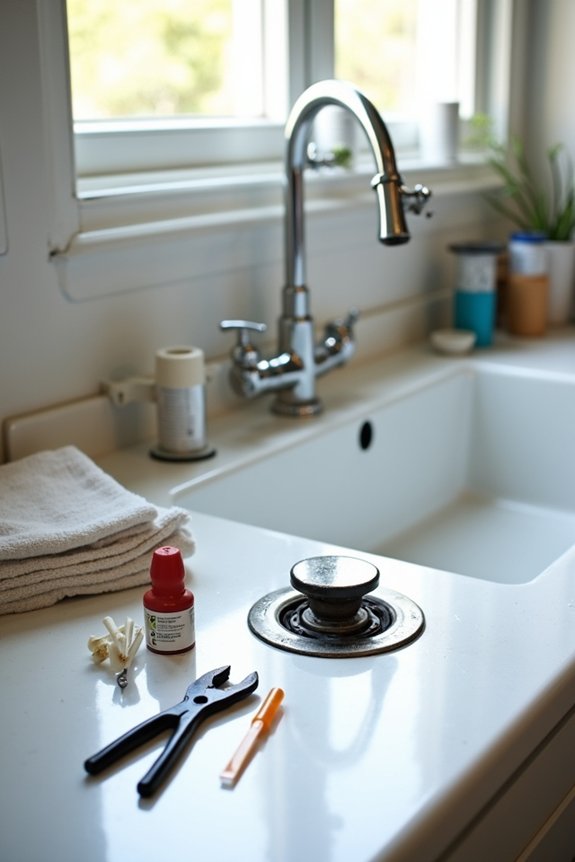
Before you touch anything under your sink, shut off the water supply. Locate the shut-off valves beneath the sink and turn them clockwise until they’re tight. This prevents messy leaks while you work.
Shut off the water supply by locating and turning the shut-off valves beneath your sink clockwise to prevent messy leaks.
Next, gather your essential tools and parts: a sink strainer, tailpiece, P-trap kit, slip-joint nuts, washers, plumber’s putty, a wrench, and a towel.
Prepare your workspace for success by placing a bucket and towels inside the cabinet to catch any spills. This protects your flooring from water damage and saves cleanup time later.
Finally, wear safety gear; gloves and safety glasses protect your hands and eyes while working. Unplug the garbage disposal and switch off its power at the breaker for complete safety.
Step 2: Remove the Old Drain Components
With your workspace prepped and water shut off, you’re ready to remove the old drain parts. Drain components removal involves several straightforward steps that save you money and reduce waste.
1. Loosen the Strainer
Use slip-joint pliers or a strainer wrench underneath the sink. Turn the locknut counterclockwise to break the plumber’s putty seal. This takes patience but prevents damage.
2. Lift Out the Strainer
Clear debris around the drain opening first. Lift the old strainer straight up. Wipe the rim clean with a cloth and mineral spirits.
3. Remove the Trap
Place a bucket below to catch water. Loosen the nuts holding the trap and tailpiece. Remove these components carefully from the drain area.
4. Clean Thoroughly
Scrape away old putty with a plastic scraper. Dry the opening completely. Inspect for corrosion before proceeding.
Step 3: Clean Out the Old Drain Opening
Step 3: Clean Out the Old Drain Opening
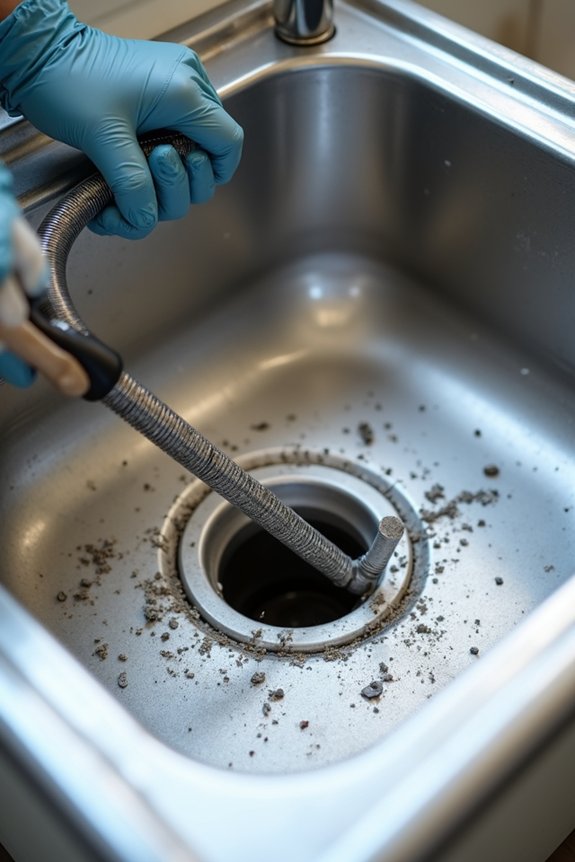
How clean is your drain opening right now? I’m scraping away old plumber’s putty with a plastic scraper. This material hardens over time and prevents a proper seal. I wipe the rim thoroughly with a cloth, using mineral spirits if needed for stubborn residue.
1. Dry the Surface
I dry everything completely. A wet opening compromises the new seal’s effectiveness.
2. Inspect for Damage
I check the drain opening edge carefully. I’m looking for cracks, burrs, or corrosion. A smooth surface ensures my new drain flange fits perfectly.
3. Clear Debris
I remove any remaining particles. This drain opening cleanout prevents future clogs and saves money on repairs.
Step 4: Install the Kitchen Sink Drain Flange With Plumber’s Putty
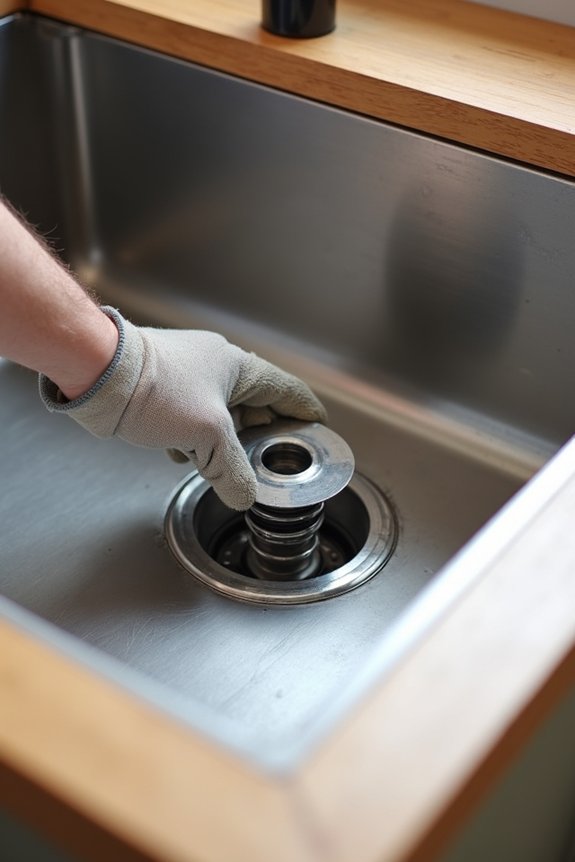
Ready to seal your new drain flange? You’re almost there.
1. Apply the Putty
Roll plumber’s putty into a rope shape. Press it around the sink drain opening to create a flexible seal. This putty acts as a barrier that keeps water from leaking underneath.
2. Insert the Flange
Push the drain flange down through the opening from above. Press firmly so the putty spreads evenly beneath it. You’ll feel resistance as the putty compresses.
3. Secure from Below
Reach underneath and slide on the gasket, friction ring, and locknut. Tighten the locknut gradually in small turns. Avoid overtightening; doing so will damage the flange.
4. Finish Strong
Wipe away excess putty immediately. Check that your flange sits flat and sealed. You’ve prevented water damage and avoided costly repairs.
Step 5: Attach the Sink Strainer and Locknut
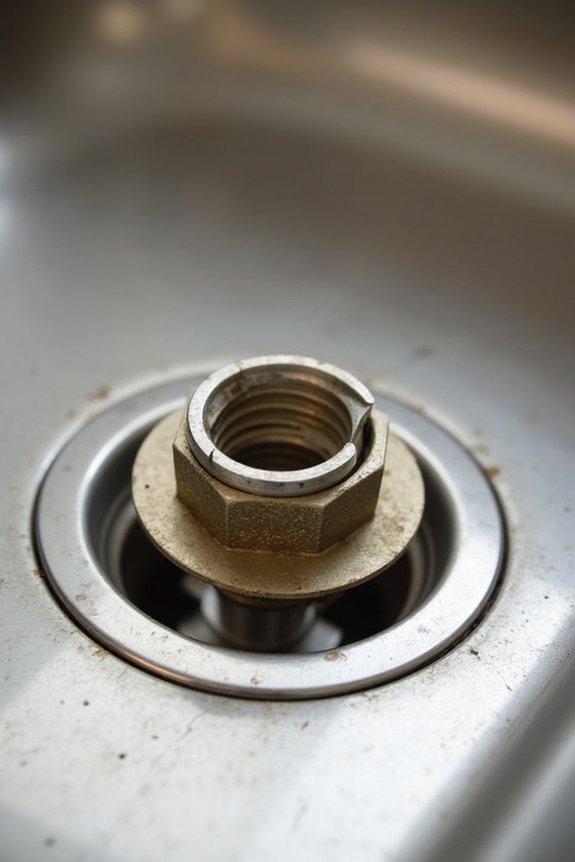
Your drain flange is now sealed and ready for the next piece.
1. Position the Strainer
Attach the strainer assembly from underneath the sink. The strainer basket sits directly above your sealed flange. Alignment matters here for everything to work smoothly.
2. Secure With the Locknut
| Component | Function | Purpose |
|---|---|---|
| Strainer basket | Catches debris | Prevents clogs |
| Locknut | Holds strainer | Creates tight seal |
| Tailpiece | Connects drain | Links to P-trap |
Apply even, small turns to tighten the locknut. This prevents damaging your sink. Over-tightening causes cracks.
3. Attach the Tailpiece
Once the strainer flange is secure, connect the tailpiece. Keep it straight to allow proper drainage flow. Inspect for gaps around the seal to prevent water leaks and avoid costly water damage.
Step 6: Connect the Tailpiece to Your Strainer
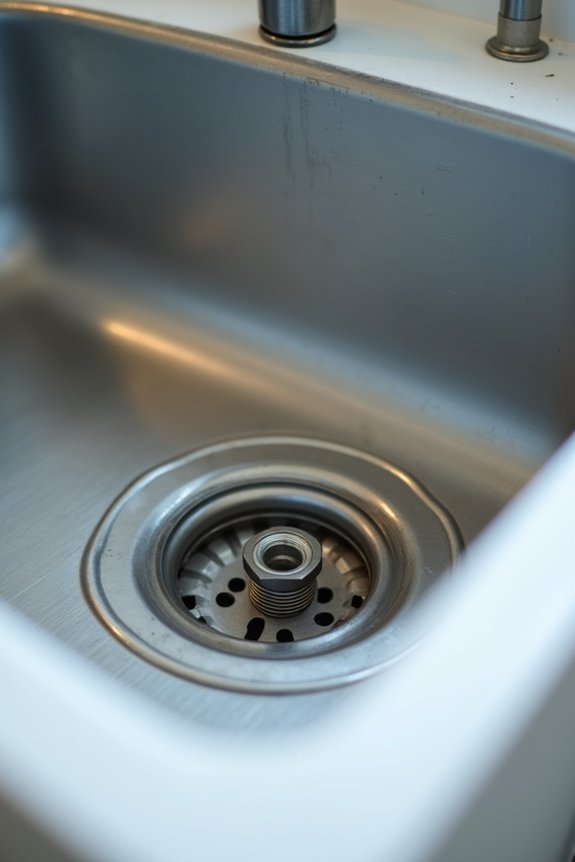
Now you’ll connect the tailpiece, the pipe extending down from your strainer, and make sure it lines up perfectly with your P-trap below. Proper alignment prevents leaks and ensures smooth water flow. Position the tailpiece so it enters the P-trap at the correct angle; forcing it into place at an awkward angle can damage both components and compromise your drainage system.
Secure the connection by hand-tightening the coupling nut where the tailpiece meets the P-trap. Use a pipe wrench to snug it down further, but avoid over-tightening, which can strip the threads or crack plastic fittings. The connection should be snug enough to prevent leaks without excessive force.
Check the alignment one more time before calling the job complete. The tailpiece should sit vertically or at a slight angle without kinks or bends. If you notice any misalignment, loosen the coupling nut and adjust the tailpiece position, then retighten. A properly connected tailpiece will keep your drain working reliably and leak-free for years.
Tailpiece Alignment Essentials
Tailpiece Alignment Essentials
Connecting the tailpiece to your strainer is where everything starts working together. Proper alignment keeps your drain functioning smoothly and prevents leaks.
- Position the tailpiece vertically – This ensures direct connection to the strainer for reliable drainage without kinks or bends.
- Create a slight slope toward the trap – A gentle downward angle prevents water from pooling inside the pipe, reducing clogs and odors.
- Maintain proper slope ratio – Aim for at least 1/4 inch of drop per foot of pipe length to keep water flowing naturally.
- Tighten the slip-joint nut evenly – Work from below using consistent pressure to avoid cross-threading, which damages connections and causes leaks.
These alignment steps protect your investment by reducing future repair costs and preventing water damage to your home.
Secure Connection Techniques
Secure Connection Techniques
The tailpiece connection is where your drain assembly becomes watertight and functional. Follow these steps to secure this joint properly.
1. Apply Plumber’s Putty
Roll plumber’s putty into a thin rope and place it under the strainer flange before setting it into your sink opening. This creates a watertight seal that prevents leaks and reduces water waste.
2. Hand-Tighten First
From underneath, hand-tighten the tailpiece onto the strainer. This initial tightening ensures proper alignment without forcing connections.
3. Secure with Pliers
Give the connection one small additional turn using pliers. Avoid over-tightening, as this can damage components and create problems later.
4. Clean Up Excess
Wipe away excess putty around the flange. You now have a clean, secure, leak-free connection built to last for years.
Step 7: Dry-Fit Your Sink Drain Before Permanent Tightening
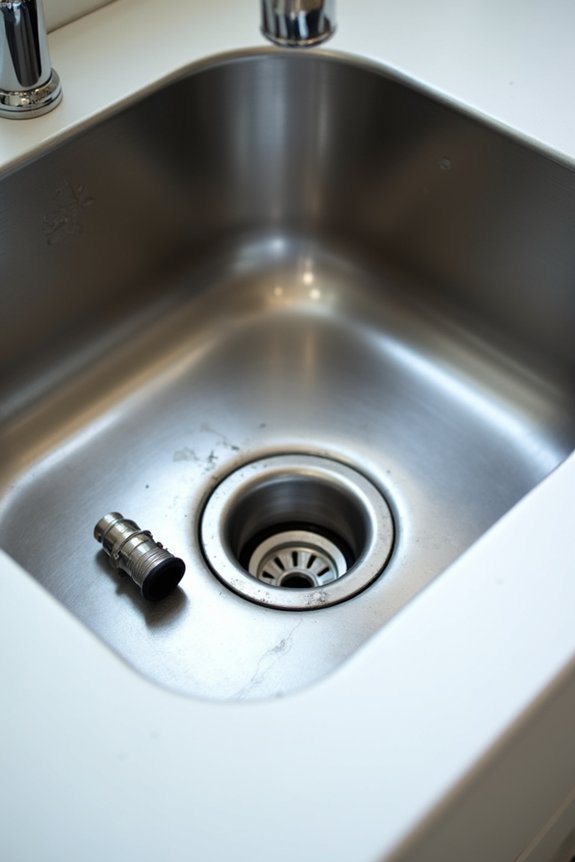
Step 7: Dry-Fit Your Sink Drain Before Permanent Tightening
Before you tighten anything permanently, test-fit your drain assembly first. This prevents costly mistakes and wasted materials while reducing frustration.
What to check during your dry-fit:
- Alignment and slope – Verify the P-trap slopes about ¼ inch per foot for proper drainage and siphon prevention.
- Component positioning – The tailpiece, trap arm, and wall drain line must align directly without strain or gaps.
- Gasket placement – All washers and gaskets should sit cleanly and correctly before you tighten anything permanently.
- Debris removal – Clear any dust or debris from components for a proper mock-up assembly.
This test run allows you to adjust height and angles without commitment. You’ll catch misalignments before they become problems, so your drain functions correctly from the start.
Step 8: Hand-Tighten, Then Snug Each Joint With Pliers
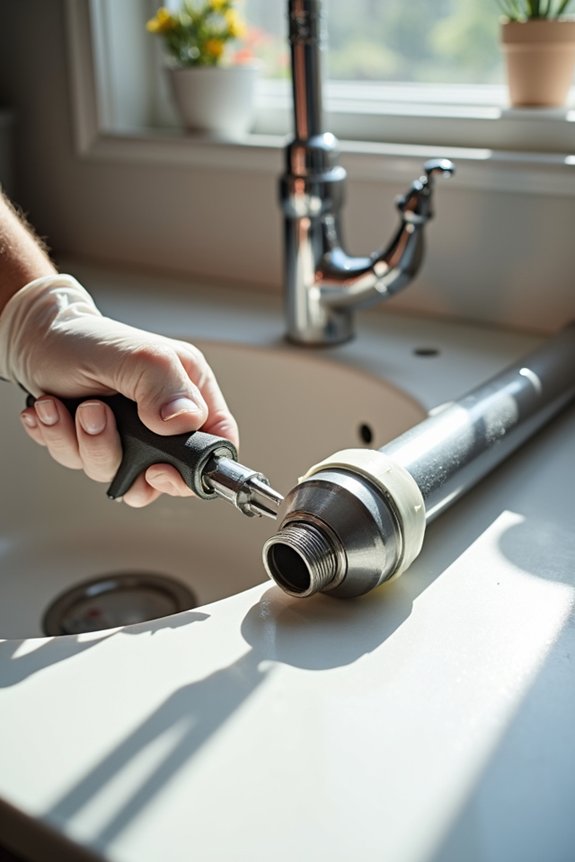
Step 8: Hand-Tighten, Then Snug Each Joint With Pliers
Now it’s time to secure your drain assembly permanently.
1. Hand-Tighten First
Start by hand-tightening all nuts. This ensures your threads align properly before applying pliers. You’re preventing costly mistakes that damage fittings.
2. Use Pliers Carefully
Next, grab your pliers and snug each drain connection slightly. Don’t over-tighten; you’ll crack fittings or harm your sink surface. A small amount of pressure creates a watertight seal.
3. Monitor Your Progress
As you work, check that the drain flange stays evenly seated. This prevents leaks before they start, saving water and money.
4. Final Inspection
Once finished, recheck all connections. Wipe away excess sealant or putty. You’ve now completed a secure installation that will last.
Step 9: Run Water and Check for Leaks
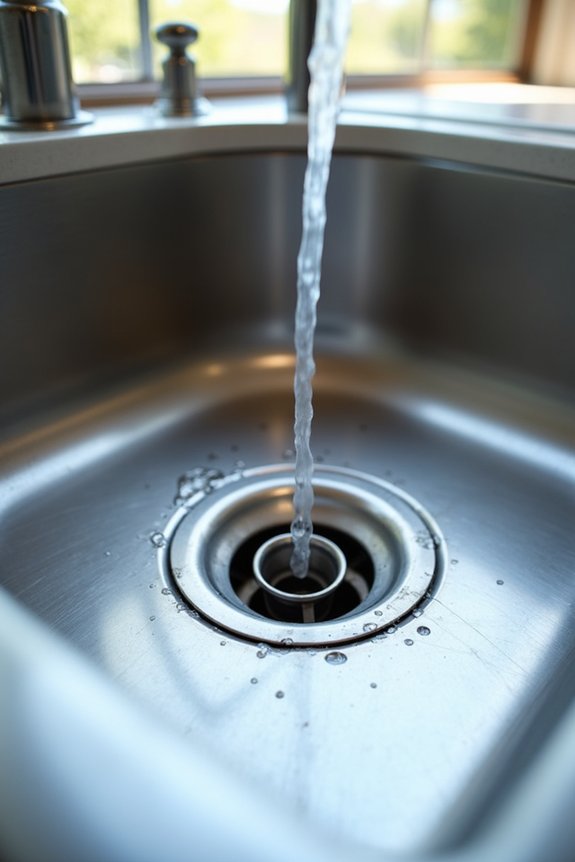
Turn on the water and test each connection point. Watch for leaks at joints, fittings, and where pipes connect to fixtures. Run water through all affected areas, including sinks, toilets, and drain lines. Check under cabinets and behind walls if accessible to spot any water seeping from your work.
Let the water flow for several minutes to observe how the system performs under normal conditions. Pay attention to water pressure and drainage speed. Any slow drains or weak flow may indicate an issue that needs correction before you consider the job complete.
Inspect the floor and surrounding areas for any pooling water or dampness. Wipe down pipes and connections with a dry cloth first so you can easily spot new moisture. If you find a leak, turn off the water immediately and locate the source. Tighten fittings with your wrench, reseal connections with plumber’s tape or sealant, or replace defective parts as needed.
Once everything runs smoothly with no visible leaks, your installation is complete and ready for regular use.
Test All Joint Connections
How do you know if your drain installation actually works? I’ll turn on the faucet and carefully watch every connection point for leaks. This simple step protects your home from water damage and wasted resources.
- Place dry rags or towels at each joint to catch slow leaks you might miss visually
- Check hot and cold water lines separately, listening for unusual noises when pressure applies
- Run water for several seconds so the P-trap seals properly without gradual seepage
- Inspect the disposal connection for drips or moisture formation around the flange
If I spot leaks, I’ll tighten joints incrementally by hand first, then with a wrench. Over-tightening causes cracking, so I proceed carefully. This testing phase confirms everything works correctly before calling the job complete.
Inspect For Water Leaks
After you’ve verified all your connections are tight, it’s time to put them to the test.
1. Run the Water
Plug in your disposal and turn on the water. Let it run for several minutes while you watch carefully underneath the sink.
2. Check Every Connection
Inspect the sink drain flange, P-trap, tailpiece, and supply lines closely. Look for any moisture or dripping at sink drain leak points. Don’t miss hidden spots behind pipes.
3. Dry and Inspect Again
Wipe all areas with a rag. This gives you a clearer view during a longer test run and helps you spot new leaks immediately.
4. Tighten If Needed
Found a leak? Tighten connections by hand first, then snug them with a wrench. Avoid overtightening; you’ll crack components and waste money on replacements.
Verify Proper Drainage Flow
Once all your connections are in place, it’s time to test everything under real conditions. Verify that your drainage flow works properly before declaring the job complete.
- Turn on the faucet and let water run for several minutes to observe drainage behavior.
- Check the slope of your drain pipes; they should descend about 1/4 inch per foot to prevent pooling.
- Watch for water backing up or draining slowly, which signals slope problems or blockages.
- Listen for gurgling sounds that might indicate air flow issues in your vent stack.
Proper drainage flow prevents water damage and extends your sink’s lifespan. It also saves money on future repairs. Take your time observing how water moves through the system. You build confidence in your work and protect your home’s structural integrity.
Step 10: Troubleshoot Leaks If Testing Reveals Drips
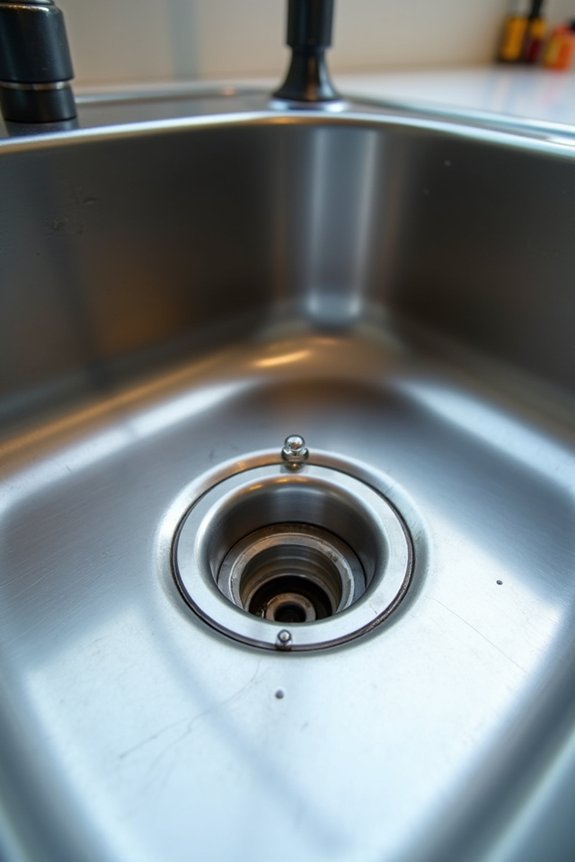
Discovering leaks during your water test doesn’t mean you’ve failed. It just means there’s one more adjustment to make. Here’s how to fix common drain leak testing issues.
1. Inspect Joint Connections
Check the drain flange, P-trap, and disposal connection first. Hand-tighten each connection, then use your wrench in small increments. This catches most leaks without damaging fittings.
2. Reseat Washers and Gaskets
Washers wear out over time. Remove connections and inspect them carefully. Replace any damaged washers or gaskets you find.
3. Check the Drain Flange Seal
The flange must sit evenly with a watertight seal. Reapply plumber’s putty or silicone if needed to prevent water from seeping underneath.
4. Replace Damaged Parts
Look for cracks in your sink, countertop, or fittings. Replace any broken components before retesting.
5. Confirm the Seal
Run water for several minutes. Wipe joints dry and inspect for moisture. A leak-free fit means you’re done.