
1) Start with a focal piece. Hang bold artwork or create a gallery wall to anchor the space. 2) Add seating. Choose an accent chair or compact side chair that fits without overwhelming the area. 3) Go vertical. Layer tall shelves with plants at different heights to draw the eye upward. 4) Include lighting. Floor lamps and wall sconces brighten the corner while saving table space. 5) Balance everything. Arrange by scale, starting with the largest pieces first, and leave breathing room around each element. This deliberate approach turns empty corners into personal spaces where each detail serves a purpose. Continue exploring for deeper strategies.
Start With a Bold Focal Piece or Gallery Wall
Start With a Bold Focal Piece or Gallery Wall
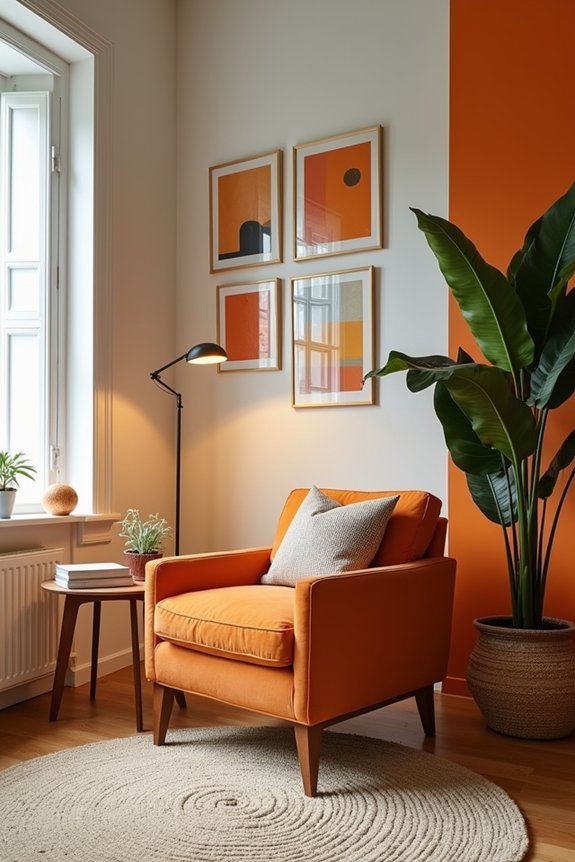
When you’re decorating a living room corner, begin with one key element that immediately catches the eye. A large statement artwork works well as your focal point. This single piece draws attention and sets your corner’s entire style.
Consider a Gallery Wall Alternative
If one artwork feels too simple, create a gallery wall instead. You can mix different sizes of wall art together for visual interest. This approach lets you display multiple pieces you already own, which saves money while reducing waste.
Display With Purpose
Pair your focal piece with a display shelf nearby. Floating shelves add storage without taking up floor space. Together, your gallery wall and shelving create a complete, inviting corner that shows who you are through your choices.
Choose a Seating Option That Fits Your Corner
How do you choose seating that actually fits your corner space? The right corner seating puts underused areas to work, creating functional, inviting spots.
1. Assess Your Space
Measure your small corner carefully. Consider how furniture balances with lighting and adjacent pieces. You’ll want seating that doesn’t overwhelm the room.
2. Explore Your Options
An accent chair adds style through pattern or color. A compact side chair creates a reading nook without dominating space. Even a wooden chair or leaning ladder works in tight areas.
3. Prioritize Comfort
Pair seating with soft throws for warmth. This approach costs less than replacing furniture and extends its lifespan.
4. Layer Your Setup
Balance with lighting to create a cohesive corner. Your seating option should feel like a natural extension of your room’s design.
Layer in Vertical Interest With Shelves and Plants
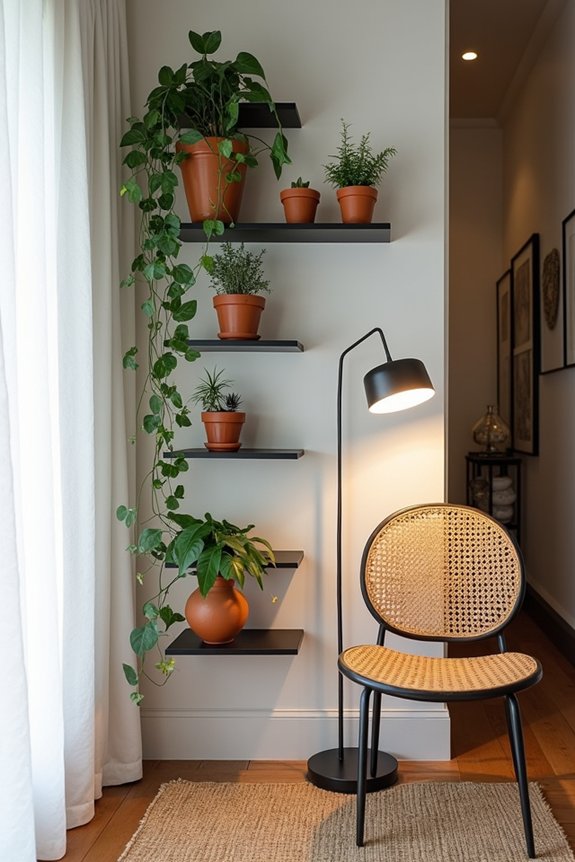
I’ve found that combining tall shelves with plants at different heights draws your eye upward and makes narrow corners feel larger. Shelves provide storage space while plants add natural beauty and softness to hard surfaces. Together, they create a layered appearance that turns an empty corner into a focal point without consuming floor space.
Shelves Create Vertical Space
Shelves draw your eye upward, making tight corners feel taller and more open. Floating shelves and wall-mounted shelves maximize your vertical space without eating up floor room. This matters because you get storage and style without clutter.
1. Choose the right shelves
Floating shelves work well in corners. They keep your floor clear for seating or movement, which makes your space feel bigger.
2. Layer with intention
Arrange books, frames, and vases at different heights. Position tall plants strategically to emphasize your corner’s lines. This layered decor creates visual interest and balance.
3. Save space and money
Wall-mounted shelves cost less than furniture pieces. They’re also eco-friendly since you’re using existing wall space rather than buying additional pieces. You’re maximizing what you already have.
Plants Add Natural Height
Plants Add Natural Height
While shelves give you storage, plants bring life and vertical presence to your corner.
1. Choosing the Right Plant
Tall plants like fiddle-leaf figs work well in bright corners. They fill vertical space without consuming much floor room. For corners with limited natural light, faux plants are a practical option. You get the height and style without ongoing maintenance.
2. Maximizing Height
Tall planters boost your plant’s visual impact immediately. Pairing plants with shelves or pedestals creates layered interest and depth. This combination turns bare corners into focal points worth noticing.
3. Creating Visual Balance
Plants add natural height that makes small corners feel spacious rather than crowded. The vertical footprint draws eyes upward, which enhances your room’s proportions. This approach works for any corner size, whether large or compact.
Add Light With a Lamp or Sconces
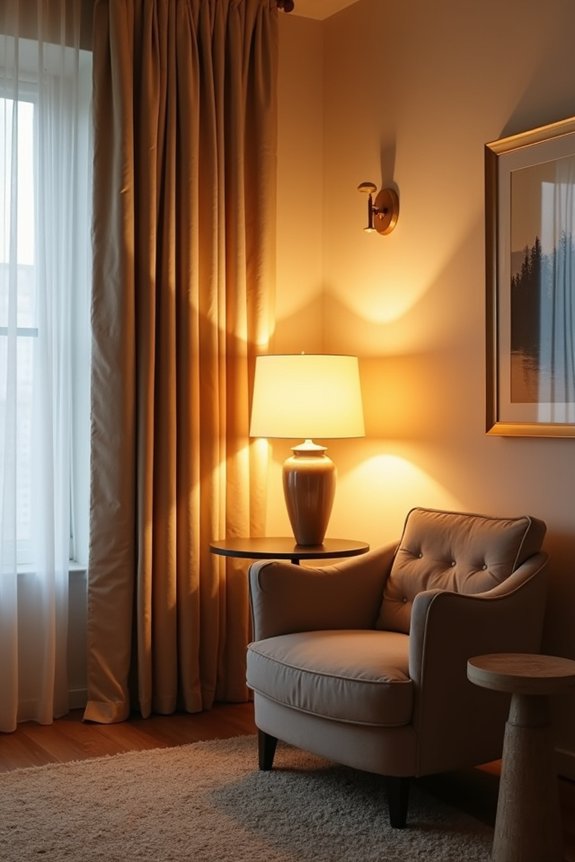
Lighting plays a practical role in making a corner feel welcoming rather than neglected. Floor lamps offer a good solution if you want coziness without sacrificing table space. Wall sconces work well when floor area is limited; they brighten your seating area while keeping the ground clear. Both options reduce shadows and create a functional spot for relaxing or reading.
Floor Lamps for Ambiance
Most living room corners need better lighting, and a floor lamp provides the perfect solution. Floor lamps brighten dark spaces without consuming table space. They come in many styles, from sleek modern arc lamps to classic torchieres, so you’ll find one matching your décor.
Pairing a floor lamp with a small side chair creates an inviting reading nook. Position your lamp behind or beside seating to improve light distribution throughout the room. This placement enhances corner warmth while reducing reliance on overhead lights, which saves energy and money.
Floor lamps complement your existing furniture beautifully. They define corners, create comfortable atmospheres, and make spaces feel more purposeful. That’s why they’re an excellent choice for improving any living room corner.
Wall Sconces Save Space
Wall Sconces Save Space
How can you brighten a dark corner without cluttering it with furniture? Wall sconces offer the perfect solution for space-saving lighting that improves any area.
1. Smart Installation
Install sconces on adjacent walls or behind seating. This creates layered ambient lighting while reducing shadows effectively.
2. Style Options
You’ll find designs ranging from modern minimal to traditional torchiere styles:
- Modern geometric designs complement contemporary spaces
- Traditional sconces add warmth and elegance
- Minimalist options blend into walls without drawing attention
- Decorative styles serve as focal points themselves
3. Flexibility Matters
Consider swing or plug-in sconces for repositioning. You can highlight artwork, plants, or architectural features as your corner decor evolves.
4. Enhanced Layering
Pairing wall sconces with floor or table lamps creates balanced, flexible lighting. This approach saves money while reducing energy consumption compared to overhead lights alone.
Brighten the Space With Mirrors and Curtains
Mirrors and curtains work together to brighten a dim corner into an inviting space. Placing mirrors near windows enhances natural light diffusion, which reduces your need for artificial lighting and lowers energy costs.
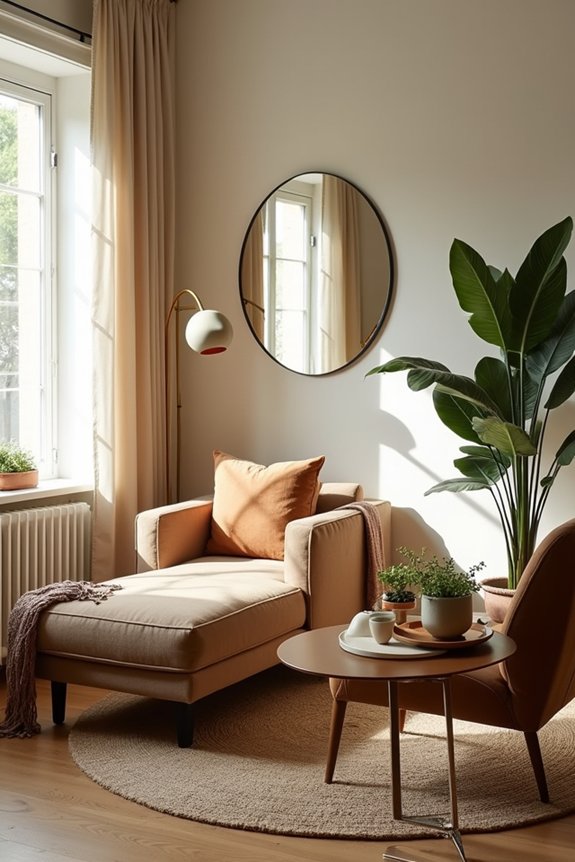
A large round mirror above an accent table creates visual interest. Pair it with curtains that complement the mirror’s frame style and finish for cohesive styling. This combination deepens your room’s depth, making cramped corners feel more spacious.
Choose mirrors that match your existing wall art and decor. Position them strategically to bounce sunlight throughout the room. When you blend mirrors with curtains intentionally, you create a welcoming retreat that feels both spacious and warm, without expensive renovations.
Make It Cozy With Rugs and Throws
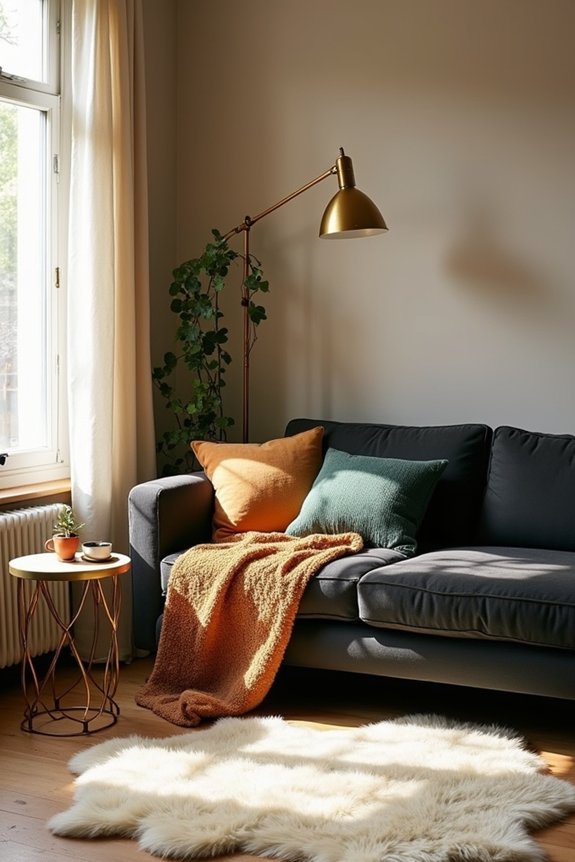
When you’re ready to create a welcoming corner in your home, rugs and throws offer an affordable, practical solution.
1. Create Your Perfect Cozy Corner
A quality rug anchors your seating area and defines the space well. You can layer two rugs for visual richness or choose from eclectic patterns and timeless wool options. Throws draped over chairs add warmth and texture that invite you to settle in.
2. Design Elements That Matter
- Soft textures that feel welcoming against your skin
- Layered rugs creating depth and visual interest
- Throws offering practical comfort during relaxation
- Strategic placement that balances surrounding furniture
Consider rug size carefully to avoid overwhelming your corner. Pair your chosen pieces with a statement chair and side table. This thoughtful approach turns an empty space into your personal sanctuary; a place where you truly belong.
Arrange Everything by Scale and Balance
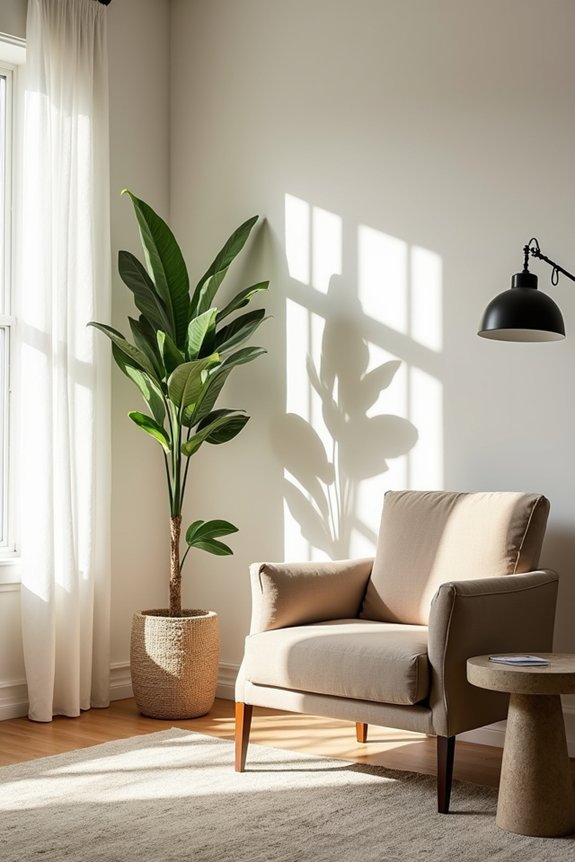
Why does your corner feel cluttered even with just a few pieces? Scale and balance are your answers. I’ll show you how to arrange items so your space feels organized and purposeful rather than crowded.
1. Stack by Size
Start with your largest piece at the base. A tall cabinet anchors everything. Layer smaller items above it. This prevents visual chaos.
| Height Level | Item Type | Purpose |
|---|---|---|
| Bottom | Furniture | Creates stability |
| Middle | Lamp or plant | Draws attention upward |
| Top | Accessories | Fills remaining space |
2. Use Vertical Height
Tall plants and pedestals counter heavy couches below. They guide your eye upward naturally. This balanced approach maximizes your corner’s potential without wasting money or space.
3. Create Breathing Room
Leave negative space around your focal piece. Your round accent table deserves room to shine. Avoid cramming it beside shelving or plants. Simple arrangements last longer and feel welcoming.