


Standard Height: The typical kitchen counter height is 36 inches, a proven standard that minimizes back strain and suits most adults.
Why It Works: This measurement combines a 34.5-inch base cabinet with a 1.5-inch countertop, balancing ergonomics and affordability.
Consider Your Needs: Your ideal height depends on your body measurements, daily tasks, and whether you’re cooking or baking.
Resale Value: Sticking with 36 inches keeps future buyers comfortable and avoids costly appliance compatibility issues. Understanding how to measure your perfect height reveals several personalized options beyond the standard.
The Standard Kitchen Counter Height: 36 Inches
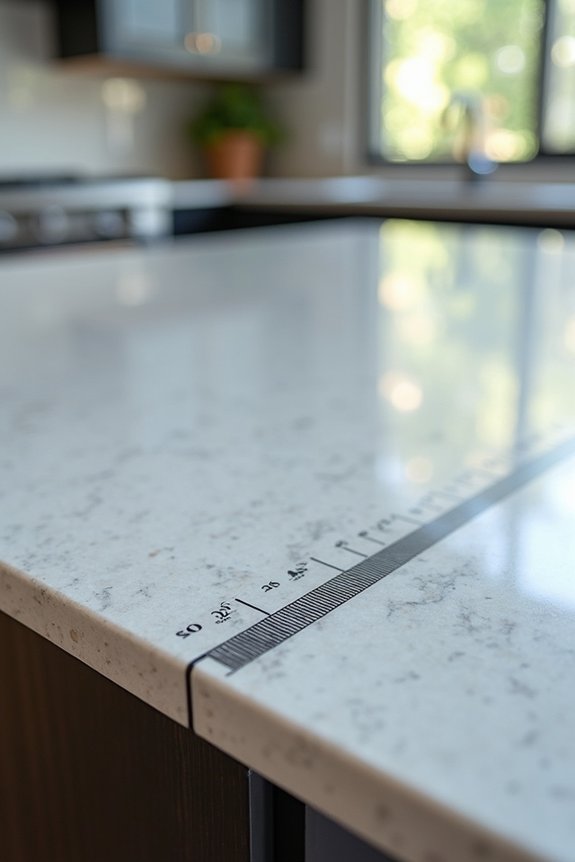
The Standard Kitchen Counter Height: 36 Inches
Why is 36 inches the standard for kitchen counters? It’s the height that works for most people. Your base cabinets sit at 34.5 inches tall. Add a 1.5-inch countertop, and you reach 36 inches from floor to surface.
The Math Behind the Standard
This height lets you work comfortably without straining your back or arms. Most adults find it practical for chopping, mixing, and cooking. You’re not reaching too high or bending too low.
Why This Matters
Sticking with standard heights saves money on custom work. Resale value stays strong because future buyers expect this measurement. It’s the reliable choice that serves nearly every household well.
Why 36 Inches Became the Default Standard
How did 36 inches become the standard height for kitchen counters? The practical reasons behind this widespread choice reflect a combination of ergonomic research and manufacturing efficiency.
1. Ergonomic Design
The 36-inch height works well for most adults. This measurement combines a 34.5-inch base cabinet with a 1.5-inch countertop. At this height, most people can work comfortably without excessive strain on their back and arms during cooking and food preparation tasks.
2. Simplified Installation
When everyone uses the same height, manufacturers produce compatible products. Cabinets, countertops, and appliances designed to fit 36 inches became standard throughout the industry. This standardization reduces costs during renovations and makes replacements more affordable when you need them.
3. Practical Consistency
The standard ensures your kitchen works with typical products available in the market. This compatibility makes repairs easier and more cost-effective over time. You won’t struggle to find replacement pieces or encounter compatibility issues when upgrading individual components.
Does Counter Height or Bar Height Suit Your Kitchen?
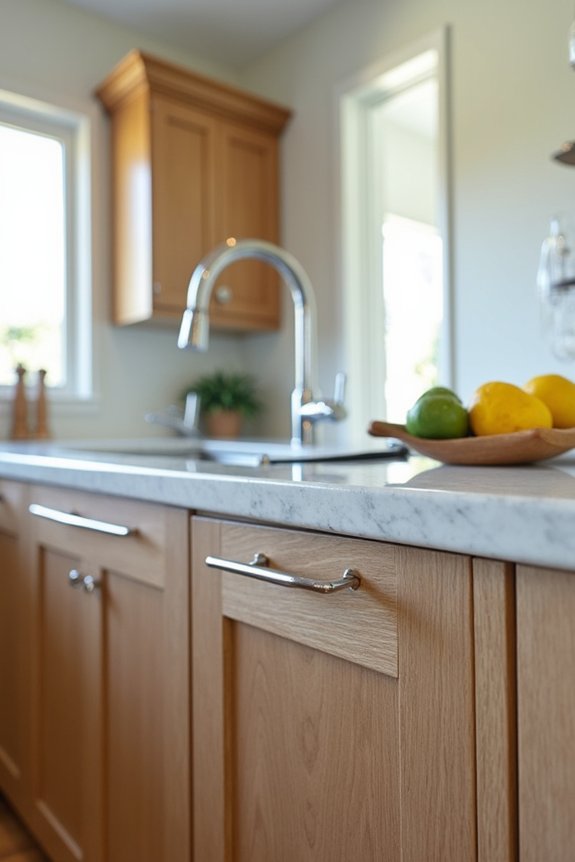
When you’re planning a kitchen renovation, you’ll need to decide between counter height and bar height surfaces. The choice depends on how you’ll use your space.
1. Counter Height for Cooking
The standard kitchen counter height of 36 inches works best if you cook frequently. This height feels comfortable for food prep and lets you interact closely with your cooking area. You’ll pair it with 24-27 inch counter height stools for casual seating. It’s the practical choice that maximizes your workspace efficiency.
2. Bar Height for Style
Bar height surfaces measure 41-43 inches and suit open-concept kitchens well. They hide kitchen mess from view, which matters when guests are around. You’ll need 28-33 inch bar stools to match. This option creates visual impact and reduces the stress of frequent cleaning.
Measure Your Ideal Height: The Elbow Method
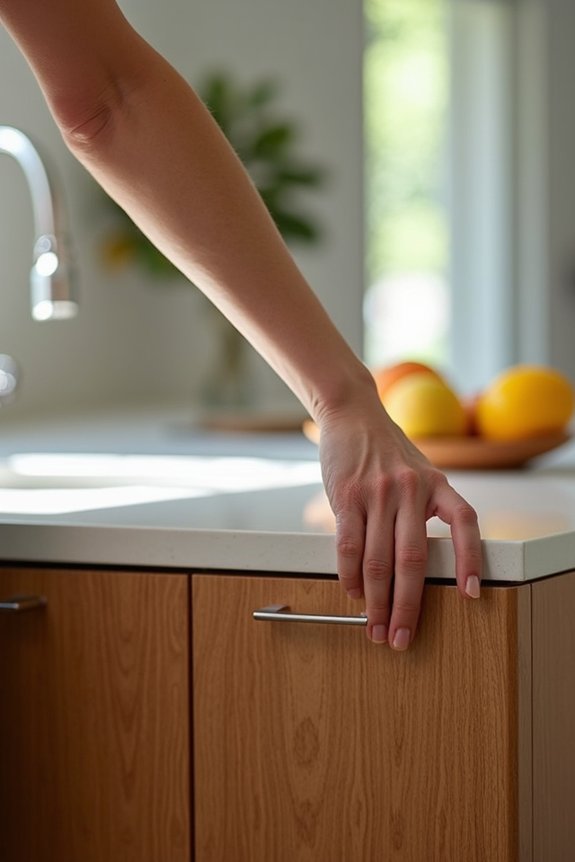
Finding Your Ideal Counter Height: The Elbow Method
Measure from your elbow to the floor while standing in a natural posture. This measurement provides your baseline for counter height, though the final height should account for the specific tasks you’ll perform at that counter. A counter used primarily for food preparation may differ from one designed for workspace or dining functions.
Working at a counter that fits your body prevents neck, shoulder, and back strain. A surface that’s too high forces your shoulders upward; one that’s too low rounds your spine forward. Taking time to measure correctly results in a workspace where you can stand comfortably for extended periods without fatigue or discomfort.
Finding Your Optimal Height
What’s the best way to figure out your perfect counter height? You’ll want to measure from your elbow to the ground while standing naturally. This measurement reveals your ideal counter height range.
1. Apply the Elbow Method
Subtract 3 to 6 inches from your elbow height for general prep tasks. If you bake frequently, subtract 8 inches instead. This approach reduces shoulder strain during standing work.
2. Consider Your Needs
Standard counter height sits at 36 inches, but your body might need something different. Task type matters: baking requires lower surfaces than chopping vegetables.
3. Balance Standards and Comfort
Most contractors recommend 35.5 inches as a practical average. However, your measurements should guide your decision. Customizing counter height saves you money on future adjustments and physical discomfort.
Task-Specific Elbow Measurements
Different tasks call for different counter heights, and the elbow method helps you pinpoint exactly what works best for you.
I’ll measure from my elbow to the ground while standing naturally. This measurement becomes my baseline. Then I adjust based on what I’m doing at each counter.
1. Prep work: I position my counter 3–4 inches below my elbow height for chopping and mixing.
2. Cooking surfaces: I aim for 5–6 inches below elbow height to balance ease with reach.
3. Baking tasks: I prefer about 8 inches below elbow height for sustained dough work.
I measure across multiple users in my household. This prevents shoulder and back strain for everyone. Standard 36-inch counters typically align perfectly with these personalized measurements.
Ergonomic Comfort Calculations
Ergonomic Comfort Calculations
Once you’ve identified the right heights for your specific tasks, you’re ready to calculate your personal comfort zone.
1. Measure Your Elbow Height
Stand naturally with your arms at your sides. Have someone measure from the floor to your elbow bend. This measurement guides your ideal counter height.
2. Apply the Elbow-Height Method
Subtract 3 to 4 inches from your elbow height for prep work surfaces. Subtract 5 to 6 inches for cooking areas. For baking, subtract 8 inches to support comfortable hand positioning.
3. Reduce Physical Strain
Proper counter heights minimize upper back, neck, and shoulder strain during standing tasks. This ergonomic approach protects your long-term health and comfort.
4. Customize Beyond Standard
The typical 36-inch counter doesn’t fit everyone. Your unique measurements justify adjusting heights for maximum comfort and efficiency.
Task-Specific Heights: Cooking, Prep, and Baking Comfort
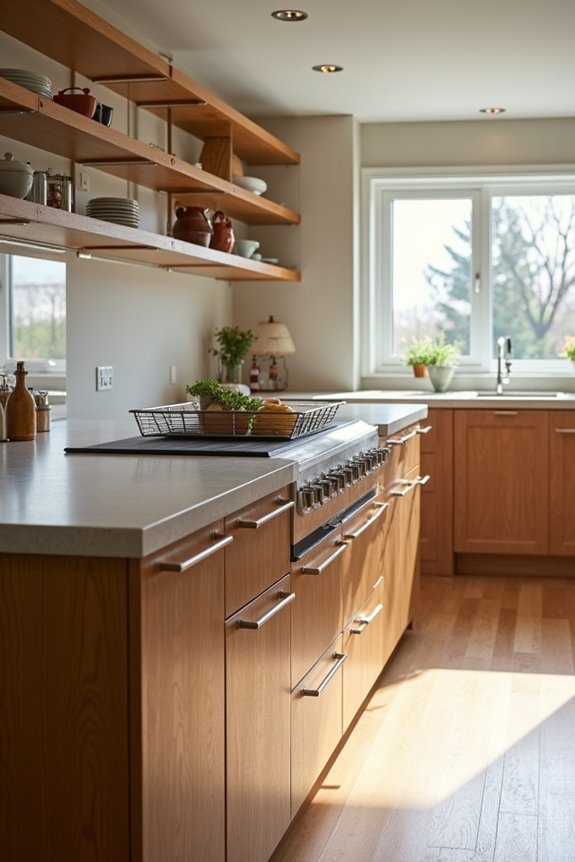
Why does counter height matter so much for different kitchen tasks? Counter height directly affects your comfort and efficiency. Different activities demand different surfaces.
1. Cooking and General Prep
I use my standard 36-inch counter for most daily cooking. This height works well for chopping vegetables and stirring pots without strain.
2. Focused Prep Work
When I’m doing detailed prep work, I appreciate a 34-inch surface. This lower height reduces shoulder and back strain during longer sessions.
3. Baking Projects
For dough work, I prefer surfaces around 34 inches. This aligns perfectly with my elbow height for kneading and rolling tasks.
Consider these task-specific heights:
- Standard cooking: 36 inches
- Detailed prep: 34 inches
- Baking: 34 inches
Adjusting counter heights for specific tasks minimizes fatigue and improves your kitchen experience.
Island Counters: Counter Height vs. Bar Height Strategy
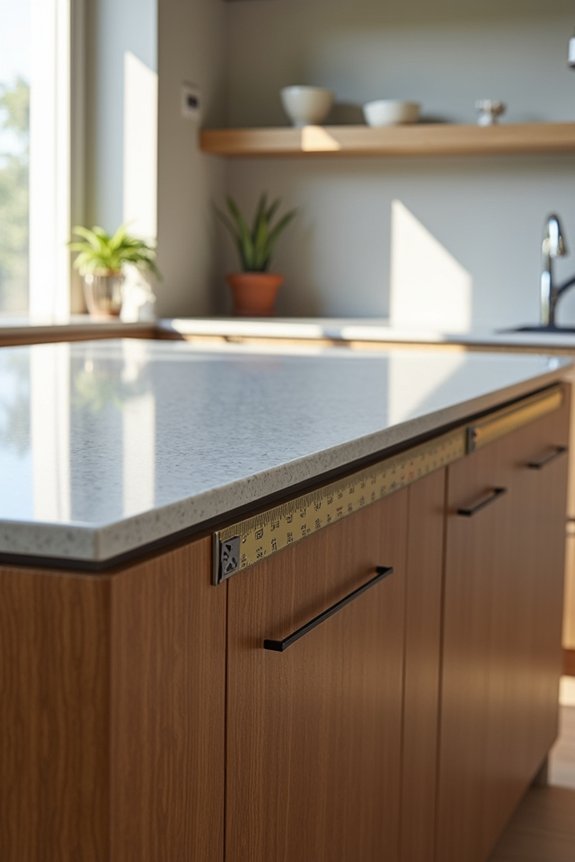
When you’re planning your kitchen island, you’ll need to decide between counter height (36 inches) for cooking and prep work, or bar height (41 to 43 inches) for eating and entertaining. This choice affects how you’ll use the space, your comfort while working, and how your island fits into your kitchen’s layout. Once you pick your island’s height, selecting the right stools becomes important: 28 to 33 inches for bar height or 24 to 27 inches for counter height will keep everyone sitting comfortably and safely.
Counter Height Vs. Bar Height
Should your island match your standard countertops or rise higher for seating?
I’d recommend considering your island’s primary purpose. Counter height surfaces work well for food prep and cooking tasks. Bar height islands, however, suit dining and entertaining better.
Here’s what I consider when deciding:
- How you’ll use the space (cooking versus socializing)
- Whether your cooktop sits on the island
- Your family’s comfort and accessibility needs
Counter height keeps prep work ergonomic and accessible for everyone. Bar height creates a social gathering spot with dedicated seating. Think about your kitchen’s flow and daily activities. You’ll save money by choosing wisely upfront rather than renovating later. Match your island’s height to how you actually live in your kitchen.
Choosing Your Island’s Purpose
Choosing Your Island’s Purpose
How you plan to use your island should drive your height decision.
1. Cooking-Focused Islands
If you’ll handle pots, chop vegetables, or prep meals frequently, choose standard height at 36 inches. This matches your regular kitchen counters. You’ll work comfortably without strain on your back or arms. Heavy cooking tasks require this ergonomic advantage.
2. Seating-Centered Islands
When your island primarily serves as a gathering spot with bar stools, bar height at 42 inches works better. It creates a natural social space. Guests can sit comfortably while you chat. This height reduces the cooking workspace but maximizes interaction.
3. Dual-Purpose Islands
Many islands handle both roles. Standard height remains the smarter choice. You won’t sacrifice cooking efficiency. Casual dining still works reasonably well. This approach saves money and serves your needs effectively.
Stool Selection And Compatibility
Your island’s height determines which stools you’ll need. I’ll help you match them perfectly to your setup.
Understanding Your Options
Counter height stools work best with 36-inch islands. They’re typically 24-27 inches tall. Bar-height stools, measuring 28-33 inches, pair with taller surfaces around 41-43 inches. Getting the right fit matters for comfort and safety.
Key Compatibility Points
Consider these essentials:
- Measure your island’s exact height first
- Choose stools that leave 10-12 inches between seat and counter
- Test seating before purchasing to ensure proper leg room
Smart Planning
Use a standard 36-inch counter height island for cooking and prep work. If you want casual seating too, add a separate bar-height surface. This approach balances functionality and saves money by avoiding unnecessary furniture replacements.
Custom Heights and Depths: When to Deviate From Standard
When does it make sense to move away from that standard 36-inch counter height? I’ll share when custom heights make sense.
1. Accessibility Needs
Lower counter heights around 34 inches work better for wheelchair users or shorter household members. This adjustment allows everyone to comfortably use your kitchen.
2. Design Statements
Taller counters up to 39 inches create dramatic focal points. Waterfall edges or irregular islands often justify these custom counter height choices.
3. Budget Considerations
Stock cabinetry keeps costs down, but custom solutions increase expenses. Weigh your aesthetic goals against your budget before committing.
4. Building Codes
Local regulations may require specific counter height adjustments. Check your area’s accessibility laws before finalizing plans.
Custom heights work when they solve real problems, not just trends.
Resale Implications: Choosing Heights That Future Buyers Expect
Resale Implications: Choosing Heights That Future Buyers Expect
Real estate agents mention “updated kitchens” frequently because they understand buyer expectations. When you stick with standard kitchen counter heights, you’re making a sound investment decision.
1. Resale Value Protection
Standard counters at 36 inches match what buyers anticipate. They’ll fit typical appliances and cabinetry without complications. Nonstandard heights create compatibility problems that discourage purchasers and complicate sales negotiations.
Standard 36-inch counters align with buyer expectations and simplify appliance compatibility, while nonstandard heights risk discouraging purchasers.
2. Why Consistency Matters
Consider these resale factors:
- Appliance compatibility remains straightforward
- Installation costs stay predictable for new owners
- Design preferences won’t conflict with buyer expectations
3. Documentation Counts
If you choose custom heights, document everything clearly. This transparency helps future buyers understand your decisions and reduces negotiation friction. Standard dimensions simply make the process easier for everyone involved.
Your Decision Framework: Standard, Custom, or Hybrid Approach
How do you choose between sticking with what works, customizing everything, or blending both approaches?
| Approach | Best For | Cost Impact | Resale Effect |
|---|---|---|---|
| Standard (36″) | Most homes, budget-conscious | Lower | Buyer-friendly |
| Custom heights | Specific needs, accessibility | Higher | Potential resistance |
| Hybrid blend | Selective customization | Moderate | Generally positive |
Standard Heights Work Well
Standard 36-inch counters fit most people and homes. You’ll save money upfront and avoid resale concerns. This approach matches what buyers expect.
Custom When It Matters
Customize only where ergonomics truly benefit you. Perhaps your main prep area needs 3–4 inches below elbow height. Keep islands standard for flexibility.
Hybrid Strategy
Combine standard sections with targeted customization. This balances your comfort needs against financial sense and future marketability.