

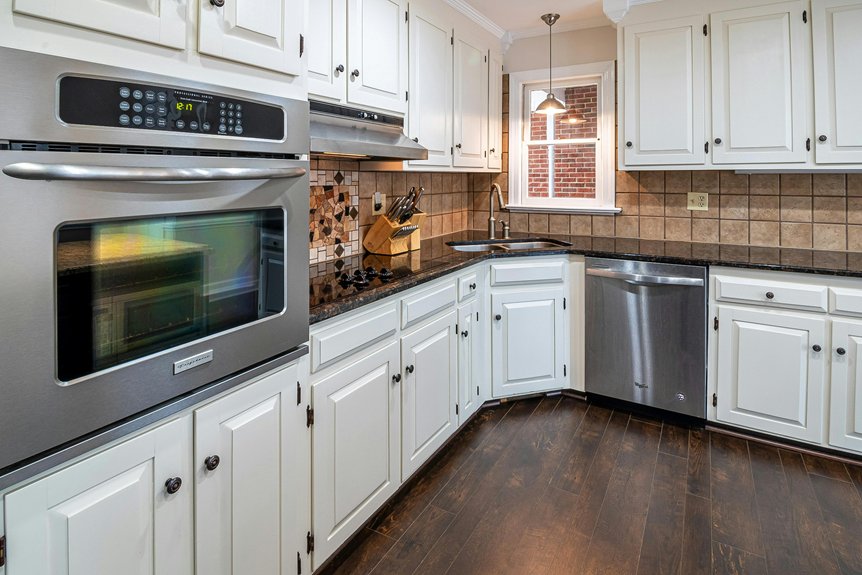
Standard base kitchen cabinets measure 24 inches deep, which is the industry standard that works well for most kitchens. This depth accommodates typical countertops, large appliances, and provides solid storage without wasting space.
Wall cabinets, by contrast, are shallower at 12 inches to preserve countertop workspace and improve ergonomics.
Your actual interior storage space is slightly smaller, around 22 inches, after accounting for backing and reinforcement.
Understanding these measurements helps you avoid costly installation mistakes and confirms that everything fits properly in your kitchen layout.
Standard Base Cabinet Depth: The 24-Inch Industry Standard
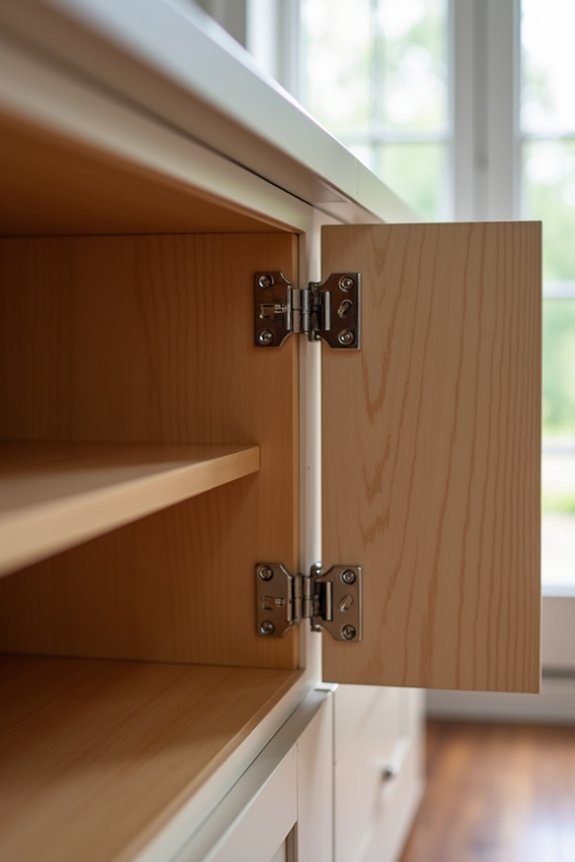
Why does your kitchen cabinet fit so perfectly under the countertop? It’s because manufacturers follow the industry standard base cabinet depth of 24 inches. This measurement refers to the box itself, excluding doors and drawers. This consistency makes kitchen planning straightforward and affordable.
2. Understanding Interior Depth
The interior depth is actually smaller, about 22-1/4 inches. This accounts for the back panel and nailers that reinforce your cabinet. You’re getting effective storage without wasting valuable kitchen space.
3. Real-World Application
With a standard 24-inch box depth and typical 3/4-inch countertop overhang, your total depth reaches approximately 25 inches. This proven formula reduces the need for custom work while delivering quality, durable cabinets that fit properly in your kitchen.
Why Are Wall Cabinets Shallower Than Base Cabinet Depths?
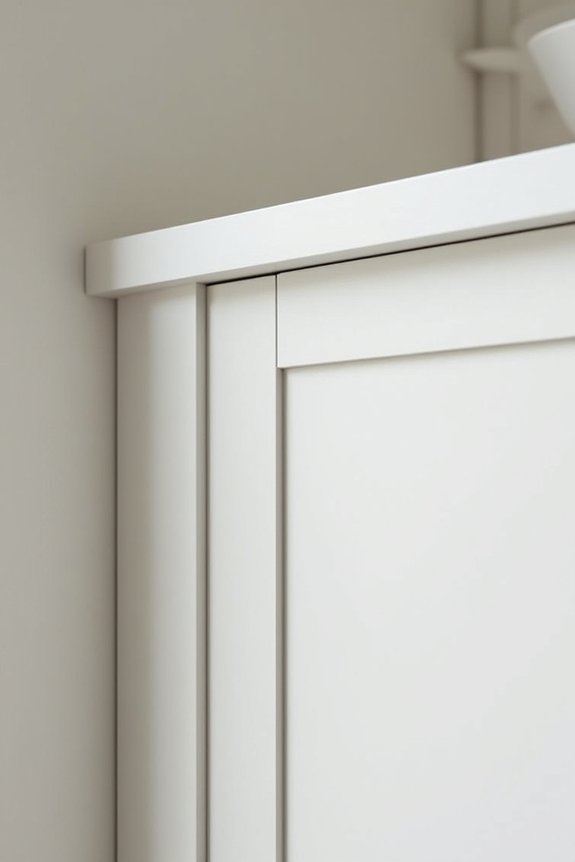
Why Are Wall Cabinets Shallower Than Base Cabinet Depths?
Have you noticed that upper kitchen cabinets don’t stick out as far as the lower ones?
1. Preserving Your Counter Space
Upper cabinets are typically 12 inches deep, while base cabinets reach 24 inches. This difference isn’t random. Shallower cabinet depths preserve your valuable countertop workspace. You have more room for appliances, meal prep, and daily tasks without feeling cramped.
2. Practical Access and Safety
Upper cabinets sit about 18 inches above your counter. This standard clearance influences why cabinet depths stay shallow. Reaching into deeper upper cabinets becomes difficult and unsafe. This design keeps everyday items within comfortable reach.
3. Visual Balance
Proportionally, shallower upper cabinets create a balanced kitchen appearance. They won’t overwhelm your space visually.
Non-Standard Depths: Galley Kitchens, Islands, and Specialty Layouts
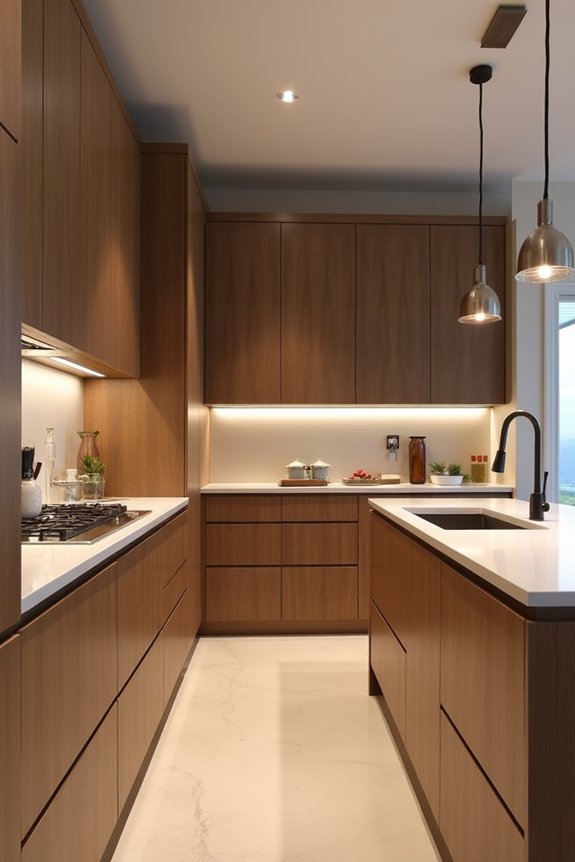
Standard cabinet depths work great for typical kitchens, but not every layout follows the same rules. Non-standard layouts require thoughtful adjustments to maximize your space.
| Layout Type | Typical Base Cabinet Depth |
|---|---|
| Galley Kitchens | 24 inches |
| Islands | 24+ inches |
| Specialty Walls | Up to 26 inches |
1. Galley Kitchen Solutions
Galley kitchens use shallower base cabinets, around 24 inches deep, keeping your walkway open and accessible. This depth balances storage with movement, making the space functional without feeling cramped.
2. Island Advantages
Islands feature deeper base cabinets, often 24 inches or more. This additional depth provides substantial storage capacity and supports larger work surfaces effectively.
3. Specialty Layout Flexibility
Non-standard layouts employ creative depths. You might choose 10 to 11 inches for a compact feel, 15 to 18 inches for bulk storage, or 26 inches beside appliances. Mixed-depth designs pair shallower uppers with deeper bases, optimizing access and sightlines in unique spaces.
Cabinet Depth and Kitchen Ergonomics: Reach, Access, and Comfort
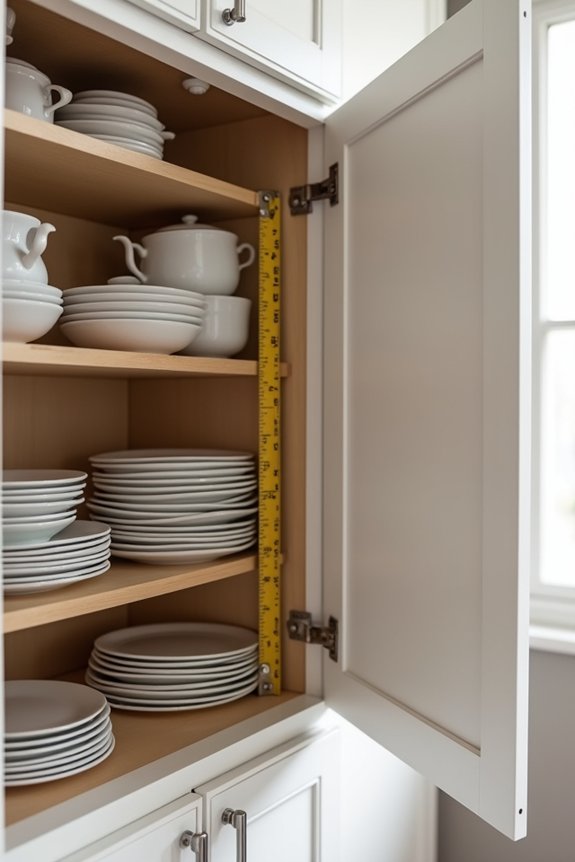
Now that we’ve explored specialized layouts, let’s consider how cabinet depth affects your daily comfort and safety in the kitchen. Think about how far you can comfortably reach into your cabinets without straining your back or shoulders; this is ergonomics in action. The depth of your cabinets directly impacts whether you’ll enjoy cooking or feel frustrated searching for items buried in the back.
Reach and Accessibility Standards
Why Cabinet Depth Matters in the Kitchen
Cabinet depth directly impacts your reachability and accessibility when cooking or grabbing dishes. Understanding these standards helps you work more efficiently while reducing strain and frustration.
Upper Cabinet Accessibility
The standard 18-inch clearance between countertops and upper cabinets creates comfortable working space. Shallower 10 to 12 inch upper cabinets improve reach in compact kitchens. Deeper 15 to 18 inch options work better if you have sufficient reach and don’t mind stretching slightly. These choices affect how easily you access everyday items without unnecessary effort or safety concerns.
Making Smart Choices
Selecting appropriate cabinet depth saves you money long-term by reducing wasted space and maximizing usability. Match your lifestyle and kitchen layout to the accessibility standards that work best for your household. The right depth prevents awkward reaching, minimizes strain on your back and shoulders, and keeps frequently used items within convenient reach.
Ergonomic Comfort During Daily Use
How do your daily kitchen tasks feel—comfortable or strained?
1. Standard Upper Cabinets Depth
Upper cabinets typically measure 12 inches deep. This standard depth works well for most kitchens. Deeper models (15 to 18 inches) exist but require more consideration.
2. Reach Accessibility Matters
A 12-inch depth optimizes reach accessibility for everyday use. You’ll access items without straining or stretching awkwardly. Deeper upper cabinet depth can make back shelves harder to reach, which affects comfort, especially if you’re shorter or taller than average.
3. Work Zone Ergonomics
The standard 18-inch clearance between countertops and upper cabinets creates proper work zone ergonomics. This spacing balances workspace with headroom. Comfortable kitchen heights reduce fatigue during cooking and cleaning. Selecting appropriate cabinet depths saves money by preventing unnecessary renovations later.
Matching Cabinet Depth to Your Kitchen Layout and Appliances
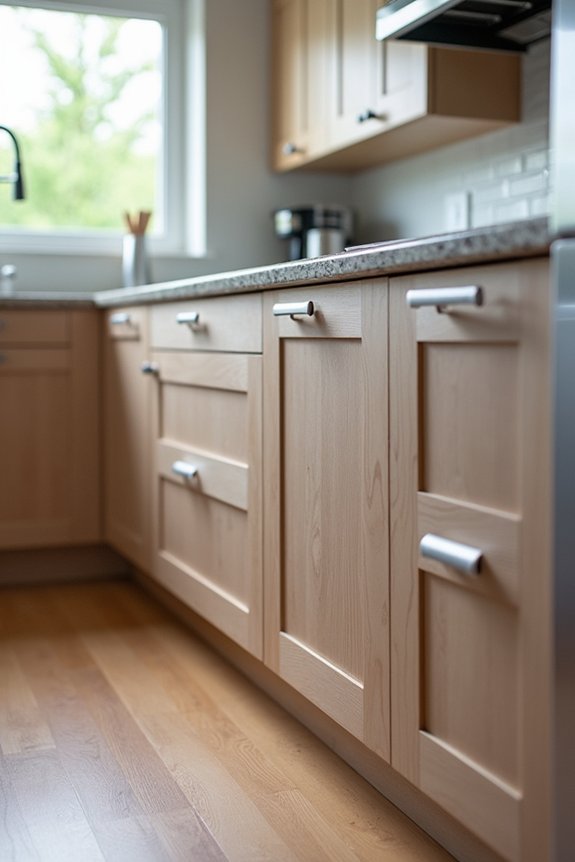
When you’re planning your kitchen layout, you need to match your cabinet depths with appliances and available space. Base cabinets typically measure 24 inches deep, while wall cabinets measure 12 inches deep. Each serves a specific function in your kitchen design.
Understanding these standard depths helps you plan an efficient layout. Base cabinets accommodate countertops and large appliances, while wall cabinets provide storage without protruding into your workspace. The 12-inch difference between them creates a functional separation.
You can customize cabinet depths for unique spaces and specific needs. Deeper base cabinets work well for islands or specialty applications. Shallower wall cabinets fit in tight areas or above windows. This flexibility allows you to address irregular room dimensions and work around existing features.
Proper depth matching prevents gaps between cabinets and appliances, reduces wasted space, and improves workflow. Taking time to measure your space and appliance specifications upfront prevents costly adjustments later. Your kitchen will function more efficiently when depths align with your layout and appliance specifications.
Appliance Integration And Fit
If you’re planning a kitchen renovation or building a new one, matching your cabinet depth to your appliances and layout matters more than you might think.
1. Planning Around Built-In Appliances
Built-in appliances demand specific base cabinet depth considerations. Your refrigerator box needs roughly 26 inches of depth. This means your base cabinet depth should align accordingly. Check your appliance specifications first before finalizing your cabinet orders.
2. Depth Alignment Chart
| Appliance Type | Required Depth | Cabinet Match |
|---|---|---|
| Built-in Oven | 26″ | Base Cabinet |
| Refrigerator Box | 26″ | Base Cabinet |
| Standard Cooktop | 24″ | Base Cabinet |
| Dishwasher | 24″ | Base Cabinet |
3. Countertop Considerations
Standard countertops sit at 25 inches deep with a 3/4-inch overhang. This affects your cabinet depth planning considerably. Your base cabinets at 24 inches work perfectly with this setup, creating a professional, integrated appearance throughout your kitchen space.
Base Depth Versus Wall Depth
Your kitchen cabinets come in two different depths, and understanding why matters for both function and appearance.
1. Base Depth Essentials
Base cabinets typically measure 24 inches deep. This depth accommodates standard appliances and allows comfortable workspace. The actual interior depth reaches 23-3/8″ after accounting for backs and nailers.
2. Wall Depth Differences
Wall cabinets are shallower at 12 inches deep; some designs reach 13-14 inches. This reduced wall depth keeps upper storage from overwhelming your kitchen visually.
3. Creating Balance
Matching cabinet depths to your layout improves both function and proportion. Deeper bases work well over appliances, while shallower uppers suit prep areas. This strategic placement maximizes accessibility and creates pleasing sightlines throughout your kitchen space.
Custom Modifications For Unique Spaces
Standard cabinet depths work well for most kitchens, but your space might need something different. Custom modifications let you match cabinet sizes to your unique layout and appliances.
1. Deeper Base Cabinets
You can increase base cabinet depth up to 24 to 27 inches. This works great when you have thicker countertops or built-in appliances. Inset bases reach about 24.5 inches, keeping fronts flush and looking polished.
2. Varied Upper Cabinet Depths
Wall cabinets don’t have to stay at standard 12 inches. You’ll find 15 to 18 inch options for specific storage needs. These deeper units balance proportions against your base cabinets beautifully.
3. Strategic Placement
Mix-depth walls solve real problems. Place deeper units over ranges or refrigerators. Keep shallower cabinets above prep zones. This preserves ergonomics, ventilation, and sightlines. You’re creating a kitchen that works for your actual needs.
Visual Weight: How Depth and Finishes Shape Perception
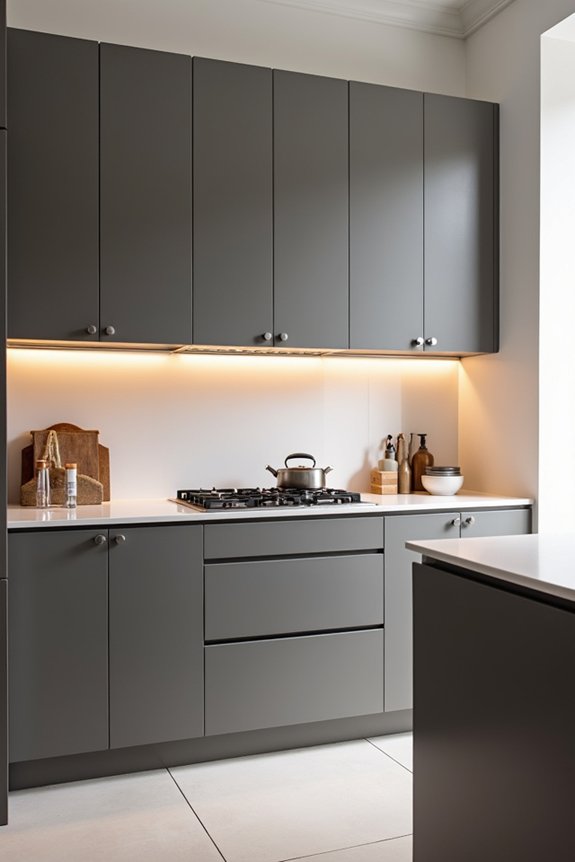
Have you ever noticed how some kitchens feel spacious while others feel cramped, even when they’re the same size?
1. How Finish Affects Depth Perception
Your cabinet finish shapes how deep your space actually feels. Gloss finishes reflect light, making cabinets appear wider and more open. Matte finishes absorb light instead, creating a heavier visual weight. This matters because darker or matte cabinets make depth feel more pronounced.
2. Balancing Depth With Your Space
Standard 12-inch upper cabinet depth interacts with lighting to influence how spacious your kitchen appears. Lighter gloss cabinets tend to feel more open and airy. Deeper wood veneers introduce texture, counterbalancing bulky proportions effectively.
3. Creating Overall Visual Balance
Your perception depends on how cabinet depth, countertop overhang, ceiling height, and lighting work together. Smart choices here maximize your kitchen’s feel without requiring renovation costs.
Custom Cabinet Depths: Adjusting Beyond Standard Sizes
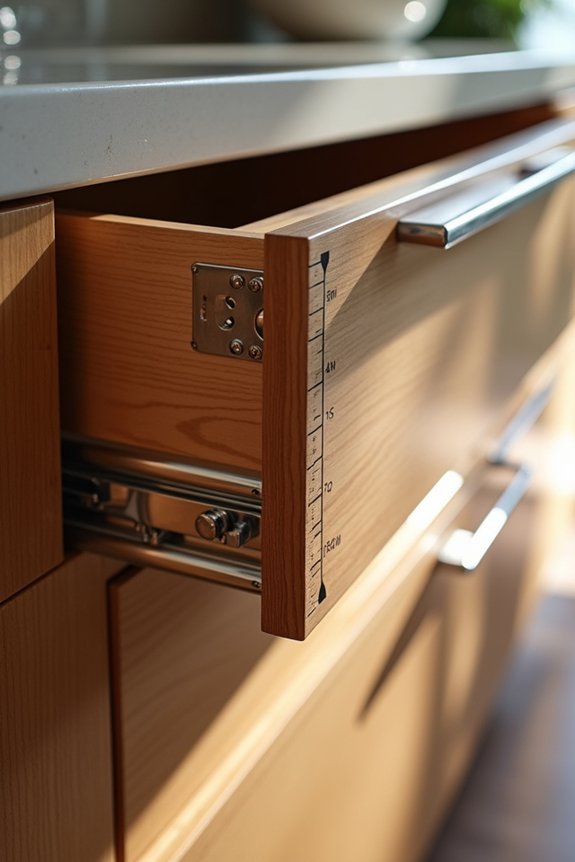
What if your kitchen’s layout doesn’t fit standard cabinet depths? You’re not alone. Non-standard and custom adjustments let you create cabinets that work perfectly for your space.
Here’s how you can personalize your setup:
- Semi-custom options offer depths from 15 to 26 inches, matching built-in appliances or unique layouts
- RTA (Ready-to-Assemble) modifications let you adjust standard base cabinet dimensions with careful planning
- Professional customization ensures your depth choices align with countertops and surrounding cabinetry
Custom depths save money by eliminating wasted space. You’ll maximize storage while keeping your kitchen balanced and functional. Planning matters though. Measure twice, order once. This approach builds confidence that your cabinets truly belong in your home.
Measure Twice, Order Once: Avoiding Depth Mistakes
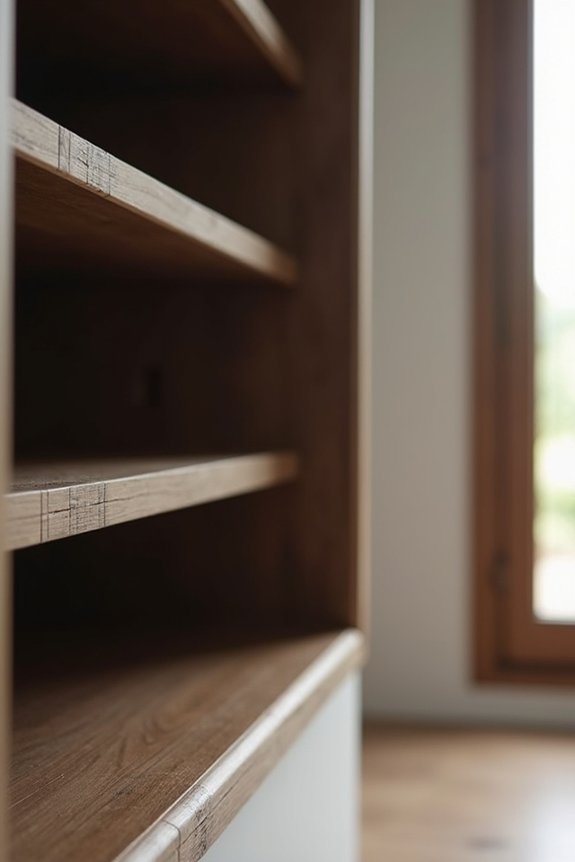
Measure Twice, Order Once: Avoiding Depth Mistakes
Once you’ve decided on custom depths, getting the measurements right becomes your next priority. Measuring twice saves money and prevents costly mistakes. Measure your kitchen’s dimensions carefully, including wall space and appliance clearances. Standard cabinet depth runs 24 inches for base units and 12 inches for wall cabinets, but your space might need adjustments.
Account for Countertop Overhang
Measure from your wall to where your countertop should end. Base cabinets typically provide a 1.5-inch overhang, reaching 36 inches overall. This prevents gaps and keeps the fit proper.
Verify Before Ordering
Before finalizing your order, confirm all measurements with your cabinet provider. Taking time now protects your investment and prevents waste, benefiting both your budget and resources.