
Start by mapping your room’s fixed features: doors, windows, and traffic patterns. These elements can’t be moved, so they should inform your layout decisions.
Next, choose one focal point (a TV or fireplace) and orient your main seating toward it.
Float your sofa on an area rug to define zones, add secondary seating pieces, and maintain clear 3-foot walkways around entry points. This approach maximizes your space while protecting flooring and reducing clutter.
The specifics of your arrangement matter far more than you might initially assume.
Identify Your Room’s Hard Constraints: Doors, Windows, and Traffic Flow
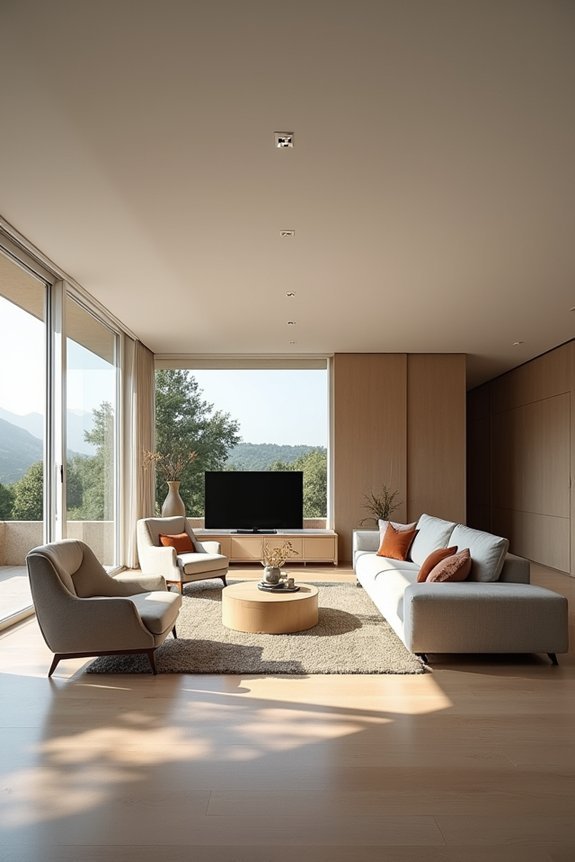
Before you arrange a single piece of furniture, map out your room’s fixed features.
Map out your room’s fixed features before arranging a single piece of furniture.
1. Locate All Entry Points
Walk through each doorway: kitchen, dining room, and backyard access. Mark where people naturally move through your space. These entry points determine traffic flow patterns you cannot change.
2. Note Window and Door Placement
Windows and sliding doors affect where you’ll place seating. You can’t move these features, so work around them. They influence sightlines and natural light patterns throughout your room.
3. Plan Clear Pathways
Avoid blocking doors with furniture clusters. Leave open corridors for easy movement. This prevents crowding and protects your investment by reducing wear on furnishings from constant repositioning.
4. Use Fixed Elements as Anchors
Bay windows, fireplaces, and sliding doors become focal points. Arrange seating to face these permanent features, creating a natural gathering space that feels welcoming and intentional.

Elegant Floral Rug: This 8x10 area rugs vintage-inspired botanical rug blends rich dark greens, vibrant and delicate floral complements any decor style, from vintage and bohemian to farmhouse and modern. Perfect rugs for living room, bedrooms, dining room rugs for under table, entryways, kids' playrooms, or home offices, it adds warmth and charm to any space. Both durable and stylish, it withstands high-traffic areas while maintaining a cozy, inviting appeal
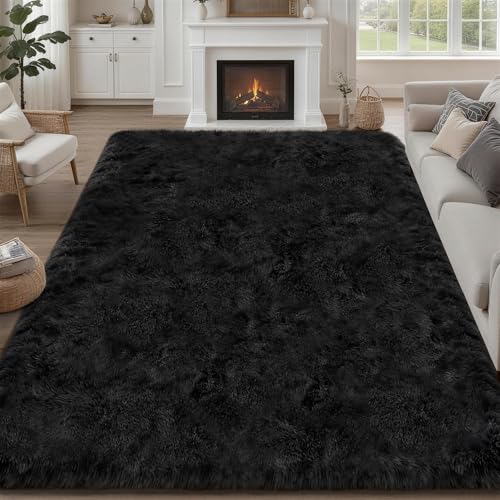
Ultra Soft Shag Rug: Experience cloud-like comfort with this fluffy 8x10 area rug. Its 1.4-inch high-density microfiber pile offers exceptional softness and gentle, soothing support whether you walk, sit, or lie down. Crafted from resilient fibers, the rugs for bedroom resists matting and retains its plush texture long-term, without shedding, fading, or retaining odors. Perfect for anchoring your living room or adding warmth to any space
Choose Your Focal Point: And Verify It Fits Your Layout
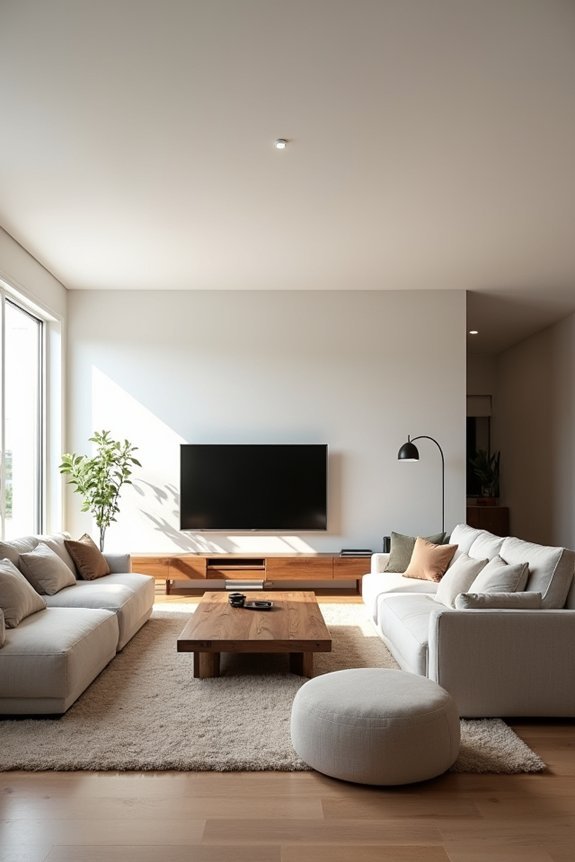
I’ll help you identify your room’s focal point and verify it works with your layout. Your focal point, typically a TV, fireplace, or architectural feature, anchors your entire furniture arrangement and determines how everything else flows. Let me walk you through finding yours and making sure it actually fits your space.
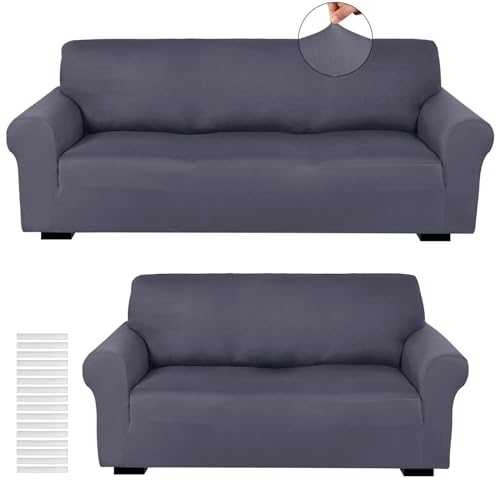
Sectional Recliner Sofa Covers Set: this couch and loveseat covers set include 1 pcs three seater sofa cover, 1 pcs loveseat cover; the size of three seater sofa cover is about 68 inches/ 173 cm to 90 inches/ 229 cm in length, and the size of loveseat cover is about 48.03 inches/ 122 cm to 67.72 inches/ 172 cm; Please refer to the measurements before purchasing


Sectional Sofa Covers Set: the sofa cover set include 1 three seater sofa cover, 1 loveseat cover, and 1 arm chair cover; the size of three seater sofa cover is about 68 inches/ 173 cm to 90 inches/ 229 cm in length, the size of loveseat cover is about 48.03 inches/ 122 cm to 67.72 inches/ 172 cmand the size of 1 seater sofa cover is about 31.89 inches/ 81 cm to 47.64 inches/ 121 cm; Please refer to the measurements before purchasing
Identifying Your Primary Focal Point
Identifying Your Primary Focal Point
Where should your furniture actually face in a rectangular living room?
1. Identify Your Main Feature
Your focal point is the feature that naturally draws your eye. It’s typically your TV or fireplace. Choose one as your primary focal point. This decision determines your entire seating arrangement.
2. Consider Both Options
If you’re torn between a TV and fireplace, pick the one you use most. Your seating arrangement should center around this choice. This creates a purposeful, cohesive room that feels organized and deliberate.
3. Plan Your Sightlines
Position your largest seating piece to face your chosen focal point directly. Ensure everyone sitting can see it clearly without obstruction. This makes your space functional and comfortable for everyone.
Identifying your primary focal point turns your rectangular living room into an organized, welcoming space that maximizes both comfort and visual appeal.
Verifying Focal Point Dimensions
Verifying Focal Point Dimensions
Now that you’ve chosen your focal point, it’s time to verify it works in your space.
1. Measure Your Wall Space
Start by measuring the wall where your focal point will go. You’ll want to confirm the TV or fireplace fits comfortably without cramping your rectangular room’s layout.
2. Check Viewing Distance
Next, measure from your main seating to the focal point. Aim for about 10 feet for comfortable viewing with a 50-inch TV. This distance reduces eye strain and improves your viewing experience.
3. Confirm Sightlines
Finally, verify that nothing blocks your view from the largest seating piece. Clear sightlines let everyone enjoy the focal point equally, maximizing your furniture investment and preventing costly rearrangements later.
Aligning Furniture To Focal Point
1. Center Your Main Sofa
Position your largest sofa directly facing your focal point. This creates the strongest sightline in your living room. Your main seating should anchor the space and command attention naturally.
2. Place Secondary Pieces Strategically
Arrange chairs and stools at angles that maintain clear views. Avoid blocking doorways or creating cramped zones. Each piece should complement your focal point without competing for attention.
3. Use an Area Rug
Position your rug so front sofa legs rest on it. This anchors your seating arrangement and defines your primary viewing zone visually. A well-placed rug protects flooring while organizing your space efficiently.
Zone Your Rectangular Room for Multiple Activities
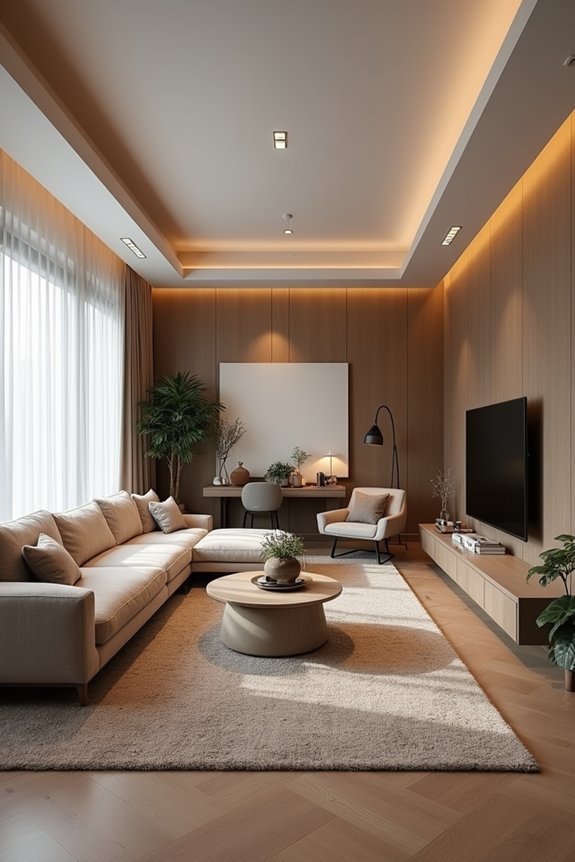
You can create a multi-purpose rectangular living room by establishing distinct zones for different activities. Furniture placement and design choices allow you to define each area while maintaining visual cohesion and an open feeling throughout the space. This method enables you to work, relax, and socialize in one room without creating clutter or a cramped atmosphere.

【Modern Fluted Design】Stylish fluted doors, smooth rounded edges, and a warm wood grain finish blend minimalist design with subtle farmhouse character, creating a versatile TV stand for a variety of interior styles

2-in-1 Convertible Design: Fireplace or Standard TV Stand Enjoy year-round versatility with this dual-purpose cabinet. Use it as a modern fluted TV stand during warm months or convert it into a cozy fireplace TV console in colder seasons. Separate packaging ensures safe delivery and easy installation, adapting seamlessly to your lifestyle.

Elegant Curved Design: This mid-century modern TV stand features a smooth arched design and glide-sliding doors that open effortlessly from side to side, blending modern aesthetics with a tangible sense of security. The rich pecan finish and natural wood grain create a unique and personalized look that complements your home decor. Rounded edges and solid wood handles add both elegance and warmth to your living space
Activity-Specific Zone Definition
Can your rectangular living room serve multiple purposes at once?
1. Define Each Zone’s Purpose
Start by identifying what activities happen in your space. A work zone needs a secretary desk with good lighting. Your hangout seating area should face a TV or fireplace for conversation. A relaxation zone requires comfortable furniture positioned away from activity.
2. Use Furniture Groupings
Arrange furniture clusters to naturally separate zones. Area rugs visually divide spaces without permanent walls, which saves money and maintains flexibility. This layout approach lets you adjust as your needs change.
3. Maintain Visual Harmony
Keep a consistent color palette across all zones. This prevents your room from feeling fragmented or cluttered, creating a cohesive, welcoming environment that functions well for daily use.
Visual Separation Without Walls
Why settle for a one-purpose living room when your rectangular space can do so much more?
1. Create Visual Zones With Area Rugs
Area rugs are an effective tool for zoning without building walls. Each rug defines a distinct activity space while keeping your room open and connected. This approach saves money on construction and maximizes your layout’s flexibility.
2. Design Multiple Activity Areas
Consider these purposeful zones:
- Work or study cluster with a desk
- Hangout zone for socializing
- Relaxation area for reading
- Entertainment space for TV viewing
3. Maintain Visual Flow
Arrange furniture to float within each zone rather than pushing everything against walls. This creates natural pathways and encourages comfortable movement throughout your rectangular room. Your zoning strategy becomes clear without feeling cramped.
Float Your Sofa to Define the Main Seating Area
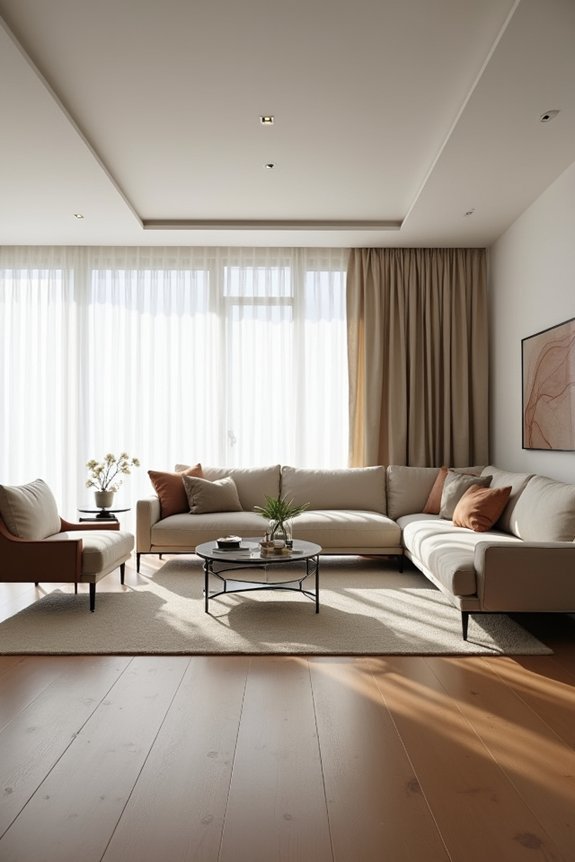
How does moving your sofa away from the wall improve your living room? A floating sofa creates a defined seating area that feels purposeful and welcoming. Instead of pushing furniture against walls, you’ll anchor your floating sofa on an area rug by positioning its front legs on the fabric. This simple shift improves sightlines throughout your space and enhances traffic flow naturally.
Your floating seating area becomes a conversation hub when you arrange additional chairs around it. Position everything facing your focal point, whether that’s a TV or fireplace, while maintaining comfortable distances. You’ll notice the room feels larger and more connected. Clear pathways around your furniture ensure easy movement and access to windows, maximizing natural light while keeping your space functional and inviting.

This accent sideboard buffet features a meticulously crafted ribbed front for a sophisticated charm. Ample storage space behind seamless doors for a perfect balance of functionality and minimalist aesthetic.

Ingenious Design: This entryway serving cabinet is crafted uniquely. It’s small and compatible outside, but has plenty of room inside. It’s featured with inwardly facing hinges, which is easier to grease and avoiding any breakages or unnecessary removal of the screwing system. The design of the magnet mechanism makes it easier to open and close the door, ensuring complete protection of the stored items.
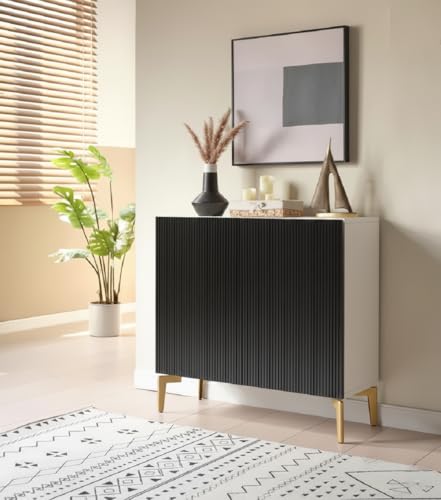
This accent sideboard buffet features a meticulously crafted ribbed front for a sophisticated charm. Ample storage space behind seamless doors for a perfect balance of functionality and minimalist aesthetic.
Use Rugs to Ground Each Zone and Guide Foot Traffic
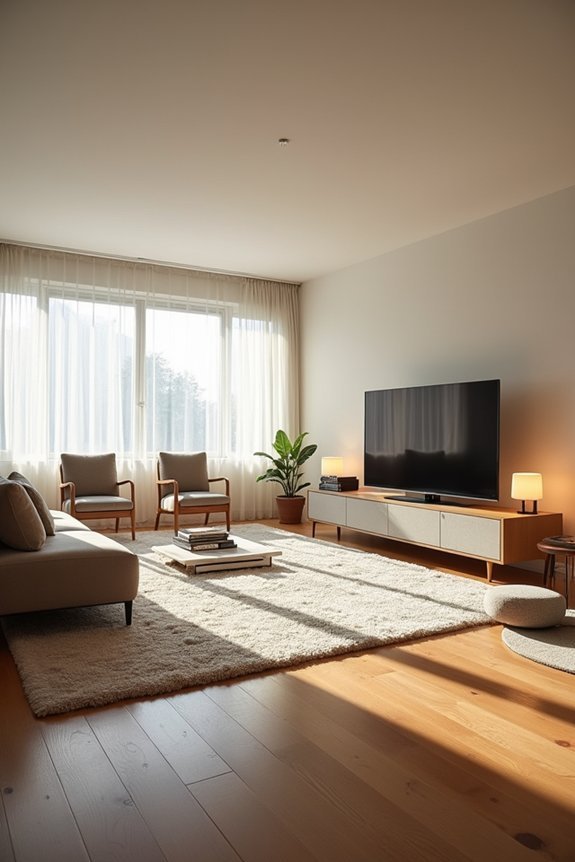
I’ll use rugs strategically to anchor each zone and keep traffic flowing smoothly through my rectangular living room. By positioning rugs under furniture clusters and layering them thoughtfully, I can visually separate activities while maintaining clear pathways. This approach maximizes my space’s functionality and makes the room feel organized.

Oversized Comfort for Relaxation: Designed with a spacious seating area, this oversized armless chair provides exceptional comfort and support, perfect for lounging, reading, or relaxing after a long day.

【Single Seat with Ottoman】This modular single seat sofa comes with a matching ottoman, creating a comfortable lounge setup for relaxing, reading, or watching TV. Perfect for apartments, bedrooms, or small living spaces

Cloud-Like Comfort: This oversized armchair is crafted with dual-layer seat cushions, paired with backrest and armrest pillows, offer exceptional support for your back and waist. Thoughtfully engineered for all-day relaxation, each seat gently conforms to your body, effortlessly blending into any home space to become the ideal lounging spot.
Rug Selection For Zones
When you’re arranging furniture in a rectangular living room, rugs become powerful tools for organizing space. Strategic rug placement and zoning create distinct activity areas while maintaining visual flow. Select rugs that anchor your seating groups and guide movement through the room naturally.
Consider these essential rug selection strategies:
- Match rug colors and patterns to your overall design scheme for cohesive continuity
- Size rugs appropriately so front furniture legs rest on them, creating defined zones
- Layer a secondary vintage rug in your middle zone to separate areas visually
- Position rugs away from entry paths to preserve sightlines and traffic flow
This approach maximizes your space efficiently while establishing clear boundaries between zones. Quality rugs last longer, reducing replacement costs and environmental waste. Your room will feel intentionally designed and welcoming.
Traffic Flow Definition
Beyond defining zones with rugs, you’ll want to guide how people typically move through your rectangular living room.
1. Create Clear Pathways
Arrange traffic corridors with at least 32 to 36 inches of walking space around furniture. This prevents your space from feeling cramped or maze-like. Clear pathways help visitors navigate naturally between entry points and different zones.
2. Pull Furniture Forward
Don’t push all pieces against walls. Instead, pull some furniture toward the center to create varied motion paths. This approach makes your rectangular living room feel intentional and welcoming rather than hollow.
3. Align Routes With Rugs
Your rugs should guide foot traffic while maintaining sightlines to focal points. This strategy saves you money by maximizing usable space and reduces wear on flooring along natural walking routes.
Anchor Furniture Placement
How do you keep your furniture arrangement from feeling scattered? Strategic rug placement grounds each zone and creates visual cohesion throughout your rectangular living room.
Consider these key placement strategies:
- Position the front legs of sofas on your main rug to anchor seating arrangements
- Use varying rug sizes to distinguish primary and secondary conversation areas
- Align rug patterns and colors with your room’s overall palette for visual flow
- Place a round coffee table on the central rug as an unobtrusive anchor
Your rug placement defines foot traffic paths and signals distinct functional zones. Larger rugs anchor main seating, while smaller rugs work for secondary conversation nooks. This approach maximizes your existing furniture investment and creates intentional spaces. Clear pathways around furniture prevent obstruction at doorways and windows, ensuring practical movement throughout your living room.
Add Secondary Seating for Flexibility and Function
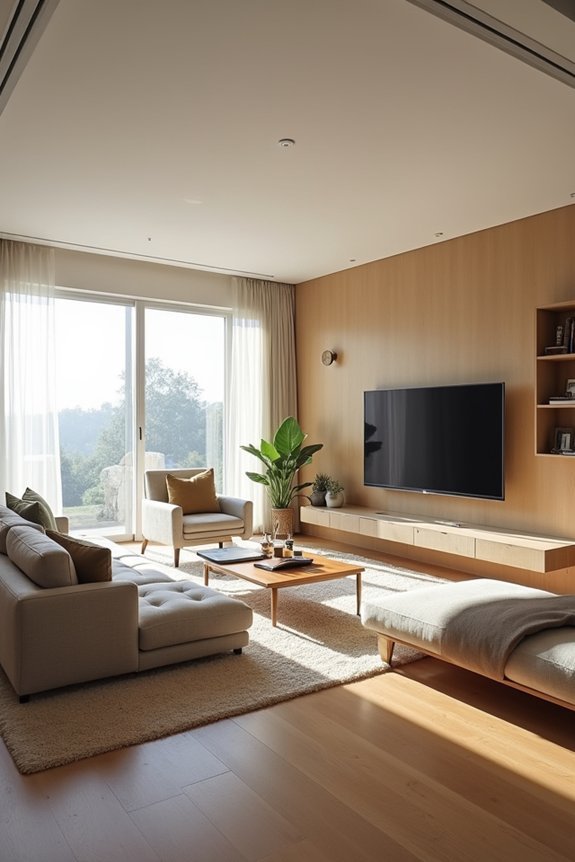
Why settle for just one seating area in your rectangular living room?
1. Create a Distinct Hangout Zone
Add a secondary seating area using a small loveseat or two swivel chairs. This creates a separate, inviting space where family and friends can gather comfortably without crowding your main sofa.
2. Define the Space Visually
Use area rugs to mark your secondary seating zone. This simple technique visually separates it from other areas while making smart use of your existing space.
3. Position for Comfort
Position secondary seating to face your focal point, whether that’s a fireplace or TV, while maintaining clear sightlines throughout the room. Choose low-profile pieces that preserve traffic flow and prevent bottlenecks. A round coffee table nearby keeps conversation accessible without creating obstacles.

A warm cream base takes up nearly half the rug, letting vivid hot pink and teal floral scrollwork take center stage, with punchy orange and navy accents woven throughout — the overall palette feels like a jewel-toned garden in full bloom.

【Modern-Abstract Retro Rug】Inspired by aged metal and burlap, this rug masters a triple texture of oxidation, peel, and sweep.Each piece is a one-of-a-kind abstract canvas of art. It instantly adds warmth and artistic allure to both modern and vintage spaces.

Tides Series – Effortless style that flows with your life.This modern machine-washable non-slip rug features reinforced edges and a low-pile design that resists dirt. Its water-repellent surface makes spills easy to clean - liquids bead up for quick wiping. Simply machine wash in cold water (no bleach) to refresh. The non-slip backing keeps it securely in place. A perfect blend of function and contemporary design for active homes.
Keep Clear Walkways: Don’t Block Doors or Windows
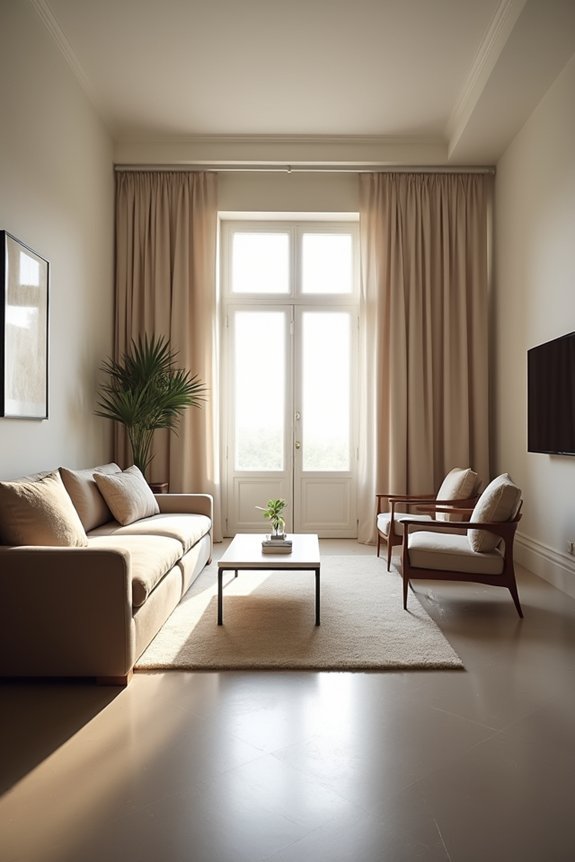
While secondary seating adds comfort and flexibility, it’s equally important to keep your rectangular living room functional and easy to navigate.
1. Prioritize Clear Pathways
Maintain at least 3 to 4 feet of open space around each doorway. This prevents people from navigating around obstacles as they move through your home.
2. Strategic Furniture Placement
Consider these guidelines:
- Position sofas away from entry doors and window openings
- Place front sofa legs on area rugs without blocking door swings
- Use slim-profile pieces near high-traffic zones
- Pull some furniture toward the center to create natural walkways
3. Maintain Sightlines
Direct seating toward your focal point (fireplace or TV) while preserving clear corridors. This arrangement keeps your rectangular living room both visually appealing and practical for everyday use.

Superior Comfort: Our L shaped couch features high-density sponge seat cushions that provides excellent support and resilience, you'll never have to worry about sinking over time, ensuring a cozy experience for you and your family whether you're sitting or lying down

【HIGH-QUALITY MATERIAL】 The surface is covered with soft fabrics, and soft pillows provide support for your back and relax you.

Superior Comfort: Our L shaped couch features high-density sponge seat cushions that provides excellent support and resilience, you'll never have to worry about sinking over time, ensuring a cozy experience for you and your family whether you're sitting or lying down
Right-Size Furniture to Match Your Room’s Proportions
What’s the secret to a comfortable rectangular living room? Right-sizing your furniture to match your room’s proportions.
1. Understanding Scale Balance
Matching furniture sizes to your space prevents cramped or empty-feeling rooms. Smaller chairs pair well with compact sectionals. Appropriately sized coffee and end tables preserve proportional relationships throughout your furniture arrangement.
2. Furniture Scale Guide
| Room Size | Recommended Pieces | Why It Works |
|---|---|---|
| Small | Slim-profile sofa, compact chairs | Maximizes width and walkways |
| Medium | L-shaped sectional, standard tables | Balances proportions naturally |
| Large | Substantial sofa, oversized ottoman | Fills space without overwhelming |
| Narrow | Two smaller sofas, low-profile pieces | Maintains sightlines and flow |
| Long | Micro seating, versatile arrangement | Opens width for movement |
3. Smart Shopping
Selecting proportional pieces saves money and space. Your rectangular living room becomes inviting, functional, and genuinely suited to your needs.

【Modern Fluted Design】Stylish fluted doors, smooth rounded edges, and a warm wood grain finish blend minimalist design with subtle farmhouse character, creating a versatile TV stand for a variety of interior styles

TV Stand with 36" Fireplace: 80"L stand integrates twelve colors electric fireplace with five dimmer levels & 12 colors LED color combos for a customizable viewing & heating experience

TV Stand with Electric Fireplace: The 36” electric fireplace with realistic crystal stones can offer 12 flame colors, creating a stunning visual effect and keep you warm. With 12 colors of backlight and 12 LED colors of light strips, users are able to create various ambience according to different needs
Balance Activity and Visual Weight Across the Full Length
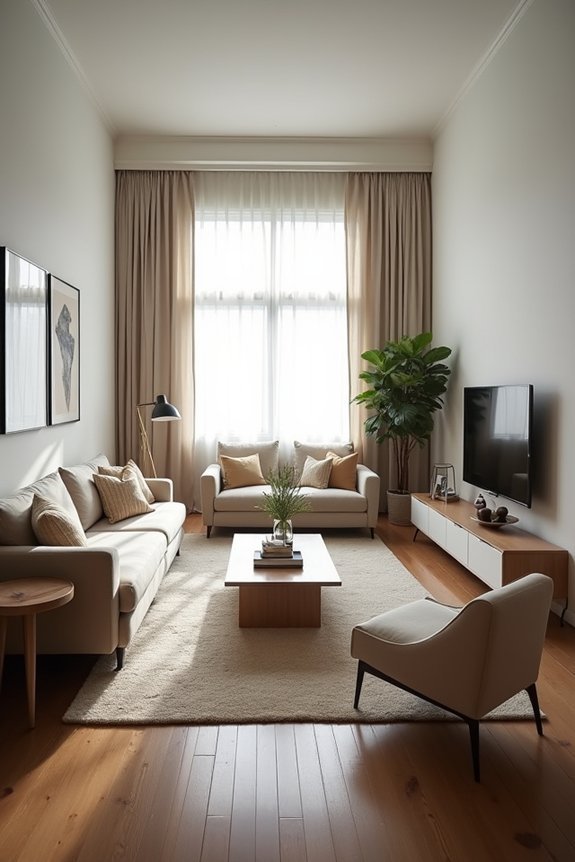
How do you keep a long rectangular room from feeling like a hallway? I distribute activity and visual weight across the entire length instead of clustering furniture in one spot.
1. Create Three Connected Zones
I establish distinct areas for working, hanging out, and relaxing. This approach:
- Spreads furniture strategically along the room’s full length
- Prevents one wall from looking overcrowded
- Encourages balanced foot traffic throughout the space
- Reduces the need for excessive pieces in one area
2. Position Seating Thoughtfully
I place primary seating facing the focal wall while positioning auxiliary pieces toward the room’s center. This seating arrangement creates varied eye movement and clear sightlines. I pull some furniture away from walls, which makes the space feel more inviting and intentional rather than pushed to edges.
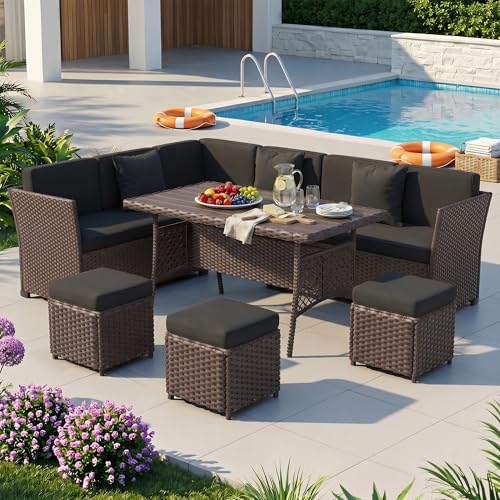
Patio Sofa Set: Includes 3 armrest loveseats, a dining table, and 3 ottomans. With flexible layouts and combinations, you can customize the set to suit your needs and maximize space utilization. This versatile patio sofa set with dining table complements any decor style and setting

AESTHETIC RUG: The area rug features a chic pattern that is both eye-catching and understated. Combining elements of vintage, boho, abstract, luxurious, minimalist, and modern design, this soft rug will add an elegant touch to your space
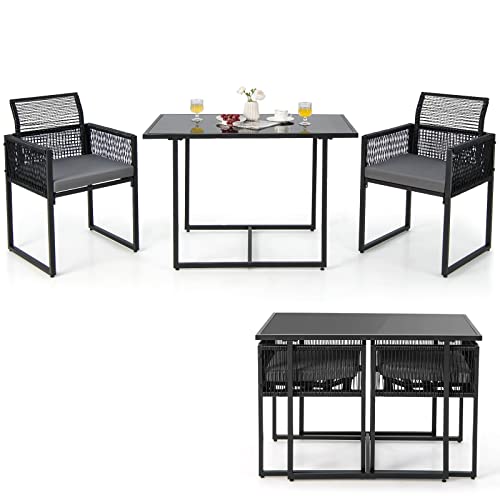
【Comfortable to Sit:】Each chair features curved backrest for cozy sitting experience. And the soft seat cushions with elastic and high-density fillings inside also provide you with optimal comfort. Moreover, each cushion is designed with a zipper for easy maintenance.
Test Your Layout Before Committing (And Adjust)
Test Your Layout Before Committing (And Adjust)
Before you push furniture against the walls for good, test several different layouts first.
1. Create Multiple Trials
Try three to five distinct arrangements. Each layout should define separate zones for working, hanging out, and relaxing. This approach helps you discover what actually works for your space and lifestyle.
2. Use Mobile Furniture
Rely on sliders or furniture with casters to rearrange easily. This eliminates heavy lifting and lets you reconfigure traffic flow without strain or damage to floors.
3. Walk Through Your Space
Test each seating arrangement by walking through the room. This confirms clear pathways and verifies unobstructed access to windows, doors, and entryways. You’ll spot problems before they become permanent.

Adjustable Backrest: The accent chair is equipped with an adjustable backrest that adapts to your different seating positions, allowing you to find the perfect angle for reading, reclining, or napping

Spacious Ergonomic Design: circular silhouette with deep seating , Round Chair Combines ergonomic curves and compact footprint, this lounge chair offers ample space to sit, curl up, or lounge comfortably for

【Single Seat with Ottoman】This modular single seat sofa comes with a matching ottoman, creating a comfortable lounge setup for relaxing, reading, or watching TV. Perfect for apartments, bedrooms, or small living spaces