
Your living room rug should start with your sofa dimensions, then extend 6–8 inches beyond each side.
Maintain 6–18 inches of bare floor between the rug’s edge and walls; this prevents a cramped feeling while anchoring furniture visually.
Standard sizes like 8×10 or 9×12 work well for most rooms.
Consider your layout: floating furniture needs larger rugs, while wall-anchored setups require less coverage.
Getting the size right saves money, reduces waste, and affects how your space feels and functions.
Calculate Your Bare Floor Margin: The 6–18 Inch Rule
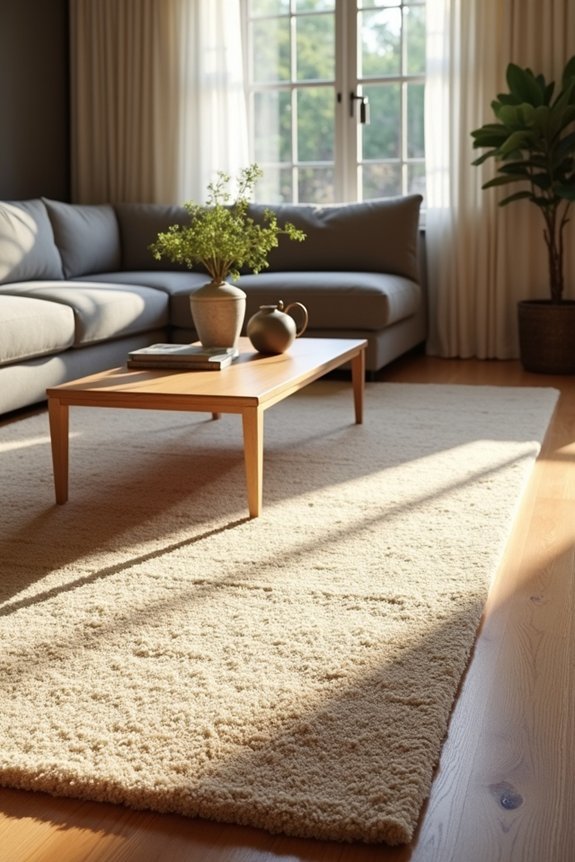

Ultra-Soft & Cushioned Low-Pile Comfort – Crafted from upgraded low-pile faux wool fibers (0.25’’ thick), this 8x10 area rug delivers a noticeably softer, more cushioned feel than ordinary washable rugs. Unlike thin mat-like rugs, it provides a cozy, plush surface that feels inviting under bare feet, while the slim profile fits easily under furniture—perfect for everyday family living.

Neutral Abstract Rug: This 8'×10' rug features a distressed abstract design in subtle tones, adding a modern, artistic touch to your space. It blends effortlessly with any home style, instantly enhancing your living room, bedroom, dining area, or office

Experience Unmatched Comfort – Ultra-Soft Low Pile Rug: The Crority living room rugs 8x10 combines durability with a luxurious feel, thanks to upgraded low-pile faux wool fibers that are just 0.25'' thick. Designed with a soft, plush surface, this rug is delightfully comfortable underfoot, offering a cozy retreat for your bare feet. Its low-pile construction makes cleaning effortless, making it a perfect choice for families with kids and pets.
How much bare floor should you leave around your rug?
Maintain 6 to 18 inches of visible floor between your rug’s edge and the wall. This bare floor margin creates a visual border that prevents your living room from feeling cramped.
Maintain 6 to 18 inches of bare floor around your rug’s edge to create visual breathing room and prevent a cramped feeling.
A larger edge distance, closer to 18 inches, makes your space feel more open and spacious. A smaller margin near 6 inches emphasizes your rug and furniture anchoring instead.
For consistent rug size choices, keep this margin even on all sides. This balanced approach prevents a wall-to-wall appearance while keeping your furniture comfortably positioned on the rug.
The right room openness depends on your preferences. Experiment with different distances until your living room feels just right for you and your family.

Soft Rugs for Living Room: Made of 100% polyester with low pile, immerse your feet in softness. You can read on the floor rug, work or take a nap, and enjoy leisure time

Machine Washable Rugs Easy to Clean: the surface is water-repellent which allows for easy cleanup when beverages are accidentally spilled, as the liquid is less likely to seep in. Simply use a towel to promptly wipe away any spills. For localized stains, you can use a cleaning agent and a damp cloth for spot cleaning, or utilize a vacuum cleaner for overall maintenance. You can also put the rug in a washing machine as it is a machine washable rug.
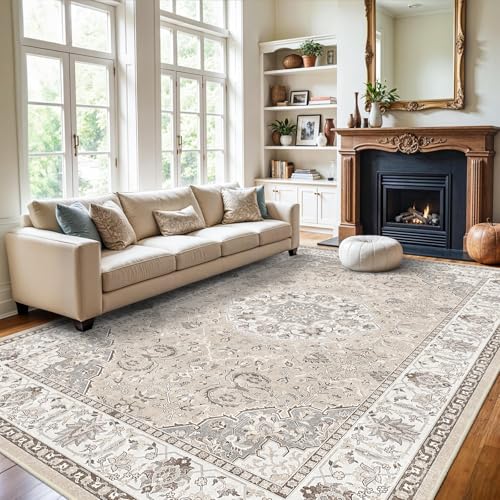
Great Value & Chic Style: This 9x12 area rug adds a vibrant touch to your living room with its beautiful colors and subtle pattern that complements your furniture and decor. It's soft to the touch and looks as elegant as more expensive entryway rugs, offering excellent value for its quality.
Measure Your Sofa First: It Determines Everything
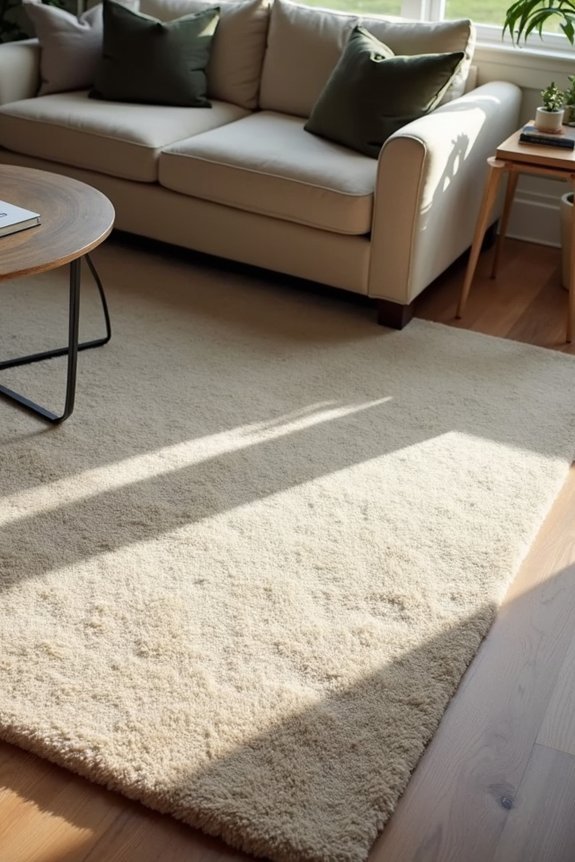
Your sofa’s dimensions are the foundation for choosing the right rug size. Measure your sofa’s length and width first, then use these measurements to calculate how far your rug should extend on all sides. This approach helps you select a rug that properly frames your seating area and prevents costly mistakes.

Elastic Patio Cushion Covers Replacement Set of 12: you will receive 12 pieces elastic sofa cushion covers,designed to fit a variety of patio chair cushions with length 19"-26" and width 20"-26", height 2"-6" ; Sufficient quantity and appropriate size to meet your use and replacement needs
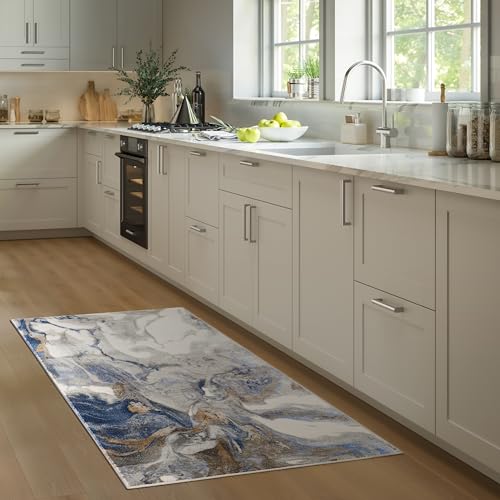
Runner SIZE: This unique 2' 6" x 6' runner rug is ideal for hallways, entryways, and alongside beds. Other sizes are available to fit any space in your home.

Sofa Length and Width
Why does your sofa matter so much when choosing a rug? Your sofa’s dimensions are the foundation for everything else.
1. Measure Your Sofa Length
Start by measuring your sofa length. This single measurement guides your entire rug-shopping decision. You’ll want your rug width to extend beyond your sofa on both sides, ideally 6 to 8 inches on each side.
2. Consider the Rug Footprint
A properly sized rug creates a cohesive seating area. Your front legs should land on the rug, anchoring your sofa and preventing that awkward floating feeling. In open plan rooms, this visual connection matters even more.
3. Plan Your Open Floor Space
Leave 12 to 18 inches of exposed floor between your rug’s edge and walls. This breathing room keeps your space feeling intentional and spacious, not cramped.
Calculating Proper Rug Extensions
Once you’ve measured your sofa, calculate how far your rug should extend beyond it. I recommend extending your rug 20–30 centimeters (8–12 inches) wider than your sofa on each side for balanced rug extensions. This approach creates a cohesive seating area that anchors your furniture placement effectively.
| Rug Anchoring Style | Leg Placement |
|---|---|
| Balanced | Front legs on rug |
| Space-Saving | All legs on rug |
| Minimal | All legs off rug |
For larger living room layouts, position front sofa legs on the rug with 12 inches of exposed floor between pieces. This rug anchoring method defines your seating area while maintaining visual flow. In tight spaces, choose either all legs on or all legs off the rug, whichever minimizes visible leg appearance. Smart furniture placement maximizes your rug size investment and saves money long-term.
Standard Sizing Guidelines Reference
Measuring your sofa first sets the foundation for everything that follows. I’ll guide you through standard sizing guidelines that make selecting the right rug straightforward.
Key Measurement Principles:
- Measure your sofa’s length and width before shopping for rug sizes
- Extend the rug 20–30 centimeters beyond each sofa side for balanced proportions
- Position the front legs on the rug to anchor your living room seating area
- Leave approximately 40 centimeters of visible floor space between the rug edge and walls
- Choose common rug sizes like 8×10, 9×12, or 10×14 as starting points
These standard sizing guidelines help you select a rug that works under your furniture and creates a cohesive look. By following this approach, you’ll make a smart investment in a rug that fits your space properly, avoiding costly mistakes while making the most of your room’s visual appeal and functionality.
Standard Living Room Rug Sizes and Which to Choose
How do you pick the right rug size? I’ll help you navigate the most common options available.
1. Popular Dimensions
The three standard rug sizes I recommend are 8×10, 9×12, and 10×14. Most living rooms work well with 8×10 or 9×12 rugs, making them smart, budget-friendly choices.
2. Finding Your Fit
I suggest leaving 6 inches of visible floor between your rug edge and wall for balance. Your rug under front legs should extend 8 to 12 inches beyond your seating area on each side. This positioning anchors your furniture naturally.
3. Room-Specific Tips
For open-plan spaces, choose an oversized rug to connect your seating area visually. Long or narrow living rooms benefit from wider rugs that accommodate traffic flow without wasting space. Selecting the right rug size maximizes comfort and value.

WALL-MOUNTED ENTERTAINMENT CENTER — Designed to hold TVs up to 90 inches, this floating unit measures 78.7" W x 15.7" D x 16.5" H, maximizing floor space while adding a sleek, modern look to living rooms or bedrooms.

MACHINE WASHABLE RUGS: Our rugs for living room are machine washable, so you can say goodbye to the hassle of carpet cleaning. Please machine wash in cold bleach-free water and air dry naturally. If the opening of your home washing machine is too small, we recommend using a commercial washing machine to clean large area rug

We know you will love your new modern abstract Rug Avaliable sizes 5x7, 8x10, 4x6, 2x7 and 2x3
Room Shape, Layout, and Traffic Flow Constraints
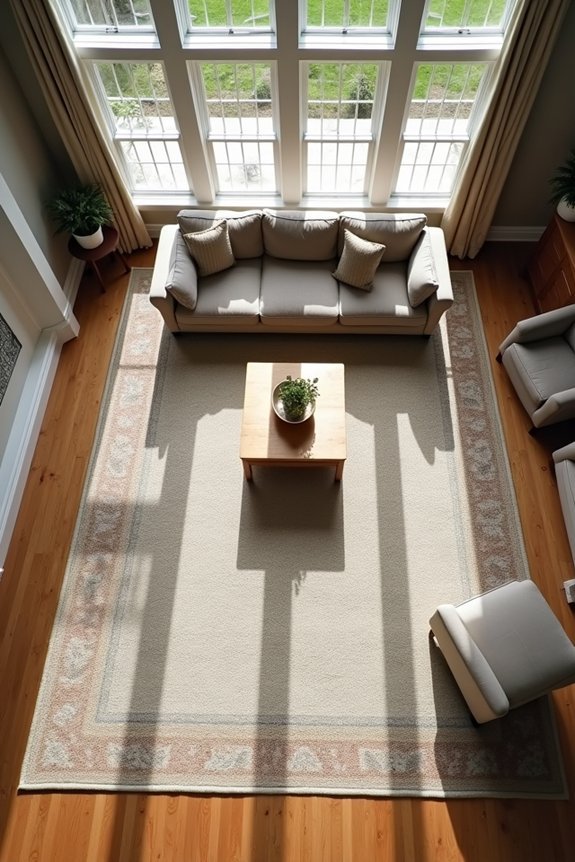
Your room’s shape and layout dramatically affect which rug size works best for you. Understanding how to match your rug to your space’s unique dimensions and traffic patterns is essential for avoiding that awkward, disconnected feeling where your rug looks too small for the room.
Consider your room’s footprint first. Rectangular spaces call for different proportions than square or L-shaped rooms. In a rectangular living room, a rug should ideally extend under at least the front legs of your seating arrangement, creating a visual anchor. Square rooms offer more flexibility; you can center a rug or position it to define a specific seating zone.
Traffic flow matters significantly. High-traffic areas benefit from smaller, well-placed rugs that won’t create tripping hazards or shift underfoot. In contrast, low-traffic rooms like bedrooms can accommodate larger rugs that extend nearly wall-to-wall. Think about natural pathways through your space: entry points, hallways, and routes to main focal points.
Furniture arrangement determines rug placement. If your sofa floats in the center of the room, your rug should support that layout by anchoring the seating group. When furniture sits against walls, a rug needs only to ground the conversation area partially. Dining rooms follow different rules; your rug should extend at least 24 inches beyond the table on all sides so chairs sit fully on the rug when pulled out.
Ceiling height and room proportions also play a role. Larger rugs in rooms with high ceilings help balance vertical space. Smaller rooms with lower ceilings benefit from appropriately scaled rugs that don’t overwhelm the area. Pay attention to how the rug’s dimensions complement your walls and furniture scale rather than fight against them.

Luxuriously Soft & Non-Slip: This 8x10 area rugs features dense low-pile for ultra-soft underfoot comfort. Enhanced TPR non-slip backing keeps it securely in place on all floors, providing peace of mind for families with kids and pets

Machine Washable Rugs: This washable rug is designed for easy cleaning. Small liquid stains can be wiped away with a damp cloth, and dust can be easily removed with a vacuum cleaner. For deeper cleaning, simply toss the rug into the washing machine to restore its fresh, clean appearance. The 8x10 washable rug is perfect for busy households

MACHINE WASHABLE & EFFORTLESS: Ultra-Thin, stable and real upgrade, cotiled area rug fits most standard home washers (recommended under 8 lbs). Enjoy 3 simple cleaning options: toss it in the washer, spot clean spills with a cloth, or use a robot vacuum.
Long Rooms Require Lengthwise Orientation
When you position your rug along the room’s length, you create a visual corridor that guides the eye naturally through the space. This approach prevents the “chopped” appearance that short, crosswise rugs create.
Lengthwise orientation accomplishes several practical goals:
- Avoids truncating your long rooms visually
- Supports defining living areas in open layouts
- Maintains clear sightlines for better circulation
- Accommodates multiple furniture pieces along the length
- Extends rug size benefits throughout the space
Positioning your rug this way means selecting a larger rug size that sits under key furniture rather than stopping abruptly. A balanced room layout maximizes both visual appeal and practical furniture placement. This approach creates a cohesive living room that functions well for daily use.
Open Concept Traffic Flow Management
Open-concept living requires a different rug strategy than traditional single rooms. Thoughtful rug placement creates natural zones while maintaining smooth traffic flow throughout your space.
| Layout Type | Walk Clearance | Rug Strategy |
|---|---|---|
| Spacious | 30–36 inches | Single oversized rug |
| Moderate | 24–30 inches | Layered rugs |
| Tight | 18–24 inches | Smaller, focused rugs |
| Multi-zone | Variable | Multiple area rugs |
| High-traffic | 30+ inches | Perimeter placement |
1. Define Zones Without Walls
Rugs effectively separate living from dining areas. A larger rug anchors furniture groups while smaller rugs layer on top, creating visual interest without disconnection.
2. Maintain Clear Pathways
Consistent walk clearance between furniture pieces prevents cramped feelings and protects your investment by reducing furniture wear from constant navigation.
3. Avoid Problem Areas
Check for vents and wall orientations before purchasing. Incorrect placement wastes space and blocks heating efficiency.
Avoiding Chopped Visual Effects
Why does a rug sometimes make a room feel cramped or visually cut off? The answer lies in how you position your rug relative to your room layout and furniture placement.
Strategic rug sizing prevents that awkward, disconnected feeling. Here’s what works:
- Extend your rug at least 6 inches wider on each sofa side; 8 inches is ideal
- Keep all sofa legs completely on or off the rug cohesively
- Maintain 30 to 36 inches of walkway clearance between large furniture pieces
- Orient longer rugs along room length to maximize perceived space
- Use balance and proportion to avoid wall-to-wall crowding
When you follow these guidelines, your rug anchors the space without creating visual chop. Your room will feel well-organized, spacious, and proportional, regardless of rug size or room shape.
Floating vs. Wall-Anchored Furniture: Rug Size Shifts
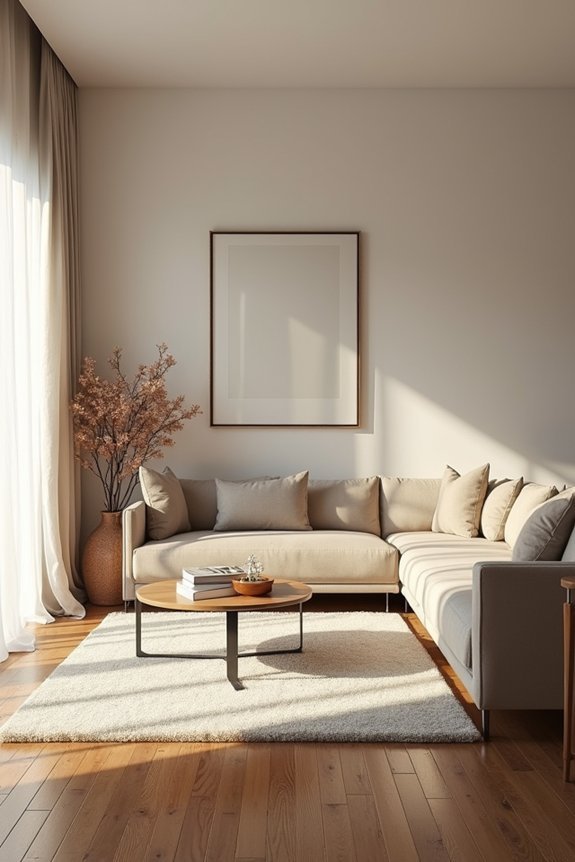
Floating vs. Wall-Anchored Furniture: Rug Size Shifts
How you position your furniture dramatically changes the rug size you’ll need.
1. Floating Furniture Layouts
When your sofa and chairs don’t touch walls, you’ll want a larger rug. The front legs of your seating should sit on the rug to ground the arrangement visually. This creates a cohesive gathering space that feels connected and deliberate. A larger rug prevents your floating furniture from appearing scattered or disconnected in the room.
2. Wall-Anchored Furniture
If your sofa’s against the wall, you need less rug. Extend the rug about 20–30 centimeters beyond each side for balance. This approach saves money and materials while maintaining visual harmony with your wall.
3. The Key Difference
Your furniture placement determines your rug investment. Choosing wisely reduces waste and maximizes your space’s potential.

MACHINE WASHABLE: You can toss this lightweight rug into the washing machine for a quick wash with cold water and then dry it without heat, and it comes out just as good as new. Washable rugs are geared to make your life easier especially if you have children or cats and a dog
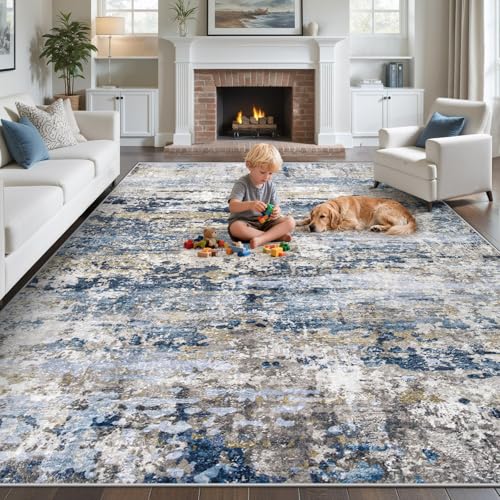
Machine Washable Area Rugs: Our living room rug, one of the 9x12 area rugs, surfaces is resistant to stains and dirt, and can be easily cleaned with a rag or vacuum cleaner; for deep cleaning, use a washing machine

Ultra Soft & Non-slip: Featuring a shaggy carpet surface, the Ophanie soft area rug is highly soft with a high-density sponge interlayer. This rug effectively reduces shedding, and the non-slip bottom with small, durable anti-slip dots enhances friction to prevent sliding.
Should All Your Sofa Legs Sit on the Rug?
When you’re sizing your rug, one key decision is whether all your sofa legs should sit on it. I’ll walk you through the all-on rule and how adjusting leg placement affects your room’s balance and visual appeal. Let’s explore what works best for your space.

Elastic Patio Cushion Covers Replacement Set of 12: you will receive 12 pieces elastic sofa cushion covers,designed to fit a variety of patio chair cushions with length 19"-26" and width 20"-26", height 2"-6" ; Sufficient quantity and appropriate size to meet your use and replacement needs

✅MATERIAL PROPERTIES-----The Hook and Loop made of 100% nylon. The products in line with ROHS,OKEO-TEX,TESTEX Organization Certification. It's not easy to burn. And the material of it is very soft. Polyester materials and polyester/nylon blended materials can not be compared, no matter in terms of product safety, service life, service effect and weaving density.

Comfort Boho Distressed Area Rugs : The vintage area rug is 4 X 6 feet, that enable you get enough space,the 0.39inch polyester faric, surprisingly soft for being touch plush yet stand up to high traffic, which is comfortable, warm and durable, providing great comfort for your bare feet.
The All-On Rule
One of the easiest ways to ground your living room is following the All-On Rule. This approach minimizes visual imbalance by keeping either all sofa legs on the rug or all sofa legs off it; no mixing is allowed. Here’s what I recommend:
- Choose the all-on approach when you want maximum balance and cohesion
- Ensure your rug width accommodates the sofa plus 8-inch margins on each side
- Select the all-off method to anchor your coffee table and front seating legs instead
- Prioritize front legs on the rug when space is limited in your living room
- Adjust placement based on which legs appear least noticeable at the rug’s edge
This consistent rug size strategy effectively grounds your seating area while creating intentional living room rug placement. You’ll achieve professional balance without overthinking.
Adjusting For Leg Placement
Adjusting For Leg Placement
Whether you’re placing a sofa on your rug matters more than you might think. Understanding the best approach for your space will help you achieve a balanced layout.
1. The Front Legs Rule
Place your rug so the front legs of your sofa sit on it. This anchors your seating area and defines your living zone effectively. It creates visual cohesion throughout the room.
2. All-On Versus All-Off
Aim for either all sofa legs on the rug or none at all. This consistency looks intentional and balanced. If all legs sit on it, extend your rug footprint 20 to 30 centimeters beyond the sofa sides.
3. When Space Is Tight
Tight layouts require compromise. Keep all legs off the rug if needed. This approach maintains visual cohesion while maximizing your open layout efficiently.
Spot Undersized Rugs Before Buying (And What They Signal)
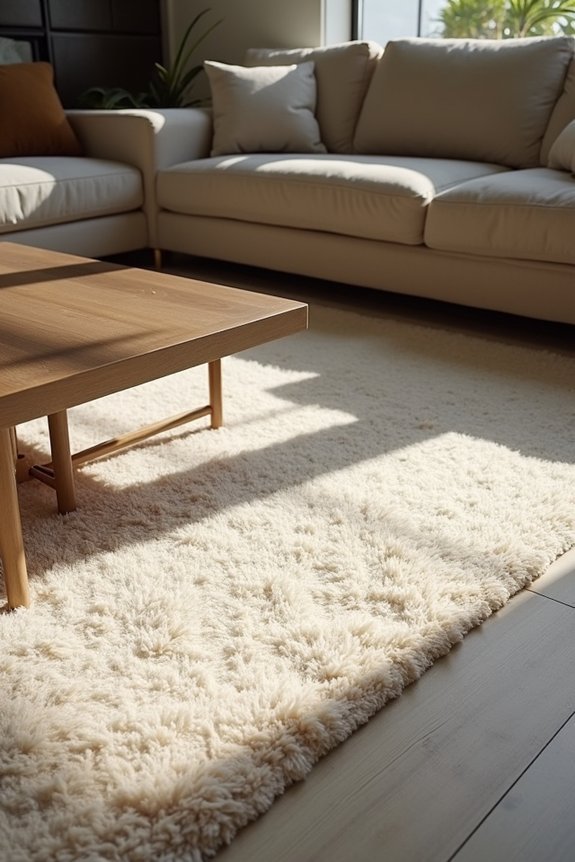
How can you tell if a rug’s too small for your living room?
I can spot an undersized rug by watching for these telltale signs:
- Sofa legs extend beyond the rug’s edges, creating a disconnected look
- Less than 6 inches of visible floor shows between the rug border and walls
- The seating area feels isolated from the rest of your space
- Furniture appears to float awkwardly rather than anchoring the room
- You’re tempted to layer rugs, signaling your primary rug is inadequate
An undersized rug fails to visualize scale properly across your floor space. When sofas don’t sit at least 8 to 12 inches wider than the rug on each side, the whole room feels disjointed. Recognizing these signals before buying saves money and prevents unnecessary layering of rugs. Your space will feel more intentional and unified when you get the sizing right.

We know you will love your new modern abstract Rug Avaliable sizes 5x7, 8x10, 4x6, 2x7 and 2x3
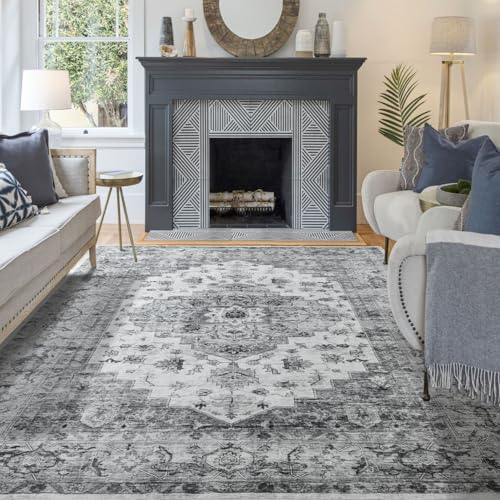
【Premium Quality】Expertly machine-woven from durable synthetic fibers with reinforced edges, this Syalife rug offers superior softness, stain resistance, and minimal shedding

Modern Geometric Area Rug: Crafted with precision, this indoor area rug redefines home decor through geometric patchwork, blending mid-century modernism with the modern interiors. Crisp lines piece together this patchwork geometric and colors element, ideal for interior decorating, a perfect blend of vintage and modern chic. Stylish modern rugs are the perfect floor decor to add a well-designed artistic atmosphere and innovative feel to a room
Custom Sizing: When Standard Dimensions Won’t Work
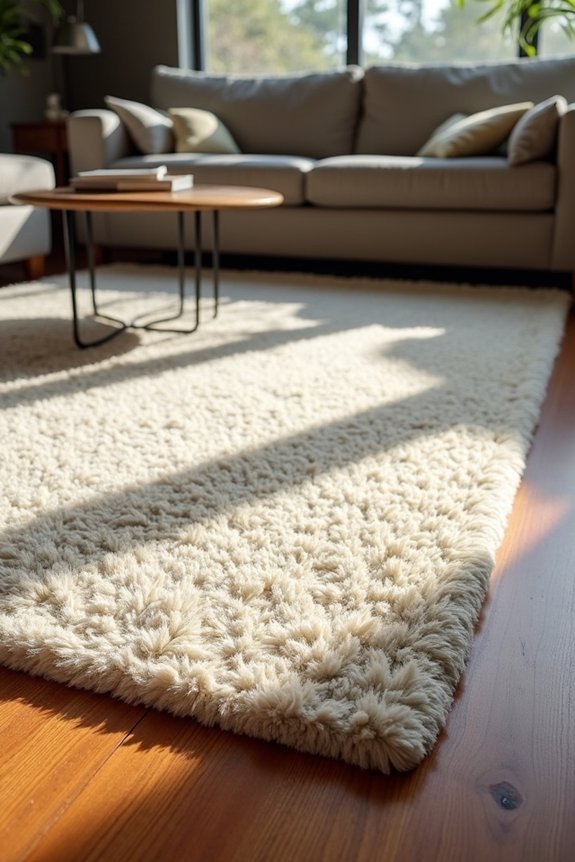
What if your living room doesn’t fit standard dimensions? Custom sizing offers solutions for tricky spaces. King Living provides standard options like 200×300 cm and 260×360 cm, plus custom alternatives when you need something different.
1. Creating Your Perfect Rug Footprint
I recommend ensuring your custom rug extends 20 to 30 cm wider than your sofa on each side. This anchor seating approach creates balance. Leave about 40 cm of floor space to walls for a spacious, intentional feel.
2. Solving Open Layouts
Open layouts benefit from custom rugs that prevent a chopped appearance. When furniture pieces sit within your rug footprint, you achieve a unified look that ties rooms together naturally.
3. Checking Practical Constraints
Always verify wall distance and vent placement before ordering. These practical constraints prevent creasing and alignment issues that compromise your investment.

Cute floral Design:This living room rug combines colorful flower and boho elements,making it the perfect choice for homes.With its digitally printed design,the pattern and lines are gentle,while the colors are more bright and vibrant.It can create a cozy and warm atmosphere for your decor

Ultra-Soft Area Rug: The surface of the living room rugs 8x10 are made of 100% durable polyester low pile fibers, super soft and comfortable when you step on it with bare feet. All of our washable rugs 8x10 are non-shedding and stain-resistant.
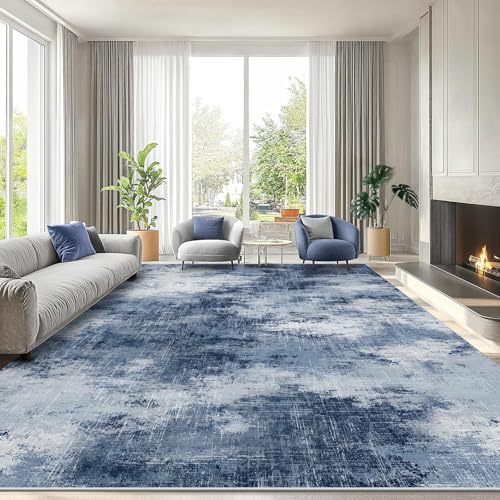
【Modern Abstract Design】This Ideal size 8x10 area rugs features an irregular, abstract pattern that blends complementary shades in a striking way to create texture & feeling. Its unique design brings personality & flair to your space, enhancing the overall aesthetic of your home.
Layering Rugs to Add Depth Without Overwhelming Small Spaces
Layering rugs isn’t just a design trick; it’s a practical solution for adding visual interest while keeping your space from feeling cramped. Here’s how to create dimension without crowding your room.
- Choose the right underlayer size: Use a larger base rug (9×12 or bigger) beneath your smaller focal rug
- Pick natural underlayment materials: Sisal, jute, and seagrass provide texture and grip while staying eco-friendly
- Maintain visible floor showing: Keep 6-18 inches of bare floor visible around edges to prevent a chopped appearance
- Prevent slipping: Apply anti-slip underlay to protect your floors and keep rugs anchored securely
- Anchor furniture strategically: Layer rugs extend your footprint without blocking walkways
This approach gives you depth while protecting your investment and floors.

[Modern Abstract Area Rug] - Add a pop of color to your living room or bedroom with this area rug. Designed with a delicate palette, this collection impresses with an abstract print with splashes of red, blue, yellow

Ultra Soft Fluffy Area Rugs for Living Room: 9x12 shag rug treat your feet to cloud-like comfort with our ultra-soft, high-density plush microfiber pile—designed to stay fluffier longer without shedding. Whether walking, sitting, or lying down, each step feels luxuriously soft. Furry fibers resist matting, keeping the plush texture season after season. Ideal for bedroom, living room, or nursery

Elegant Floral Rug: This 9x12 area rug vintage-inspired botanical rug blends rich dark greens, vibrant and delicate floral complements any decor style, from vintage and bohemian to farmhouse and modern. Perfect rugs for living room, bedrooms, dining room rugs for under table, entryways, kids' playrooms, or home offices, it adds warmth and charm to any space. Both durable and stylish, it withstands high-traffic areas while maintaining a cozy, inviting appeal
Why Oversized Rugs Create Visual Flow (Even in Tight Spaces)
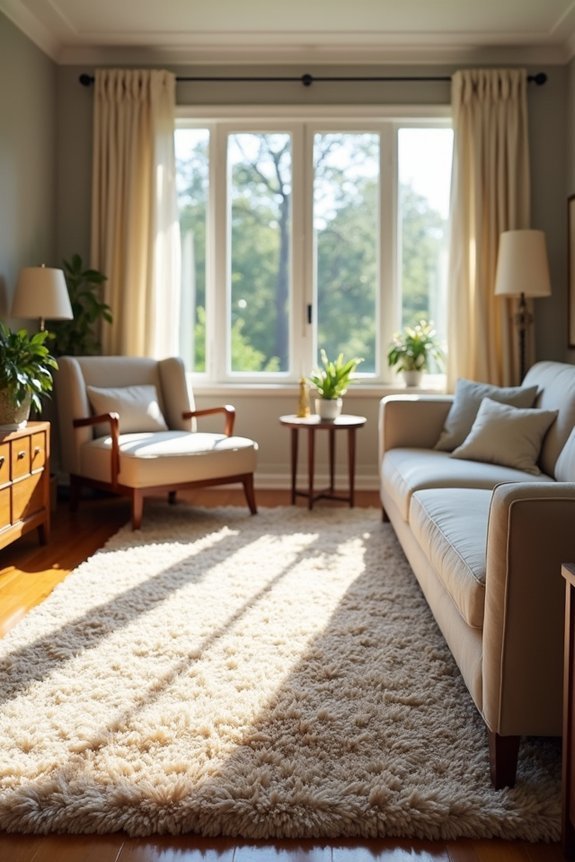
Why Oversized Rugs Create Visual Flow (Even in Tight Spaces)
While layering rugs builds depth in smaller rooms, oversized rugs accomplish something equally powerful: they create visual flow that makes any space, whether tight or spacious, feel intentional and connected.
1. How Oversized Rugs Anchor Your Living Room
Oversized rugs act as furniture anchors, grouping your seating together visually. Instead of pieces feeling scattered, they unite under one cohesive footprint. This anchoring effect changes how your living room functions and feels.
2. Defining Space in Open-Concept Layouts
In open-concept homes, oversized rugs define zones without walls. They separate your living room from dining areas while maintaining movement through walkways. Leaving 6–18 inches of exposed floor prevents a cramped appearance, preserving that essential openness. Your rug size becomes your invisible boundary, creating purpose-driven spaces within one flowing area.