

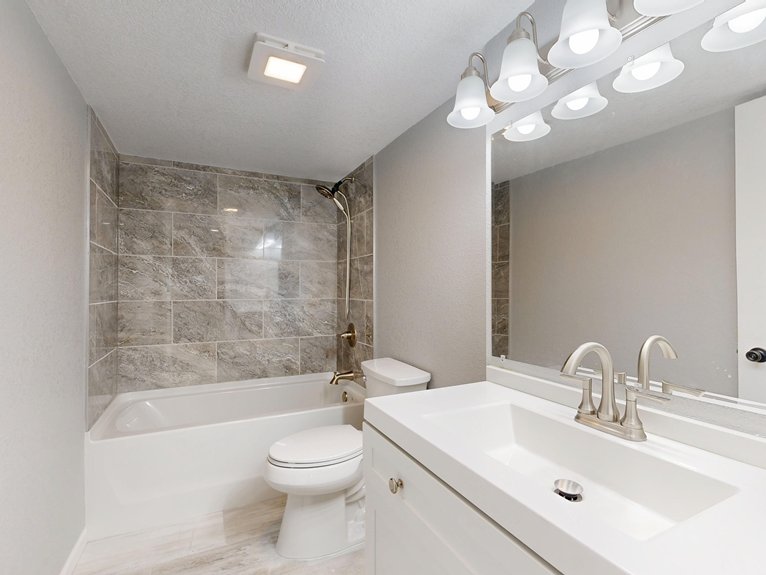
Most bathroom renovations require permits. Any work involving plumbing, electrical, or structural changes needs approval from your local building department. Cosmetic updates, such as painting or replacing fixtures in existing spots, typically don’t require permits.
Getting permits upfront costs between $300 and $2,000 but saves you thousands in fines, insurance denials, and resale problems. Skipping permits risks daily penalties up to $500 and jeopardizes your home’s value.
Contact your local building department before starting to confirm which permits apply to your specific project.
Why Building Permits Exist (And Why They Matter)
1. Safety First
Building permits protect you and your home. Local building departments require inspections to ensure renovations meet safety codes. These checks identify potential hazards before they become dangerous problems.
2. Structural Integrity
Bathroom renovations often involve plumbing, electrical work, or structural changes. Inspections verify that these modifications won’t compromise your home’s foundation or systems. You’re investing in quality work that lasts.
3. Peace of Mind
When you pull permits, you document compliance with applicable codes. This creates an official record proving your work meets standards. You’ll avoid costly fines and enforcement actions later.
4. Future Protection
Permitted work protects your resale value and insurance coverage. Buyers want homes with documented, compliant renovations.
Cosmetic Updates That Don’t Require a Permit
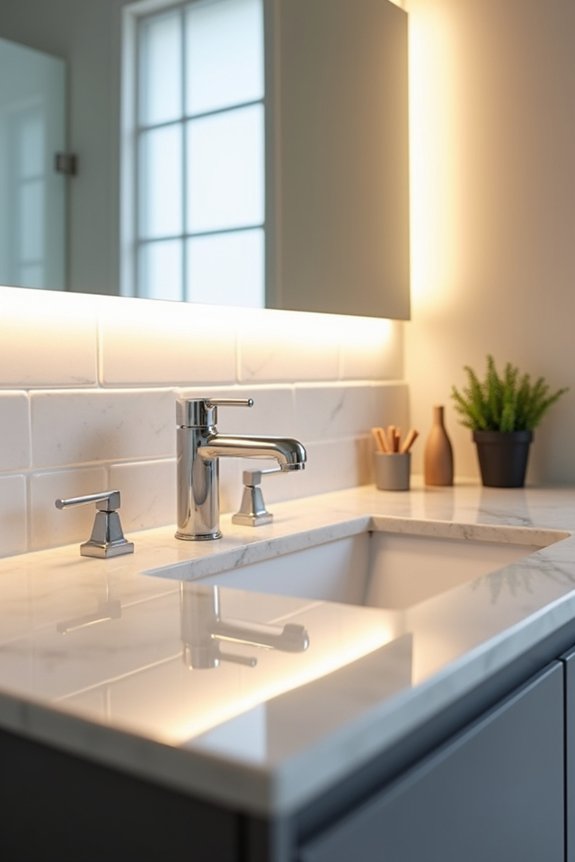
What counts as a cosmetic bathroom update? I’m talking about changes that don’t touch your plumbing, electrical systems, or structure. These projects typically skip the permit process entirely.
| Update | Permit Needed? | Why |
|---|---|---|
| Painting walls or cabinets | No | Aesthetic only |
| Replacing vanity (same spot) | No | No plumbing moved |
| New flooring over subfloor | No | Existing base intact |
1. Common Cosmetic Projects
You can swap mirrors, replace light fixtures without rewiring, or install new toilets in existing locations without permits. These bathroom renovation tasks fall squarely into cosmetic territory.
2. Check Local Building Codes
Permit requirements vary by jurisdiction, however. Historic buildings or HOA agreements may impose additional rules. Always verify with your local building department before starting any project.
Projects That Always Require a Permit
While cosmetic updates can refresh your bathroom’s appearance without permits, anything that modifies your home’s structural elements requires official approval. Here are the projects that always demand permits.
1. Plumbing Work
Any bathroom renovation involving plumbing requires a permit. This includes relocating fixtures, adding new ones, or moving pipes behind walls. These changes affect your home’s infrastructure and safety systems.
2. Electrical Updates
Installing new outlets, lighting, or ventilation fans needs permits. Electrical work demands professional inspection to prevent hazards and ensure code compliance.
3. Structural Changes
Opening walls, removing load-bearing components, or creating new bathrooms mandates permits. These modifications affect your home’s foundation and overall stability.
4. HVAC Installation
Adding ductwork or new ventilation systems requires official approval and inspection before completion.
Plumbing and Electrical Work: The Non-Negotiable Rule
Plumbing and Electrical Work: The Non-Negotiable Rule
Since these systems directly impact your home’s safety and function, you’ll need permits for virtually any plumbing or electrical changes in your bathroom.
1. Plumbing Work Requires Permits
Moving pipes for your sink, toilet, or shower always requires a permit. Installing new plumbing lines triggers building department oversight. These changes affect your home’s water systems and safety.
2. Electrical Work Isn’t Optional
Upgrading circuits, relocating wiring, or adding outlets demands permits too. Even minor electrical bathroom changes need approval from your building department. This protects your home from fire hazards and electrical problems.
3. Check Local Rules
Your city or county has specific permit requirements. Contact your building department before starting any work. They’ll explain what you need and help you avoid costly mistakes later.
Does Your Bathroom Remodel Need a Massachusetts Permit?
In Massachusetts, you’ll almost certainly need a permit if you’re planning major bathroom work. If your project involves structural changes, layout modifications, or significant renovations, a building permit is required to comply with 780 CMR standards.
1. Plumbing and Electrical Permits
Plumbing and electrical permits are mandatory. You’ll need plumbing permits for fixture relocations and new installations. Electrical permits cover new circuits, outlets, lighting upgrades, and GFCI improvements.
2. Additional Permits
Mechanical permits apply when you’re modifying ventilation or heating systems, including exhaust fans or duct changes.
3. Cost and Timeline
Massachusetts permits typically range from $300 to $2,000 total. Processing takes one to two weeks for simple projects and four to eight weeks for complex work. Coordinating multiple departments helps your bathroom remodel meet all regulations safely.
Massachusetts Permit Rules: State Code vs. Local Requirements
How do Massachusetts state codes differ from local permit rules?
Bathroom remodels in Massachusetts must satisfy both state regulations and local municipal requirements. Understanding the distinction between these two levels helps you avoid permitting delays and costly corrections.
State Code Requirements
Massachusetts follows 780 CMR statewide. Electrical work must meet NEC standards. Plumbing fixtures need proper drainage and water pressure compliance. Mechanical systems like exhaust fans follow state ventilation rules. These baseline requirements apply across the entire state.
Local Variations
Your city or town may impose stricter requirements than state code allows. Some municipalities require additional inspections beyond state mandates. Others have specific design standards for bathrooms, including fixture placement, ventilation specifications, or accessibility features. Local codes can be more restrictive but never less restrictive than state standards.
Why This Matters
Meeting both state and local requirements protects your investment. Permits verify that your bathroom remodel meets all applicable safety standards and building codes. Skipping proper permitting often results in failed inspections, required rework, and potential resale complications.
Check with your local building department first. They can clarify their specific requirements and point out which state codes apply to your project. Most jurisdictions provide permit applications and checklists online, or you can visit in person for guidance on your particular remodel.
Financial Impact: Permit Costs in Massachusetts
You’ll want to understand what permits actually cost before you start your bathroom renovation. Massachusetts charges different fees depending on the type of work: building permits, electrical permits, plumbing permits, and mechanical permits. These costs add up quickly. Knowing these expenses upfront helps you budget wisely and decide whether the permit investment makes sense for your project.
Permit Fee Ranges
What’s the actual price tag for bathroom renovation permits in Massachusetts?
1. Breaking Down Permit Costs
You’ll encounter several permit costs during your bathroom renovation. Building permits range from $200 to $800. Electrical permits cost $100 to $400. Plumbing permits run $150 to $600. Mechanical permits typically fall between $100 to $300. Combined, expect $300 to $2,000 total for standard projects.
2. Factors Affecting Your Costs
Your specific permit costs depend on project scope and your town’s fee schedule. Structural changes, new fixtures, and ventilation modifications increase expenses. More complex renovations can exceed standard ranges substantially.
3. Additional Fees
Some Massachusetts towns require permit expediting services. These add extra charges beyond standard permit costs, so ask your local building department about this possibility upfront.
Cost-Benefit Analysis
When you’re planning a bathroom renovation in Massachusetts, permit costs might seem like an extra expense you’d rather skip. However, I encourage you to reconsider this approach. Permits protect your investment and keep your renovation compliant with safety standards.
1. Financial Protection
- Unpermitted work can decrease your home’s resale value significantly
- Stop-work orders cost time and money to resolve
- Code violations result in expensive corrections later
- Insurance may deny claims on unpermitted renovations
2. Long-Term Savings
Getting permits upfront costs $300 to $2,000 in Massachusetts. This investment prevents costlier problems down the road. Inspections catch issues early, saving thousands in potential repairs. Your renovation stays compliant with current codes. Permits give you peace of mind and protection, which matters when you’re making a significant investment in your home.
The Real Risks of Skipping the Permit Process
Why skip a permit if it could cost you thousands? Unpermitted work carries serious consequences that affect your wallet and home value.
1. Financial Penalties
Skipping permits means facing penalties up to $500 per day, plus potential jail time up to 90 days in some jurisdictions. You’ll also pay $1,000 in administrative penalties. When violations are discovered after work starts, permit fees double.
2. Insurance and Resale Problems
Unpermitted bathroom work voids your homeowners insurance. Future buyers and lenders flag unpermitted renovations during appraisals, lowering your home’s value or denying loans entirely.
3. Code Compliance Matters
Local rules vary, but permits verify your work meets safety standards. Code compliance protects your family and maintains your home’s structural integrity.
Insurance Denial: What Happens Without a Permit
Skipping a permit can cost you far more than the permit itself.
Skipping a permit saves money upfront but costs thousands when insurance denies your claim.
When you file an insurance claim for unpermitted work, your insurer may deny it entirely. Here’s why that matters:
- Your claim gets rejected if code violations are discovered during inspection
- An insurance claim denial leaves you paying thousands from your own pocket
- Insurers may cancel your policy when they find unpermitted work
- Future premiums increase significantly, even for permitted renovations
Mortgage lenders and appraisers flag unpermitted bathroom renovations during inspections. This complicates your claim process substantially. Even if your insurer approves a claim, they’ll likely impose higher premiums or exclude future damages related to unpermitted modifications.
Permits required before starting work protect your investment. You’re joining responsible homeowners who understand that following building codes saves money long-term and protects your family’s safety.
Home Sale Obstacles When Work Is Unpermitted
Thinking about selling your home? Unpermitted work creates real problems. When you list your property, buyers and lenders discover bathroom renovations that don’t match the local building code. This triggers appraisals that flag noncompliance issues.
1. Financing Delays
Lenders won’t approve mortgages without compliance. You may need a retroactive permit (requesting permission for work you’ve already completed). This process takes time and costs money.
2. Lower Home Value
Unpermitted work reduces your home’s appraised value. Buyers negotiate harder knowing they’ll need costly retrofits. Title insurance riders protect them, not you.
3. Forced Solutions
Some jurisdictions require removing or redoing unpermitted bathroom work entirely. You’ll absorb these expenses or face sale obstacles that drag negotiations down.
Getting permits upfront prevents these headaches and protects your investment.
Pulling Your Own Permit: Massachusetts Homeowner Options?
Can you pull your own bathroom permit in Massachusetts? Yes, but specific conditions apply to homeowner-permitted work.
1. Eligibility Requirements
You must reside in the home and perform the work yourself. You’ll need the correct permit before starting any project.
2. Key Considerations
- You’re responsible for code compliance and passing all inspections
- Electrical permits require NEC conformance and pre-concealment inspections
- Plumbing typically needs two inspections: rough-in and final
- Complex renovations often benefit from hiring licensed professionals
3. Getting Started
Contact your local city or town building department. They provide definitive guidance on permit requirements, timelines, and your specific project eligibility. These departments understand Massachusetts regulations and can clarify whether you qualify to pull permits yourself.
Contractor-Managed Permitting: When to Hire a Pro
When Should You Hire a Licensed Contractor for Your Bathroom Renovation?
1. Complex Plumbing and Electrical Work
If your project involves moving pipes or rewiring, hire a professional. Licensed contractors coordinate multiple trades and pull permits to verify all work meets code. You’ll avoid costly violations and stop-work orders later.
2. Inspector Requirements
Contractors manage inspections throughout your project. They understand local rules, required drawings, and the sequence of approvals. This organized process protects your timeline and investment.
3. Insurance Protection
Professional contractors carry insurance coverage that shields you from noncompliant work risks. You gain peace of mind and documented compliance assurance.
Bringing in a contractor simplifies the entire process. They handle permits, inspections, and code navigation so you don’t have to. You save time, reduce stress, and keep your bathroom renovation compliant and safe.
What to Expect During Inspection: The Step-by-Step Timeline
Once your permit’s approved, you’ll need to schedule inspections at specific stages. Your inspector will contact you with exact timing. Each checkpoint verifies code compliance. Here’s what happens when and what to bring along.
Inspection Scheduling And Notification
What’s involved in getting your bathroom renovation inspected?
Getting your bathroom renovation inspected requires coordination with your local building department and licensed contractor to arrange inspection appointments. Here’s what you should know:
- You may need to provide an inspections notice one or two days before your scheduled appointment
- Inspectors verify that your work meets building codes at each stage
- Scheduling requires specific appointment windows that work for everyone involved
- Failed inspections result in re-inspection fees and corrective action reports
1. Coordinating with Your Team
Contact your contractor and building department early. They’ll help you schedule rough-in, insulation, final electrical, final plumbing, and final building inspections in the correct order.
2. Understanding Notification Requirements
Your jurisdiction may require advance notice before inspections. Check local requirements to avoid delays and keep your renovation on schedule.
Code Compliance Checkpoints
How do inspectors actually verify your bathroom work meets code? The building department conducts inspections at specific stages to verify compliance with regulations.
1. Rough-In Inspection
Inspectors check framing, plumbing lines, and electrical wiring before walls close. This catches issues early and reduces expenses on rework.
2. Final Inspections
Once construction completes, the building department verifies final electrical, plumbing, and structural work. They confirm GFCI protection in wet areas, proper venting, and valve integrity.
3. Code Standards
Your permits guarantee compliance with NEC and 780 CMR standards. Inspectors verify your bathroom meets these requirements.
Passing inspections prevents stop-work orders and fines. Schedule inspections promptly with your building department to keep your project on track.
Why Permitted Bathroom Remodels Protect Your Home’s Value
When you’re thinking about selling your home down the road, permitted bathroom remodels become your best investment. I’ve learned that permits aren’t just red tape; they’re protection for your wallet and peace of mind.
Here’s what permits do for you:
- Prevent appraisal red flags that scare away buyers and lenders
- Reduce insurance complications by documenting code-compliant work
- Avoid costly fines and delays during home sales
- Build buyer confidence with transparent, recorded improvements
Licensed inspections verify your plumbing, electrical, and structural changes meet current codes. This documented proof travels with your home, demonstrating transparency to appraisers and lenders. Unpermitted bathroom remodeling work can tank your home value and create title issues later. When you prioritize permits and code compliance, you’re safeguarding your investment and ensuring smoother future transactions.
Your Next Step: Contact Your Local Building Department
Your Next Step: Contact Your Local Building Department
Now that you understand how permits protect your home’s value, it’s time to take action.
1. Make the Call
Contact your local building department today. They’ll tell you whether permits are required for your bathroom renovation. Don’t guess; get answers directly from city officials.
2. Ask the Right Questions
Ask which permits apply to your project. Your bathroom renovation might need building, electrical, plumbing, or mechanical permits. The building department specifies exactly what you’ll need.
3. Get It in Writing
Request written guidance before starting work. Documentation prevents stop-work orders and costly fines later. City officials provide definitive answers about your specific renovation plans.
Taking this first step protects your investment and keeps your project compliant with local codes.