
Before you dig, check your local laws; they’re the real boss here. Most states allow backyard burial if you follow specific rules: bury at least 3 feet deep, stay 200+ feet from neighbors’ homes, and use biodegradable containers. You’ll also need distance from wells and streams. Regulations vary widely by city and county, so contact your local animal control first. Skip this step, and you’re risking fines or relocation orders. The details matter more than you’d think.
Is It Legal to Bury Your Dog in Your Backyard?
Is It Legal to Bury Your Dog in Your Backyard?
When you’re grieving the loss of your beloved pet, you might wonder if you can bury them at home. The answer isn’t straightforward. Backyard burial legality varies significantly by location. You’ll need to check state, county, and city regulations where you live.
1. Check Your Local Laws
No nationwide U.S. law governs pet burial. Some states like Illinois and Georgia permit home burial under specific conditions. Others may restrict it entirely.
2. Key Requirements
Most regulations require soil depth of at least 3 feet. You’ll also need proper distance from water sources, wells, and property boundaries. Local regulations specify exact measurements.
3. Take Action
Contact your city or county animal control before proceeding. They’ll confirm permitted distances, depths, and site restrictions for your area. This step keeps your burial compliant with local requirements.
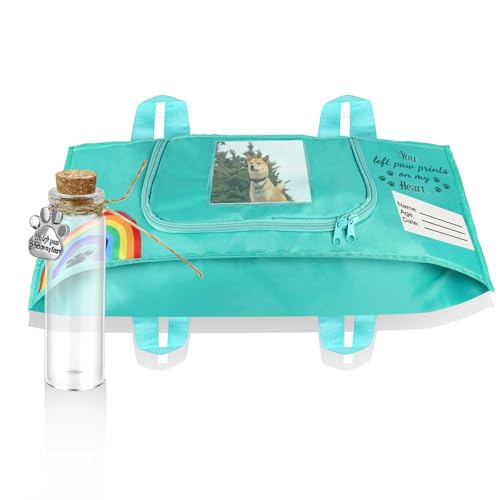
【Pet Burial Bag】Pet burial bags can provide a solemn farewell for your beloved pet.They can replace pet coffins and let pets sleep peacefully.They can also store pets' favorite toys,so that every life can feel the owner's love and respect when they die,leaving beautiful memories.
【Pet Burial Bag】Pet burial bags can provide a solemn farewell for your beloved pet.They can replace pet coffins and let pets sleep peacefully.They can also store pets' favorite toys,so that every life can feel the owner's love and respect when they die,leaving beautiful memories.

【Respectful Farewell】The pet casket body bag provides a dignified farewell for your beloved pet, which can also accommodate the pet's favorite toys, so that your pet does not feel lonely when leaving, and let your pet feel loved by the owner.
How Georgia’s Backyard Pet Burial Rules Differ From Other States
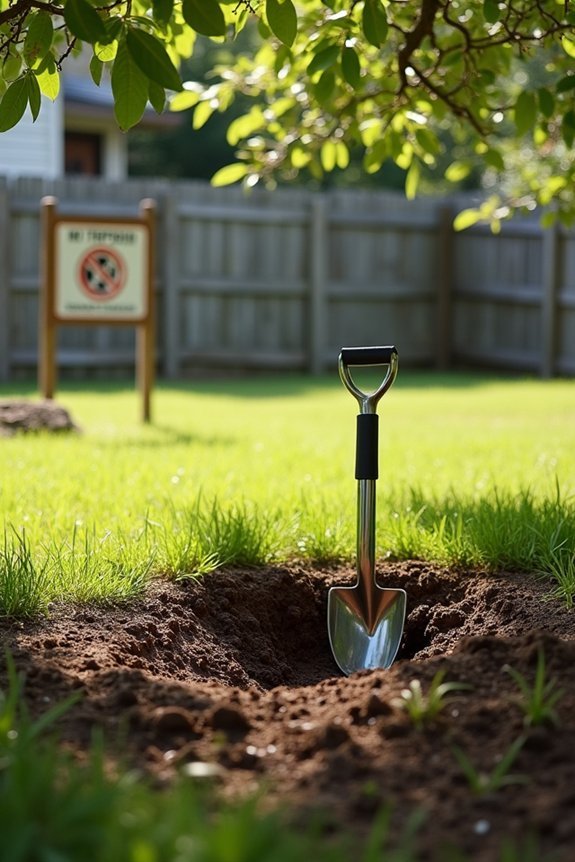
Do you know what makes Georgia’s pet burial rules unique? Georgia’s backyard burial framework is more specific than many states. We’re required to dig at least three feet deep with two feet of dirt covering the grave, a standard stricter than some neighboring states allow.
| Aspect | Georgia | Other States |
|---|---|---|
| Minimum Depth | 3 feet | 2-3 feet |
| Dirt Coverage | 2 feet required | 1-2 feet |
| Water Distance | Required setback | Varies widely |
| Maximum Depth | 8 feet | Often unlimited |
| Permission Needed | Yes, property owner | Requirements differ |
These state differences matter because they protect our environment and groundwater. Georgia’s burial depth requirements prevent contamination risks better than looser regulations elsewhere. We also must keep graves away from water sources, something not all states mandate. Understanding these distinctions helps us bury our pets responsibly while respecting local environmental standards.

31 inch Small Shovel: Small metal shovel with an overall size of 31 inches and won't take up much storage space. Portable and space saving, can easily fit into a camping backpack or the trunk. Small garden shovel is ideal for use in a tight spaces.

This is a narrow shovel with a slender shovel head.When planting and transplanting, there is no need to dig larger holes to prevent damage to the surrounding lawn.The D-shovel handle provides excellent leverage,making excavation work easier.

《Super strong material》This is a metal shovel, the shovel head is made of steel material, even when digging in rocky soil, the shovel head will not break and break. The solid wood handle not only ensures the strength, but also takes into account the beauty and environmental protection.
How Far Your Pet’s Grave Must Be From Water and Neighbors
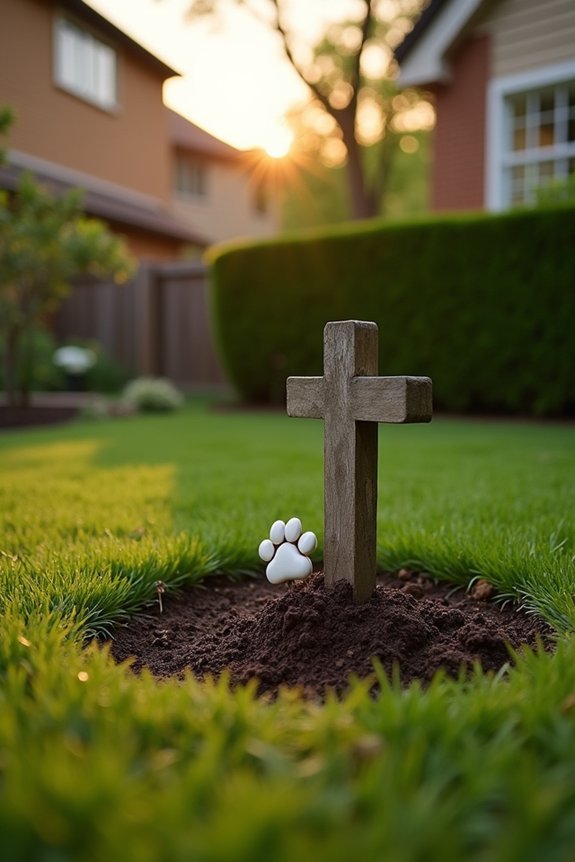
Before you dig that grave, you’ll need to know how far away it must be from water sources and your neighbors’ homes. This guide covers the specific distance requirements and helps you identify the safest spot on your property. Understanding these regulations is essential for your backyard burial plan.
Most jurisdictions require pet graves to be located at least 50 feet from any water source, including wells, streams, ponds, and springs. This distance prevents potential contamination of groundwater. Some areas have stricter standards, particularly in regions with shallow water tables or sensitive groundwater conditions.
The distance from your neighbors’ property lines typically ranges from 10 to 30 feet, depending on local ordinances. Check with your county or municipal health department for specific requirements in your area. These regulations exist to protect both environmental health and the comfort of those living nearby.
Before selecting a burial location, gather the following information:
Property lines and easements
Locations of septic systems, wells, and drainage fields
Underground utility lines
Seasonal water level changes
Soil composition and drainage patterns
Local zoning laws and homeowners association rules
Mark potential burial sites using stakes or flags. Walk the property during or after heavy rain to identify areas prone to water accumulation. Avoid low-lying spots where water collects, as these areas may violate distance requirements from water sources.
Contact your local health department, planning office, or county extension service to confirm all applicable regulations. Requirements vary significantly between locations, and what’s permitted in one jurisdiction may be prohibited in another.

Quality: Our 5-inch 11 gauge Garden stakes are made of high-strength galvanized steel and are hard and strong. Specially designed silver white Garden Stakes are available for outdoor decoration and landscape garden decoration.

Exercise pen ground stakes | 8-pack of ground stakes compatible w/ ALL metal dog exercise pens

Designed for ACE Marking Whiskers – Built to securely hold ACE Supply marking whiskers in place, these galvanized metal stakes provide reliable performance for your marking projects.
Water Source Distance Requirements
How far should your dog’s grave be from water sources and neighboring homes? Understanding distance requirements protects your groundwater and respects your neighbors’ safety.
Key Distance Guidelines:
- Maintain 200 feet from private wells or potable water sources
- Keep graves away from streams, ponds, lakes, and rivers
- Distance rules prevent groundwater contamination from burial decomposition
- Local proximity rules may require stricter distances than state guidelines
- Community water sources often have stricter requirements than individual wells
What You Need to Do
Your water source distance and burial requirements vary by locality. Some neighborhoods have stricter standards than others. Contact your city or county authorities before digging. They will confirm exact distance requirements for your specific location. This step prevents potential violations and saves you time.
Residential Proximity and Neighbor Boundaries
When you’re planning your dog’s backyard burial, you’ll need to respect both property lines and your neighbors’ comfort.
1. Understanding Proximity Rules
Backyard burial proximity rules protect your neighbors and community. In Illinois, you must place graves at least 200 feet from any residence not owned by you. This distance prevents potential issues and maintains good neighbor relationships.

Creative Tribute: you will receive a biodegradable pet casket with 10 colored pens; Celebrate your pet's life by designing and decorating the casket with personalized words and images

Specially designed for a dignified goodbye: This premium pet casket provides a calm, respectful, and gentle way to say goodbye to a beloved pet, this dog coffin assists families and veterinary teams through one of life's most poignant transitions by ensuring a process marked by respect, empathy, and thoughtful consideration from beginning to end
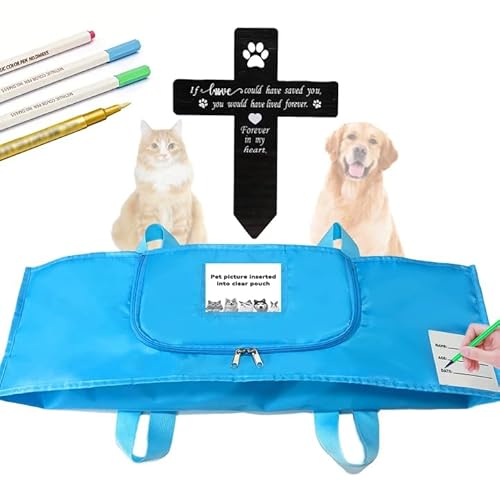
【Respectful Farewell】The pet casket body bag provides a dignified farewell for your beloved pet, which can also accommodate the pet's favorite toys, so that your pet does not feel lonely when leaving, and let your pet feel loved by the owner.
2. Neighbor Boundaries Matter
Never bury your pet on your neighbor’s property without explicit permission. Always confirm property lines before digging. Check local ordinances, as requirements vary by city and county.
| Consideration | Why It Matters |
|---|---|
| Property lines | Avoids legal disputes |
| Neighbor distance | Respects their property |
| Local regulations | Ensures compliance |
| Permission | Maintains relationships |
| Documentation | Protects your interests |

SIZE & WEIGHT - The spade shovel measures 7.5x2x43 inches (LxWxH) and weighs 4.5 lbs
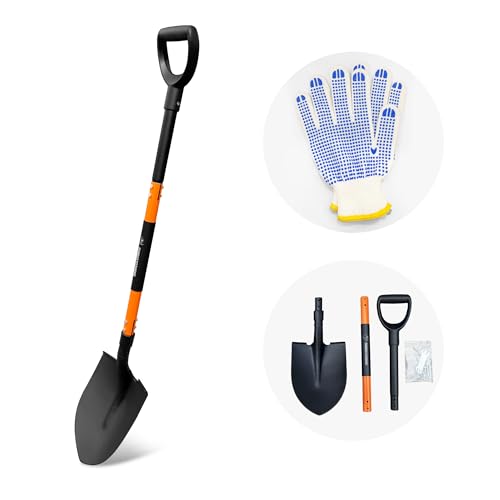
Durable Steel Blade:This heavy-duty shovel features a strong steel blade, specially reinforced for tackling various soil types, including hard, sandy, and rocky ground. Whether you're digging your garden, leveling soil, or handling large-scale gardening projects, this shovel is the perfect tool for the job.

ALL-STEEL CONSTRUCTION: Welded all-steel gardening shovel designed for excellent grip, easy use, and long-lasting durability, ideal for digging and turning tough soil
3. Verification Steps
Contact your city or county office before proceeding. They’ll clarify specific distance requirements for your area.

Marine Hot-Dipped Galvanized Steel to last forever. Not just painted or powder coated that will rust away over the years or cheap plastic that will break, fade & crack.

【Eye-catching Color Plastic】:Premium orange plastic survey markers made from unbreakable, durable raw materials, ideal for marking property lines, boundaries, and septic tank locations with high visibility
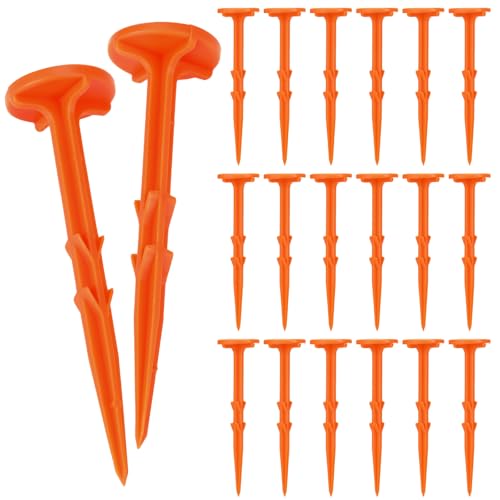
Weatherproof Unbreakable: engineered to endure harsh outdoor conditions, these waterproof survey markers resist corrosion and won't break; Good for permanent marking in any terrain or climate
Calculating Safe Burial Placement
Where you dig your pet’s grave matters more than you might think. Your backyard burial requires careful measurement to protect your community’s health and environment. Understanding the burial distance requirements keeps everyone safe.
Key Requirements:
- Water sources: Stay 100 to 300 feet away from streams, wells, and septic systems
- Soil depth: Dig at least 3 feet down for proper decomposition
- Property lines: Maintain 50 feet from neighbor boundaries where required
- Local rules: Check with your city or county first
- Documentation: Mark the location for future reference
State regulations vary notably. Illinois requires 200 feet from neighbors, while Missouri demands 300 feet from water. Washington emphasizes soil depth at 3 feet minimum. California adds biodegradable wrapping requirements. Always verify local ordinances; they override state rules and guarantee compliance with applicable laws.
When to Bury Your Pet After Death
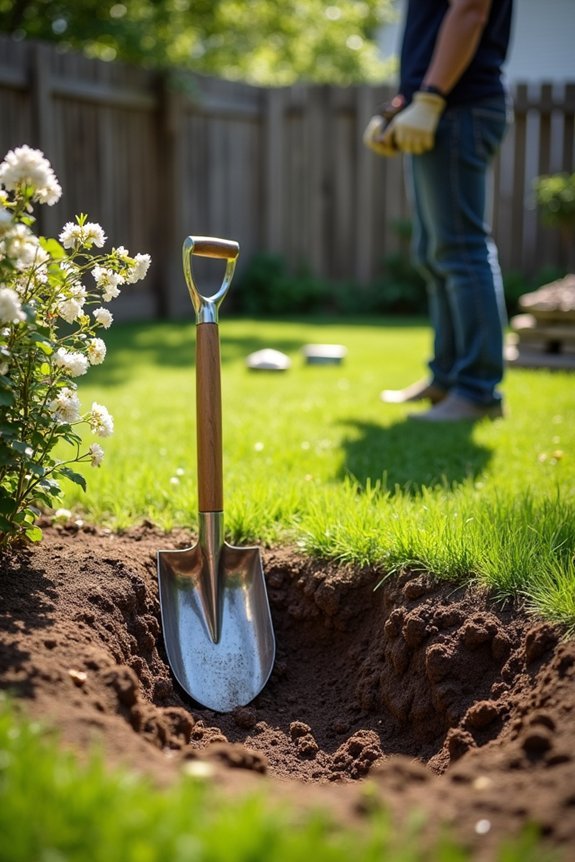
What’s the right timing for burying your dog at home? I recommend completing your backyard burial within 24 to 48 hours after death. This timing matters because it minimizes decomposition odors and reduces health risks in your yard.
1. Why Act Quickly
Early burial prevents unpleasant smells and keeps scavengers away. It’s the most practical approach for your family and neighbors.
2. When You Can’t Bury Immediately
If you can’t dig right away, place your dog in a sealed, leak-proof container temporarily. This prevents drainage issues.
3. Check Your Local Regulations
Always verify local regulations first. Some areas require faster disposal or mandate authorized services instead of backyard burial. Contact your local authorities to confirm what’s permitted in your area.

【DECENT FAREWELL】Using a pet remains box for cremation or burial can give your beloved companion a dignified final journey. You can write down your thoughts and blessings...
How to Choose a Biodegradable Container
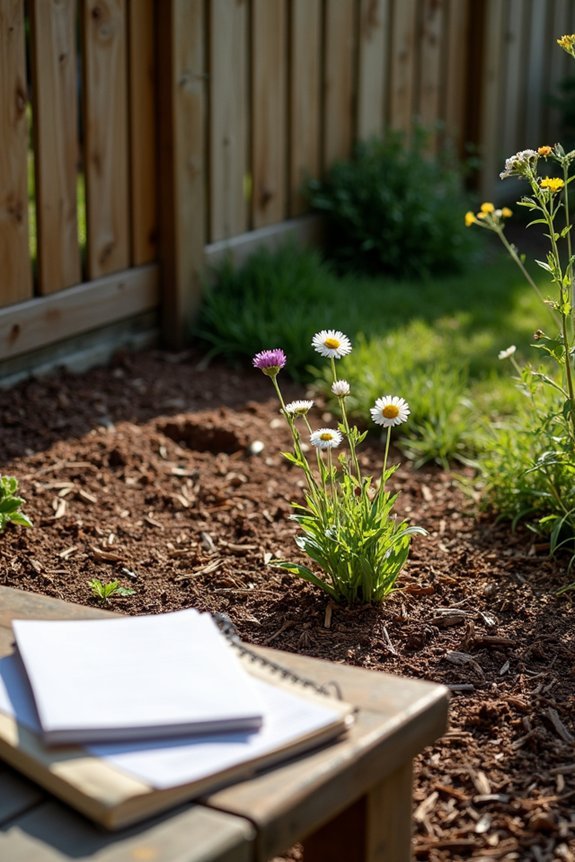
Once you’ve confirmed the timing and local regulations for your backyard burial, you’ll need to select an appropriate container for your dog.
1. Container Options
- Wooden caskets that naturally decompose over time
- Eco-friendly pods made from sustainable materials
- Biodegradable wrapping or liners required by some states like California
- Properly sized containers that fully enclose your pet
- Materials compatible with your soil conditions and burial depth
2. What to Avoid
Steer clear of non-biodegradable materials. Certain particleboard and plastics prevent natural decomposition, which conflicts with backyard burial laws in many areas.
3. Environmental Benefits
Selecting a biodegradable container supports environmental considerations. You’ll minimize long-term waste in your burial site while honoring your dog respectfully and responsibly.
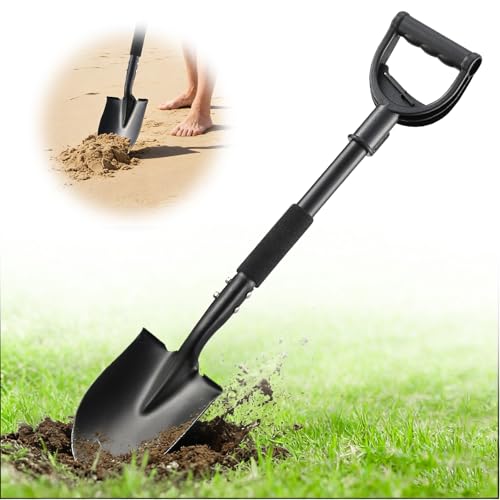
COMPACT & LIGHTWEIGHT SHOVEL: This small shovel measures 31 inches in total length and weighs only 2.4 pounds, making it ideal for adults as well as children and seniors to...
What Health Hazards Make Burial Risky or Illegal
When you bury your pet, you’re also burying potential health risks that can affect your family, neighbors, and the environment. Chemicals from medications like those used in euthanasia can seep into your soil and groundwater. Bacteria from decomposition may spread disease if not properly contained. Understanding these hazards helps you decide whether backyard burial is safe for your situation or if other options better protect your property and community.

Made from Recycled Resins and engineered to be tough for easy installation and longevity.

PRIMARY FUNCTION – SURVEY & PROPERTY LINE MARKERS: Designed for surveying, property line marking, construction layout, utility locating and landscaping applications where highly visible ground markers are needed. Durable steel stakes are ideal for tough soil, compacted ground and gravel conditions.

12 INCH 11 GAUGE STAKES - 12" length, 1.5" width, 11Ga (3.0mm) diameter, 50 pack extra heavy duty galvanized 12 inch metal garden stakes sinks deep into the ground, great for outdoor use, can secure tents, dig dog fence, chicken wire mesh, invisible fencing,Christmas decorations.
Chemical Leaching Into Soil
Because euthanized pets contain chemicals like pentobarbital, you’ll want to understand how these substances can move through soil and potentially affect your family’s water supply. Chemical leaching during pet burial is a real concern for responsible pet owners.
Here’s what happens when you bury your pet:
- Pentobarbital breaks down slowly in soil over months or years
- Rainwater carries chemicals deeper into the ground layers
- Soil contamination spreads toward underground water sources
- Distance from wells and streams matters significantly
- Biodegradable containers help slow chemical movement
Burying at least 3–5 feet deep reduces leaching risks considerably. You’ll also want to check local regulations, since many areas have specific soil-adsorption standards. Being aware of chemical leaching protects both your groundwater and your community’s water safety.
Groundwater Contamination Risks
Understanding chemical leaching is just the first part of the story. You’ll also need to consider groundwater contamination risks, which many jurisdictions take seriously.
1. Why Groundwater Matters
Groundwater supplies drinking water for many homes. When you bury your dog, decomposing remains can release nutrients and chemicals, including euthanasia drugs like pentobarbital, into nearby aquifers or wells.
2. Key Legal Requirements
Most areas require burial depth of at least three feet. You’ll also need setbacks from water sources such as streams, private wells, ponds, and lakes. These rules protect your community’s water quality and public health.
3. Why Shallow Graves Are Problematic
Shallow burials increase contamination risks. Surface runoff can reach water supplies more easily. Scavengers may disturb remains, spreading materials further.
Following these guidelines keeps your family safe while respecting environmental responsibility.
Disease Transmission Concerns
Disease transmission is a genuine concern when you’re planning a backyard burial. Here’s what you need to know:
- Cadaver decomposition attracts flies, rodents, and other vectors that spread disease
- Euthanasia chemicals like pentobarbital leach into soil and contaminate groundwater
- Shallow graves allow scavengers to dig up remains, spreading pathogens widely
- Decomposing tissue releases harmful odors that attract disease-carrying animals nearby
- Inadequate burial depth increases risks to your family’s health and your neighbors’
2. Why Burial Depth Matters
Most jurisdictions require minimum burial depths around three feet or deeper. This containment practice significantly reduces disease transmission risks. Proper burial depth protects your groundwater from contamination and keeps disease vectors away from your home. Following these requirements prevents potential health problems and costly cleanup expenses later.
What Penalties You’ll Face for Violating Local Laws
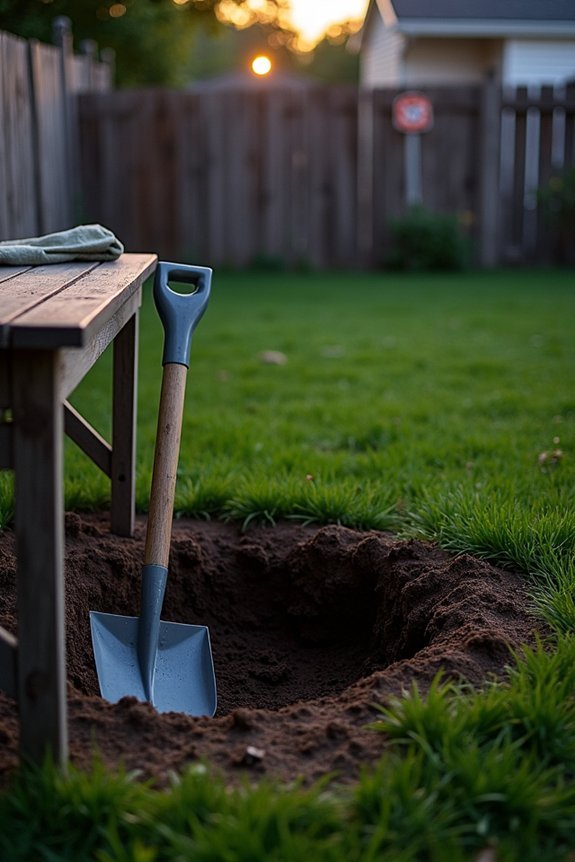
What happens if you bury your dog without following local rules? You’ll face pet burial penalties that vary by city and county. This overview covers what violations mean for your wallet and peace of mind.
1. Monetary Fines
Local laws differ notably, so fines aren’t standardized across states. Your city or county determines penalty amounts based on violation severity.
2. Enforcement Actions
Health or animal control authorities may issue notices requiring you to relocate your pet’s remains. Noncompliance escalates consequences.
3. Backyard Burial Requirements Matter
Violations often involve improper depth, distance from water sources, or lacking biodegradable containers. These environmental protections prevent contamination.
Checking ordinances beforehand saves money and stress. Most jurisdictions allow home burial when you follow specific guidelines regarding depth, placement, and materials. Verify requirements before proceeding.
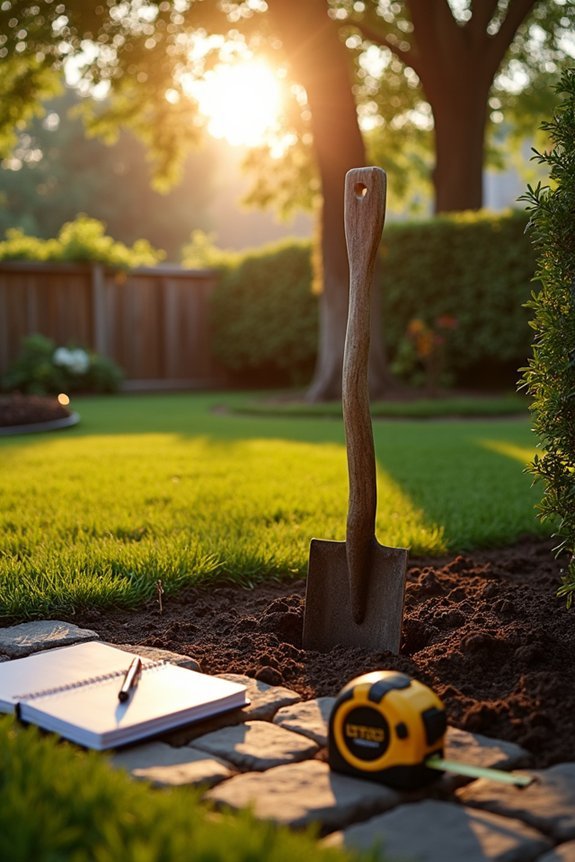
How to Dig, Prepare, and Mark Your Pet’s Grave
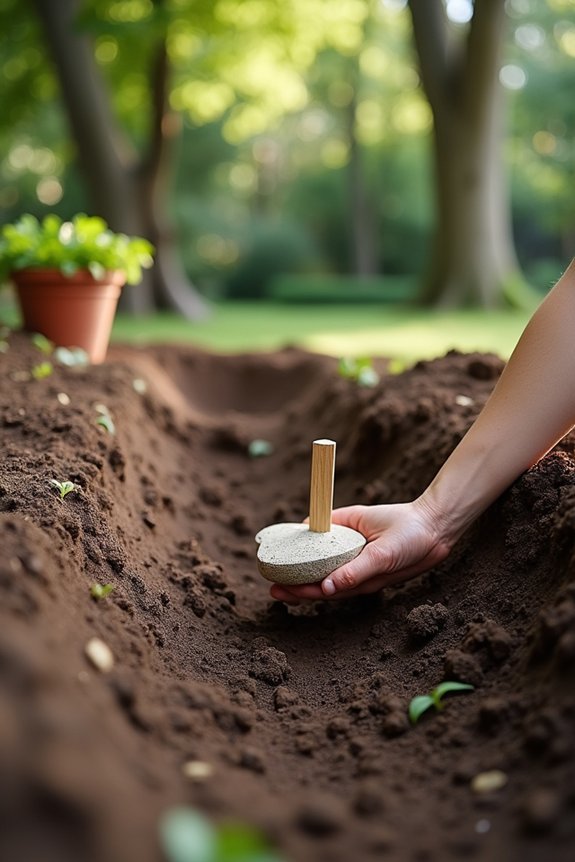
Now that you’ve confirmed your backyard’s legal status, you’ll need to choose the right spot, dig to proper depth, and create a meaningful marker. The following steps will help you give your dog a respectful final resting place.
Start with selecting the location. Consider factors like proximity to your home, soil conditions, and drainage. Choose an area that feels right to you and where you can visit easily. Avoid spots near septic systems, wells, or areas prone to flooding.
Once you’ve identified the location, prepare the grave. The depth should be at least two to three feet to prevent disturbance by animals. The hole should be large enough to accommodate your pet’s body comfortably. Remove grass and topsoil first, then continue digging through the subsoil until you reach the required depth.
When the grave is ready, line it with something meaningful if desired. Some people use a blanket, wooden box, or pet casket. Place your pet’s body gently in the grave, along with any items you wish to include.
Finally, create a marker for the grave. Options include a headstone, wooden cross, garden stone, or plaque. You might plant flowers or a small shrub to mark the location. Include your pet’s name and dates if you prefer something more permanent and visible.
Take time during this process to reflect on your pet’s life. This ritual serves as an important part of the grieving process and honors the bond you shared.
Selecting The Right Location
Where you choose to bury your dog matters more than you might think. I’ll help you select the best spot following location guidelines and pet burial laws.
When planning your backyard burial, consider these factors:
- Distance from water: Keep the grave away from wells, streams, and bodies of water to protect groundwater
- Flood zones: Avoid low-lying areas where water collects during heavy rain
- Utility lines: Call before digging to locate underground pipes and electrical lines safely
- Privacy: Choose a spot hidden from neighbors and common pathways
- Soil depth: You’ll need to dig at least three feet deep with two feet of soil above the container
Mark your chosen location clearly. Record exact coordinates or create a detailed description. This prevents accidental disturbance later and shows proper respect for your pet’s resting place.
Digging And Depth Standards
1. Digging Depth Standards
Your backyard burial requires proper digging depth. In Georgia, dig at least 3 feet deep, with 8 feet as your maximum. Illinois requires 6 inches of compacted soil minimum. These depths prevent animals from discovering the grave and protect groundwater.
2. Preparing the Grave
Dig straight down with vertical walls. Remove soil carefully, setting it aside for refilling. For large animals in Illinois, prepare an abdominal cavity to aid gas escape during decomposition.
3. Marking Your Location
Mark the grave clearly after burial. This prevents accidental disturbance during yard work. A small stone or plant works well.
4. Checking Local Ordinances
Always verify local ordinances before digging. Rules vary by city and county regarding proximity to wells, streams, and residences.
Creating A Lasting Memorial
Honoring your pet’s final resting place creates a meaningful space for remembrance and reflection. A lasting memorial allows you to revisit and honor your beloved companion with dignity.
Consider these memorial options:
- Weatherproof markers that withstand outdoor conditions
- Engraved stones displaying your pet’s name and dates
- Small plaques reflecting their personality or favorite activities
- Garden stones or decorative rocks marking the spot
- Photo frames or urns placed near the grave
Recording the Location
Document your pet’s grave coordinates or create a simple map. This prevents accidental disturbance and helps family members locate the site. Having this information preserved matters for future reference and memorialization efforts.
A thoughtful marker honors your grief and creates a permanent tribute to your faithful friend.
Why Cremation or Pet Cemeteries Might Be Better
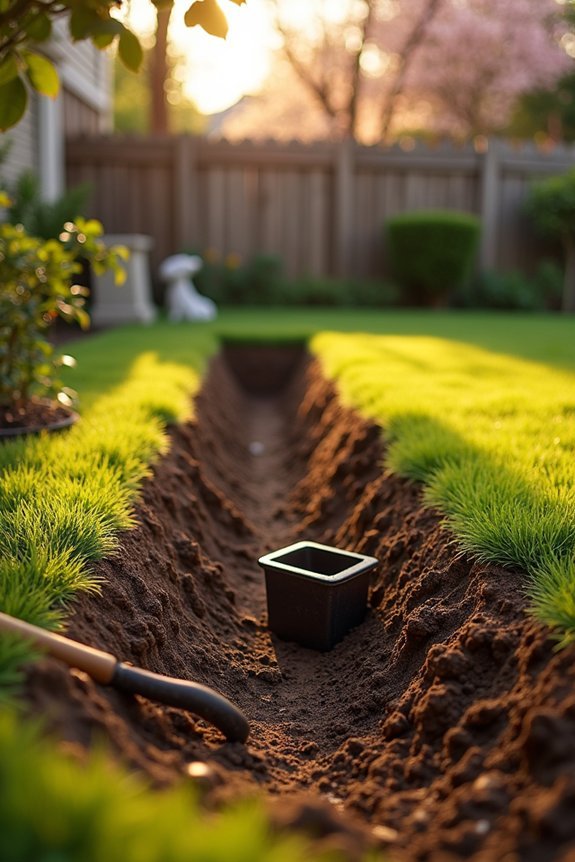
Have you considered alternatives to a backyard burial? Cremation and pet cemeteries offer practical options that simplify legal compliance.
1. Cremation Benefits
Cremation eliminates soil contamination concerns. You’ll receive ashes in a keepsake urn or scatter them where permitted. This avoids the depth and distance regulations that backyard burials require.
2. Pet Cemetery Advantages
Pet cemeteries handle everything professionally. They verify proper burial depths, containment, and distance requirements with certified documentation. This documentation protects you from neighbor disputes and legal issues.
3. Regulation Compliance
Since regulations vary by state and location, using established services simplifies adherence. You won’t need to navigate confusing local rules on your own. These facilities know your area’s specific requirements and handle permits accordingly.
Both options provide peace of mind while respecting environmental standards and avoiding costly mistakes.
How Titan Casket Supports Your Pet Memorial Plans
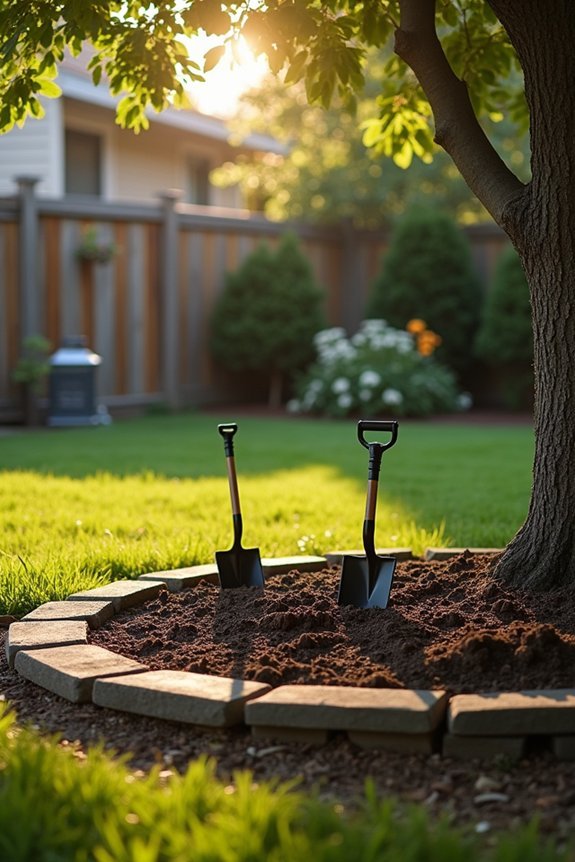
If you’ve decided that a backyard burial is right for your family, you’ll want quality materials and expert guidance to make the process smooth. I’m here to help you navigate pet memorial planning with confidence.
Titan Casket supports your journey through:
Titan Casket supports your journey through high-quality caskets, expert guidance, and comprehensive memorial planning for meaningful backyard burials.
- High-quality caskets crafted from durable materials designed specifically for backyard burial
- Personalized concierge guidance helping you understand legal requirements in your area
- Expert planning assistance simplifying decisions about memorial options and arrangements
- Direct purchasing options giving you convenient access to burial accessories
- Comprehensive support covering everything from casket selection to final arrangements
Whether you’re planning ahead or handling an immediate need, I’ll help you honor your dog’s memory while respecting local regulations. Our team understands that backyard burials hold deep meaning for many families, and we’re committed to making the process meaningful and straightforward.
The Most Common Mistakes Pet Owners Make During Burial
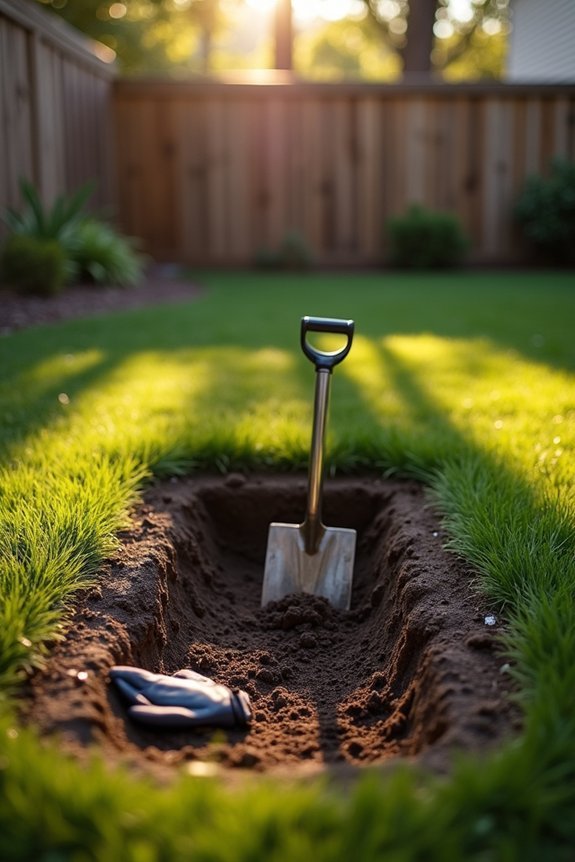
Even with the best intentions, pet owners often overlook critical details that can lead to legal problems, environmental damage, or costly corrections.
1. Insufficient Burial Depth
Bury your dog at least 3 feet deep. Shallow graves allow scavengers to disturb your pet’s remains, and inadequate soil cover risks environmental contamination.
2. Ignoring Local Regulations
Check your city or county rules before burying. Local regulations vary significantly by location. Skipping this step can result in fines or legal action.
3. Poor Location Choices
Many pet owners select spots near wells, streams, or floodplains. These locations violate most local regulations and contaminate groundwater. Avoid areas with water sources or flood risk.
4. Using Wrong Containers
Non-biodegradable boxes harm the environment. Choose eco-friendly caskets that break down naturally over time instead of synthetic materials that persist in soil.