

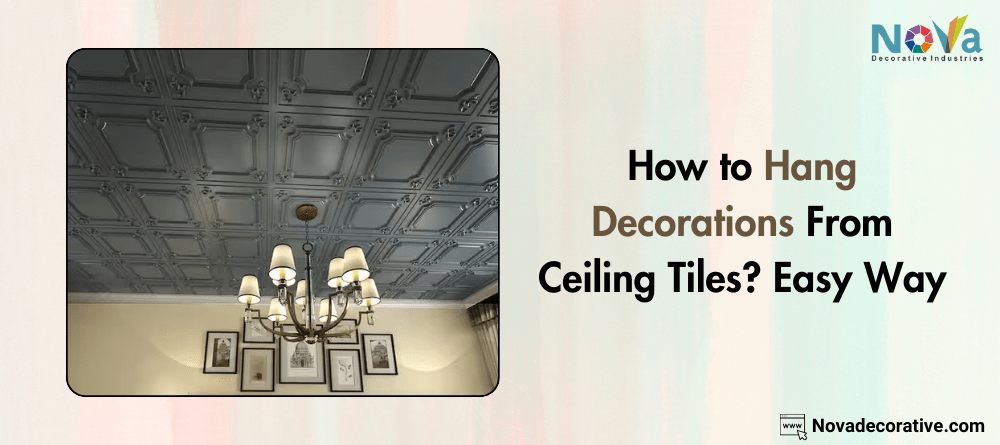
Have you ever marveled at the intricate designs gracing the ceilings of historic mansions, ornate churches, or modern interiors? Such embellishments serve more than just aesthetic purposes; they embody cultural histories, architectural advances, and artistic expressions. If you’re curious about what are ceiling decorations called, you’ve embarked on a fascinating journey into a vocabulary rich with specific terms and stylistic nuances. Understanding these terminologies not only enhances appreciation but also equips you with the language to describe, choose, or design ceiling features with confidence.
Defining Ceiling Decorations: An Introduction to Terminology
Ceiling decorations encompass a diverse range of elements that elevate the visual impact of a space, transforming it from plain to spectacular. Broadly, these are architectural or decorative features applied directly to or integrated within the ceiling structure. The terminology used to describe these enhancements can sometimes seem complex or specialized, a reflection of centuries of artistic evolution and regional variations.
In essence, what are ceiling decorations called are led by categories such as trims, moldings, plasterwork, carvings, and finishing techniques. The broad umbrella term “ceiling decoration” covers everything from simple painted murals to highly elaborate stuccoes and domes. Recognizing the precise language used in architecture helps define the scope and style of a space, and supports clearer communication among designers, architects, and homeowners.
Common Names for Ceiling Decorations: A Comprehensive Guide
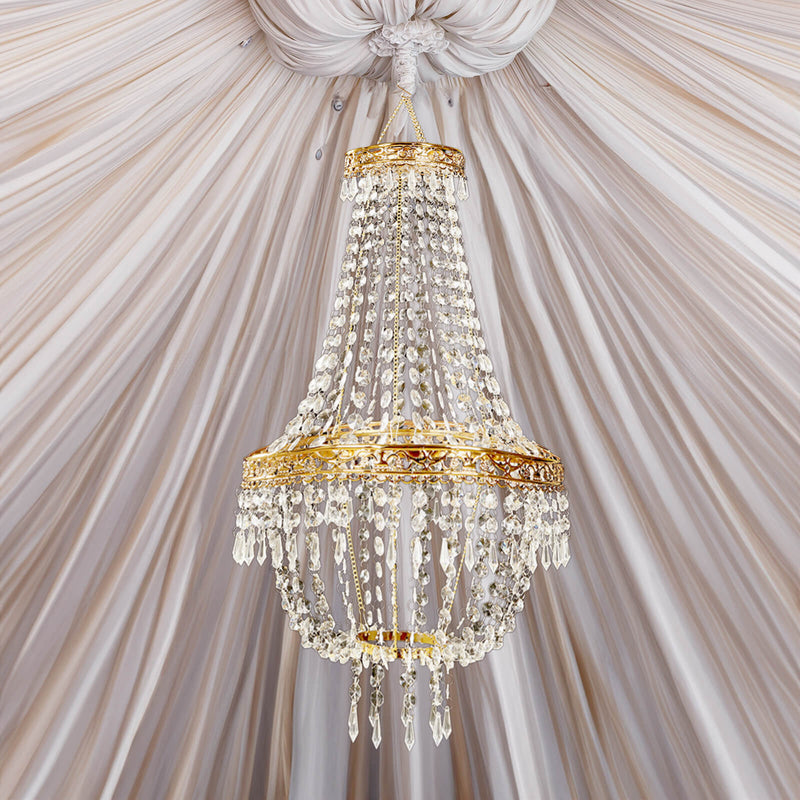
Across different cultures and architectural styles, certain terms have become standard references. For example, crown moldings are frequently used to transition between wall and ceiling with decorative flair. Ceiling medallions are ornamental fixtures often centered around chandeliers, providing a focal point that is both functional and decorative.
Another common term is coffered ceilings, which involve a grid of sunken panels creating a sense of depth and grandeur. These are often associated with classical architecture and evoke a sense of historical opulence. Such terminology becomes familiar over time, revealing how specific terms can evoke certain design eras or stylistic intentions—further emphasizing the importance of understanding what are ceiling decorations called in their proper context.
Architectural Ceiling Elements: Understanding Decorative Nomenclature
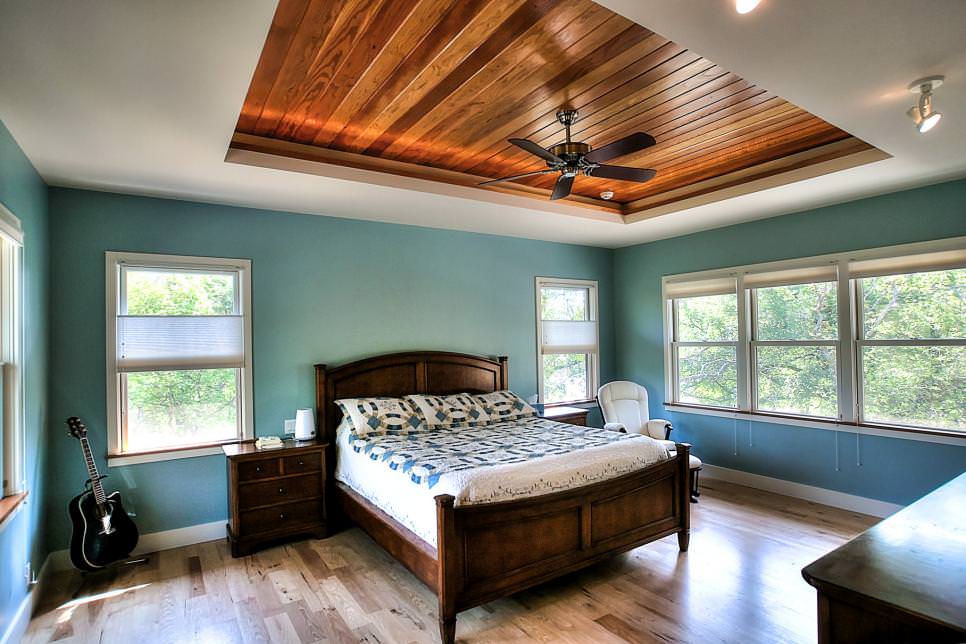
Architectural elements dedicated to decorating ceilings are deeply rooted in history, often serving both structural and aesthetic purposes. Elements such as vaults, cupolas, or domes are architectural feats that also serve as decorative features, transforming interior spaces into awe-inspiring environments. When speaking of these, precise terminology helps convey their grandeur and architectural significance.
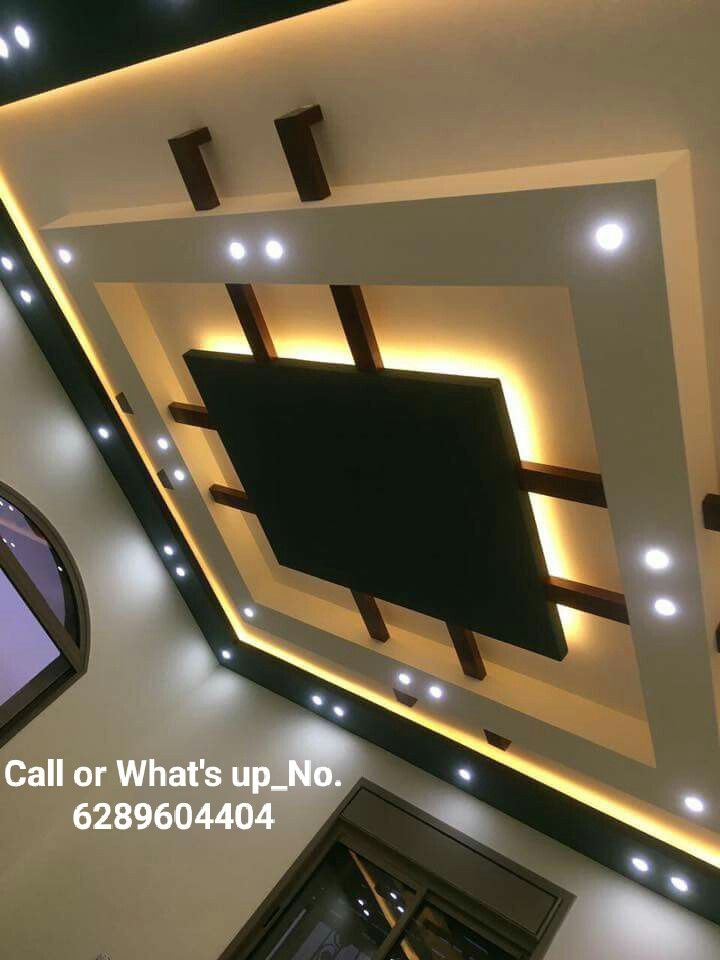
In contemporary design, the vocabulary has expanded to include false ceilings or drop ceilings, which conceal wiring and infrastructure while also framing lighting fixtures. Terms like plaster cornice or gypsum ceiling specifically describe materials and moldings, emphasizing the materiality of these enhancements. Understanding this nomenclature allows for better communication of ideas, especially when planning or discussing architectural projects involving ceiling decor.
Popular Ceiling Decoration Styles and Their Formal Names
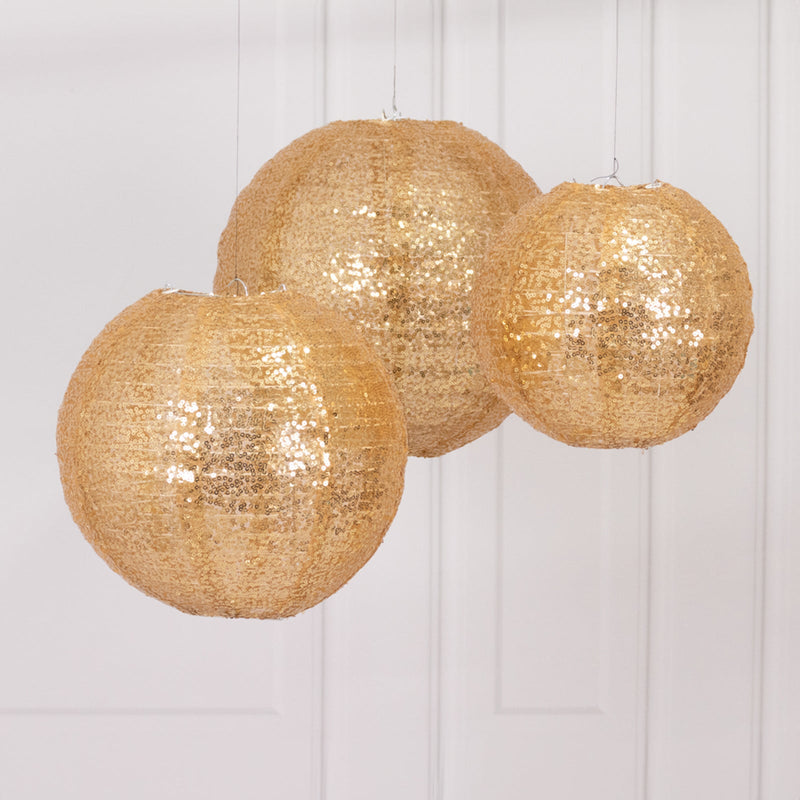
Stylistic categories are essential for contextualizing ceiling decor within a broader aesthetic framework. For example, Baroque ceilings are characterized by elaborate stucco work, trompe-l’œil murals, and gilded embellishments. Conversely, Art Deco ceilings feature geometric patterns, bold lines, and lavish metallic accents—all different terms with specific stylistic connotations.
Modern styles such as industrial ceilings may focus on exposed beams, ductwork, and minimalist finishes, with terminology emphasizing their raw, unfinished look. Recognizing these styles and their formal names allows designers and enthusiasts to accurately describe or recreate specific eras, enriching the dialogue around ceiling decoration and helping identify what are ceiling decorations called in each design tradition.
Beyond ‘Ceiling Decorations’: Exploring Specific Decor Types

While the phrase “ceiling decorations” serves as an umbrella term, many specialized types deserve their own recognition. For instance, frescoes—wall paintings that sometimes extend onto ceilings—are a prime example of artistic interventions that elevate a plain surface. Architectural plasterwork encompasses intricate reliefs, borders, and motifs often seen in historic buildings, showcasing masterful craftsmanship.
Furthermore, unique decorative features like wooden coffered ceilings or metallic ceiling tiles highlight specific materials and techniques. These distinctions matter because they convey different levels of craftsmanship, time periods, and cultural influences. Knowing these specific terms deepens one’s appreciation for what are ceiling decorations called and enhances the ability to discuss or commission such work accurately.
A Glossary of Terms: From Simple to Elaborate Ceiling Finishes

The language around ceiling decor ranges from straightforward to highly complex. Basic terms include painted ceilings, which involve murals or faux finishes, while more elaborate descriptions involve neo-Gothic ribbed ceilings with decorative arches and tracery. Plaster cornices are simple moldings that gather the ceiling and wall are in a single elegant line, but Stuccoes refer to intricate sculptural work often created with lime or plaster.
The variety of finishes—such as acoustic ceilings, pleated fabric ceilings, or mirrored ceilings—demonstrate how functional design is often combined with decorative intent. This lexicon enhances understanding of what are ceiling decorations called, whether in the context of restoration, renovation, or new construction, offering a comprehensive vocabulary to communicate design ideas.
Ceiling Decoration Terminology: A Historical Perspective
Historically, ceiling decoration has reflected the cultural and technological advances of its period. During the Renaissance, frescoed ceilings dominated, with elaborate Trompe-l’œil illusions adding depth and realism. The Baroque era introduced stucco work with sweeping curves, gilded details, and theatrical effects.
In contrast, modern times have seen a shift toward minimalist design, with terminology evolving to include suspended ceilings and stretch ceilings—materials and techniques that are less permanent but highly versatile. Understanding this evolution reveals how what are ceiling decorations called can serve as a mirror to cultural shifts in art and architecture, guiding modern design choices by respecting historical nomenclature and craft.
Different Names for Ceiling Features: A Regional Variation Study
Regional differences significantly influence the naming and stylistic approach to ceiling decorations. For example, what is called a cornice in North America might be referred to as a coving in the UK, though they serve similar decorative purposes. Similarly, alcoves and niches can be integrated into ceilings in specific cultures, sometimes with distinct descriptive terms.
These regional variations also influence the stylistic vocabulary—what’s called Plafond in France or Techo in Spanish-speaking countries reflects cultural preferences and architectural history. Recognizing these regional distinctions enriches one’s understanding of the global language of ceiling decor, highlighting how what are ceiling decorations called can differ based on geographic and cultural context, yet serve similar decorative purposes worldwide.
The Language of Design: Accurately Describing Ceiling Enhancements
Accurate terminology is fundamental in conveying design ideas precisely. Words like ornamental plasterwork, molding profile, or lampshade mounting aren’t interchangeable; each describes specific elements with particular features. Using the appropriate terms ensures clarity when discussing scope, materials, and style, whether with clients, contractors, or historians.
Professionals often rely on a technical language that bridges artistic inspiration and structural reality. This precise vocabulary allows designers and architects to decode ceiling decorations into implementable specifications, giving life to visions. Understanding what are ceiling decorations called in a professional context empowers meaningful dialogue, ensures correct execution, and preserves the integrity of historically inspired or contemporary designs.
Decoding Ceiling Decorations: A Guide to Professional Terminology
For students, enthusiasts, or professionals, mastering the terminology related to ceiling decor unlocks a deeper appreciation for craftsmanship and design. From frescoes and stuccoes to coffers and medallions, each term encapsulates a unique element with historical, stylistic, and material significance.
This vocabulary also facilitates inspiration and innovation—knowing the varieties and names of ceiling embellishments allows for creative combinations, restoration projects, or bespoke designs. Decoding what are ceiling decorations called is not merely academic but a practical tool that enhances communication, accurate documentation, and ultimately, the outcome of any project involving ceiling ornamentation.
Conclusion
Understanding what are ceiling decorations called reveals a richly textured lexicon that spans history, cultures, and styles, from the simple painted surface to elaborate stucco and architectural masterpieces. Appreciating this language enhances the ability to describe, analyze, and recreate ceiling enhancements with precision and confidence. Whether referring to moldings, medallions, coffers, or frescoes, knowing their formal names bridges the gap between artistic inspiration and technical execution, allowing us to celebrate and preserve the beauty and diversity of ceiling ornamentation across time and space.