
Decorating high ceilings can transform a dull space into a stunning visual spectacle, but it comes with unique challenges. Whether you’re planning for a grand party, a seasonal display, or just want to refresh your living space, knowing how to hang decorations from high ceiling is essential for aesthetic appeal and safety. Achieving a professional, polished look requires careful planning, the right tools, and an understanding of your space’s structural limits. This guide will walk you through each crucial step, from assessing your ceiling’s structure to creative inspiration for decorating those lofty spaces.
Introduction: The Challenges of High Ceiling Decorating
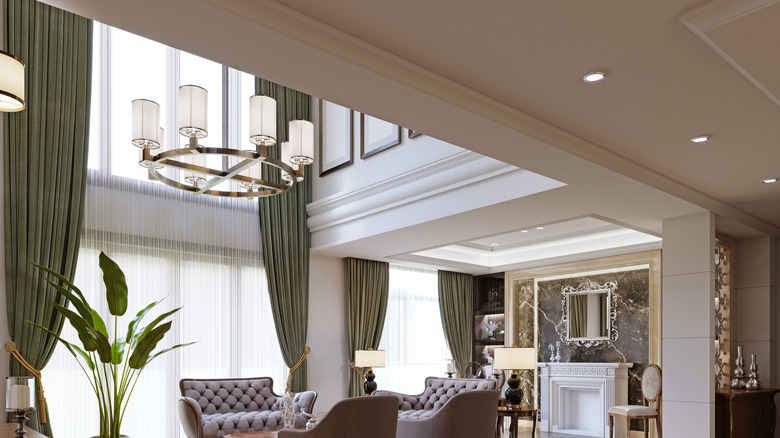
High ceilings add grandeur and openness to any room, but they also create a set of decorating hurdles that can overwhelm even seasoned decorators. Reaching those lofty heights often seems intimidating because standard tools that work at eye level are useless when you’re standing on the floor. There’s also the risk of unstable decorations falling or damaging the ceiling, which can be dangerous. The key is understanding these challenges upfront so you can plan and execute your decorating ideas with confidence, transforming your space into an impressive showcase that feels both luxurious and personal.
Furthermore, high ceilings often mean larger surface areas that require proportionate decorations—think oversized hanging installations, drapes, or chandeliers—adding to the complexity. You’ll need a mix of technical know-how and creative finesse to make your decorations look balanced and cohesive. Proper safety measures, appropriate tools, and clever techniques make all the difference, ensuring your decorating project elevates your space beautifully without risking safety or style. This comprehensive guide aims to demystify the process, empowering you to conquer those heights with ease.
Safety First: Essential Precautions Before You Begin
Before you even lift a ladder or reach for your tools, safety must be your top priority. Improper handling or overlooking safety precautions can result in injuries, property damage, or failed decorating efforts. Always inspect your workspace for potential hazards—fragile fixtures, electrical wires, or uneven flooring—and clear the area of any obstructions. It’s essential to have a stable, quality ladder suited for high-reach tasks, such as an extension ladder or scaffolding, depending on ceiling height.
Additionally, know your ceiling’s structure—be it drywall, wood beams, or concrete—so you select appropriate anchors and hooks. When working at heights, always have someone nearby to assist or call for help in case of an emergency. Use personal protective equipment like gloves, eye protection, and non-slip shoes. If you’re unsure about how to safely mount heavier decorations or uncertain about your ceiling’s construction, consult a professional. Prioritizing safety creates a worry-free environment, allowing you to focus on turning your ceiling into a captivating feature.
Gathering Your Supplies: Tools and Materials Checklist

Preparation is vital to a smooth decorating process, especially when working with high ceilings. Essential tools include a sturdy extension ladder or scaffolding, depending on your ceiling height. A drill with various bits, hooks, and anchors suitable for your ceiling material are necessary to secure your decorations firmly. Consider using ceiling hooks, heavy-duty fishing lines, or decorative wires—each has strengths depending on the weight and type of decoration you intend to hang.
Materials should encompass a mix of hardware and ornamental items such as command hooks (for lighter decorations), ceiling anchor hooks, fishing line, decorative wire, and zip ties for organization. Don’t forget measuring tape, a pencil or chalk for marking positions, and a level to ensure decorations hang straight. For creative embellishments, adding LED string lights or fabric drapes can enhance the overall look. Organizing your supplies beforehand saves time and keeps your project fluid, reducing the chances of improvising with unsuitable tools or making unnecessary trips to the hardware store.
Assessing Your Ceiling: Identifying Structure and Materials
Understanding your ceiling’s structure is fundamental to hang decorations securely. Start by carefully inspecting the material—drywall, plaster, wood beams, or concrete—because each requires different hardware and techniques. If possible, locate the studs or ceiling joists behind drywall, as these provide solid anchors. Use a stud finder for accuracy; hanging decorations on drywall alone can be risky if not fastened into a stud or reinforced with appropriate anchors.
Additionally, assess any existing fixtures, electrical wiring, or insulation that might influence where and how you mount decorations. Knowing the ceiling’s load-bearing capacity helps you avoid overloading electrical fixtures or compromising structural integrity. For instance, lightweight decorations can be secured with command hooks or adhesive strips, but heavier items necessitate more robust anchors secured directly into joists. Recognizing these factors early ensures your decorations are not only beautiful but also stable and safe over the long term.
Choosing the Right Hanging Method – Hooks, Wires, and More

Selecting the appropriate method to hang your decorations is crucial for achieving the desired visual effect while maintaining safety. Heavy or large decorations—chandeliers, large paper lanterns—are best supported by ceiling hooks anchored into studs or reinforced beams. For lightweight or semi-permanent decorations, command hooks or adhesive-backed options can suffice, especially when avoiding damage to ceilings.
Wires and fishing lines are versatile tools for creating floating or layered effects, giving a sense of mystery and depth to your décor. Use decorative wiring or thin steel cables for heavier items requiring additional support, ensuring they are properly tensioned and discreetly concealed for a polished look. Think creatively—clip light fixtures, suspend garlands, or create mobile-like displays using different hardware combinations suited to each decoration type. The fundamental principle is ensuring every hanging method offers secure support while contributing seamlessly to your overall aesthetic.
Reaching New Heights: Safe and Effective Access Solutions

Accessing the ceiling height safely is often the biggest hurdle in high ceiling decorating. Instead of risking a dangerous climb, invest in the right equipment—extension ladders, scaffolding, or cherry pickers—that provides stable, secure access. For standard residential ceilings, an extension ladder with non-slip feet provides adequate height, but always ensure it is on an even surface and fully extended with locks engaged.
If you’re working on extremely high or difficult-to-reach spaces, consider renting scaffolding or a professional lift to ensure safety and precision. When positioning ladders, always maintain three points of contact—two hands and one foot, or two feet and one hand—and avoid overreaching. When accessorizing from a ladder, use a tool belt or a portable container to keep your supplies handy. If at any point a task feels unsafe, pause and consider professional help. Effective height access solutions keep the process smooth while minimizing risks, letting you focus on your decorating vision.
Attaching Your Decorations – Secure and Discreet Techniques
Once you’ve reached the ceiling height with the right equipment, the next step is attaching your decorations in a way that’s both secure and visually clean. For heavier fixtures, consider using screw-in hooks or expansion anchors drilled directly into joists or beams. Always pre-drill holes to avoid damaging drywall or cracking plaster, and double-check that your hardware is rated for the weight you plan to hang. For lighter items, command hooks or self-adhesive hooks work well, especially if you prefer minimal damage to your ceiling surface.
Discretion is key to a professional appearance. Conceal wires or support lines with decorative pipe covers, fabric drapes, or greenery to hide utilitarian hardware. When suspending multiple elements, use zip ties or twist ties to keep wires organized and prevent tangles. Avoid over-tightening supports, which can cause cracks or other damage. The goal is to secure each piece firmly without compromising the integrity of your ceiling material while maintaining a seamless aesthetic that brandishes your creative flair.
Considerations for Different Decorations – Weight and Balance
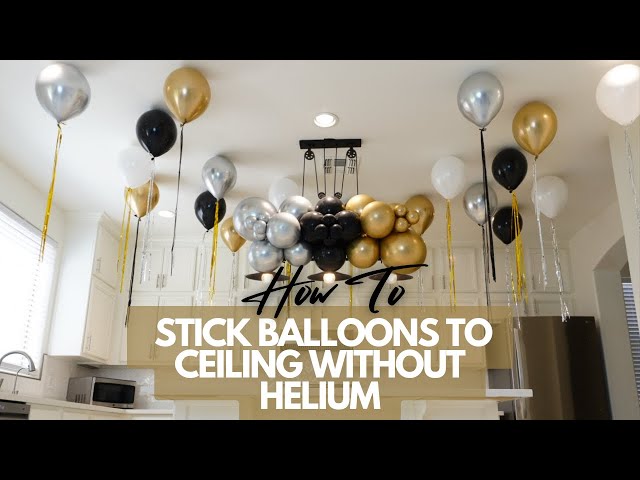
Different types of decorations come with unique considerations for weight and balance, which directly affect how you hang them. Lightweight items like paper lanterns, banners, or balloons can be supported with command hooks or thin wires, but they require even distribution to prevent tilting or swinging. Heavier decorations—like sizeable floral arrangements or fabric drapes—demand stronger hardware and precise placement into structural supports like joists.
Achieving balance is also about visual harmony; hanging decorations at varying heights or arranging them asymmetrically can add depth and dynamism. When working with multilevel displays or mobiles, ensure the weight distribution is even so that they do not sway excessively or become unstable. Proper planning and understanding of each decoration’s properties allow you to create a well-composed, safe, and eye-catching high-ceiling display.
Troubleshooting Common Issues – Solutions and Alternatives
Despite careful planning, issues can arise—decorations may sag, fall, or look uneven. To address sagging wire or string, try adjusting tension with small turnbuckles or tightening support lines. If decorations wobble due to air currents or imbalance, reposition or secure them more firmly, possibly adding additional support points. In cases where ceiling anchoring is problematic due to material constraints, consider alternative mounting methods like free-standing frames or decorative arches that don’t require direct ceiling attachment.
Another common challenge is ceiling damage after removal—use damage-free mounting solutions when possible, and always follow manufacturer instructions. For DIY fixes, concealment techniques can help hide imperfections or hardware. When problems seem insurmountable, consulting a professional decorators or handyman can save time and ensure safety. Flexibility and creative problem-solving are essential for turning high ceiling decorating setbacks into successful design statements.
Creative Ideas for Decorating High Ceilings – Inspiration and Examples
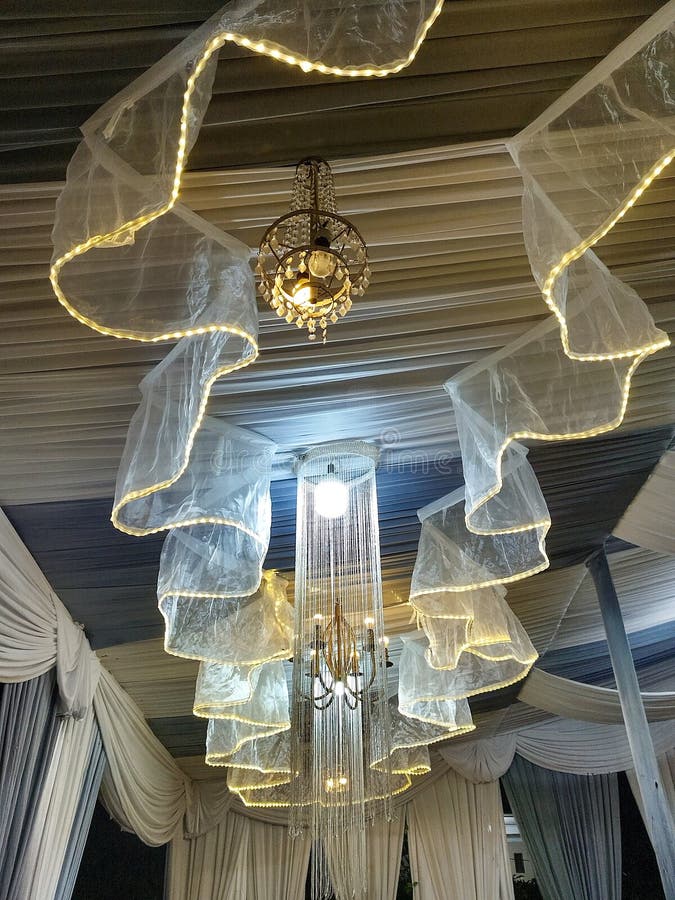
Decorating high ceilings opens a world of creative possibilities that can dramatically transform your space. Consider hanging a series of floating floral arrangements or lush greenery suspensions for a fresh, organic look. Large-scale paper lanterns or parasols inverted to create a canopy can add a whimsical or tropical vibe, especially if illuminated with string lights or LED accents. For festive events, cascading fairy lights or hanging banners at different heights can produce a mesmerizing immersive experience.
For a more artistic approach, create a mobile or art installation suspended from the ceiling, incorporating different shapes, textures, and colors. Use fabric drapes and swags to soften the space, or install a statement chandelier with an unusual design that captures attention. The key is to think vertically and experiment with contrasting textures and unexpected combinations—your high-ceiling area can be your canvas for awe-inspiring decor that reflects your personality and sense of style.
Conclusion
Decorating high ceilings requires a thoughtful approach that balances safety, technical know-how, and aesthetic creativity. Knowing how to hang decorations from high ceiling involves assessing your space, gathering the right tools, selecting suitable hardware, and executing your plan with care. Whether you’re elevating a living room, a commercial space, or a special event venue, the key to success lies in preparation, proper safety precautions, and inventive ideas. With strategic planning and a touch of creativity, your high ceilings can become the defining feature of a beautifully decorated, inspiring environment worthy of admiration.