
Decorating a room with slanted ceilings can seem daunting at first, but with the right approach, it offers a unique opportunity to showcase your creativity and elevate your interior design. Whether you’re dealing with an attic room, a loft conversion, or just a space with angular walls, understanding how to decorate slanted ceilings can dramatically enhance the aesthetic and functionality of your home. From lighting solutions to furniture placement, this comprehensive guide explores inventive ways to turn challenging angles into captivating features that reflect your personal style.
If you’re wondering how to decorate slanted ceilings in ways that preserve space, complement architecture, and boost ambiance, you’ve come to the right place. Embracing the uniqueness of these ceilings rather than resisting their natural forms is the key to creating a harmonious and inviting environment. Let’s delve into the practical tips, creative ideas, and expert insights that will help you master the art of decorating slanted ceilings effectively.
Understanding the Challenges and Opportunities of Slanted Ceilings
Slanted ceilings inherently alter the spatial dynamics of a room, presenting both challenges and unique opportunities for interior design. One of the primary challenges is dealing with limited vertical height, which can restrict furniture choices and make the space feel smaller or more enclosed than it truly is. Additionally, the angles can interfere with the placement of lighting fixtures and wall decor, often creating difficult visual balance.
However, these same angles can become a distinctive design feature once properly embraced. Slanted ceilings add architectural interest and create cozy nooks that can be personalized—whether as a reading corner, a home office, or a tranquil retreat. Recognizing the potential of these spaces involves seeing beyond the imperfections and understanding how to work with the angles to enhance the overall aesthetic. Smart planning can turn a constraining feature into a statement of character and style.
Planning Your Slanted Ceiling Decor – Key Considerations
Effective planning is critical when decorating rooms with slanted ceilings. Before starting, evaluate the specific angles and heights in your space. Take measurements to identify the tallest and shortest points to inform your furniture choices and layout. Consider how natural light enters the space throughout the day, as this can influence color schemes and lighting designs later on.
Furthermore, think about the room’s primary function and how the ceiling’s slope can enhance or limit its use. For example, a slanted ceiling in a bedroom can create a cocoon-like or intimate atmosphere, while in a living area, it can serve as a backdrop for focal points like art or statement lighting fixtures. Prioritize a cohesive vision that balances aesthetics with practicality, and be flexible enough to adapt your plans as you experiment with different arrangements.
Effective Lighting Solutions for Rooms with Slanted Ceilings
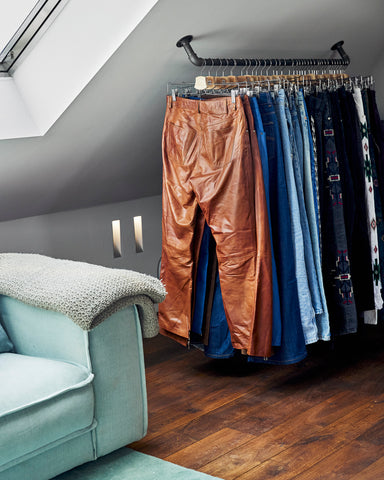
Lighting is essential for optimizing slanted ceilings, as the angles can distort shadows and create uneven illumination. Layered lighting—combining ambient, task, and accent fixtures—is the best way to ensure the space feels warm, functional, and well-lit. Recessed lighting and track lights can be installed along the slope for a sleek, modern look, dispersing light evenly across the ceiling’s angles.
In addition, strategic use of pendant lights and wall sconces can emphasize the room’s architectural features. For slanted ceilings, choose fixtures that hang low enough to avoid obstruction, and consider adjustable or dimmable options to modify the mood. Proper lighting can also create the illusion of higher ceilings and open up cramped nooks, turning challenging angles into focal points rather than design flaws.
Color Palette Strategies to Enhance Slanted Spaces
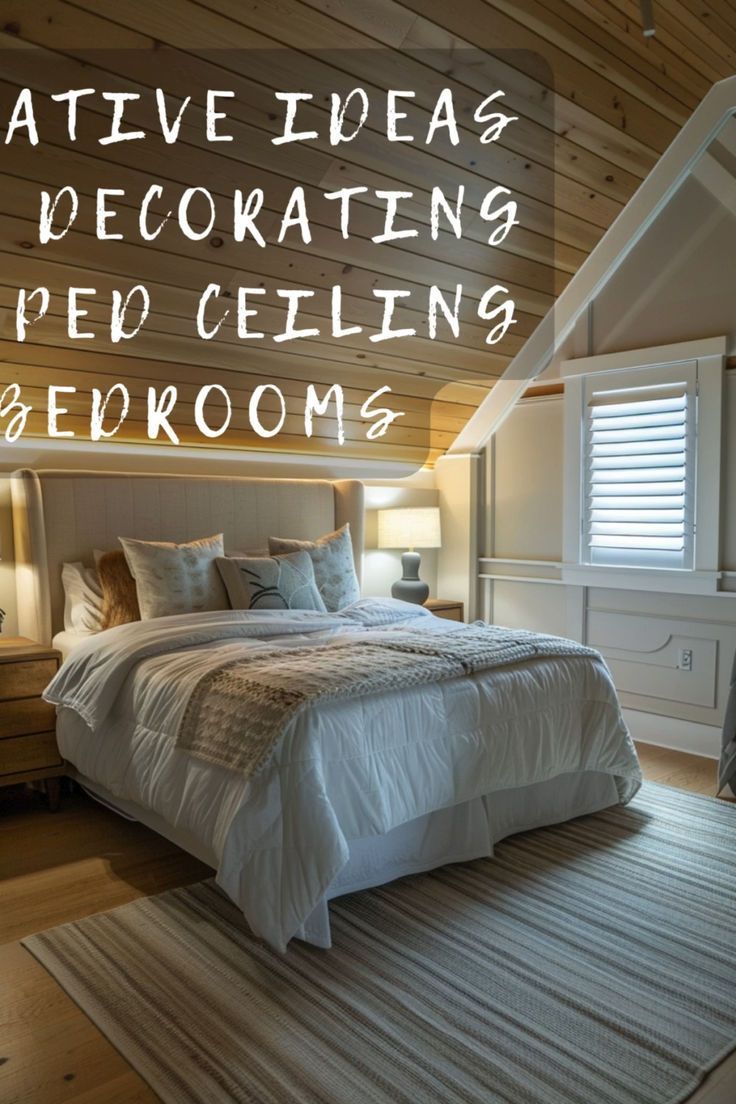
Color schemes play a vital role in making a room with slanted ceilings appear larger, brighter, and more cohesive. Light, neutral tones like whites, creams, and pastels reflect natural light, making the space feel airy and expansive. On the other hand, darker hues can add depth and intimacy but should be used thoughtfully to avoid shrinking the visual space.
Another effective technique involves using coat or contrasting colors on the ceiling to highlight the angles—either by emphasizing the slope or camouflaging it. Incorporating accent walls or subtle patterns can also add visual interest without overwhelming the space. Ultimately, selecting the right palette depends on your mood preferences and the room’s purpose, but maintaining a consistent color flow helps unify the angles beautifully.
Furniture Placement Tips for Optimizing Slanted Ceiling Rooms
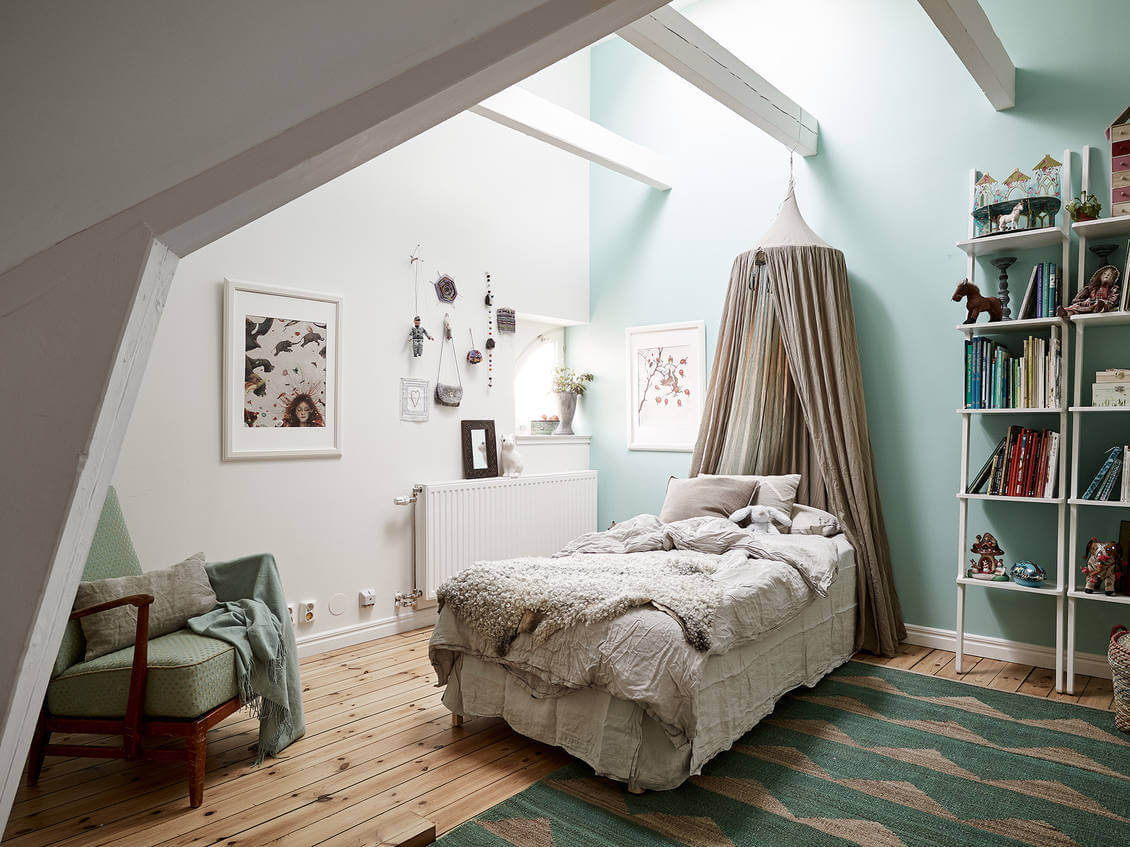
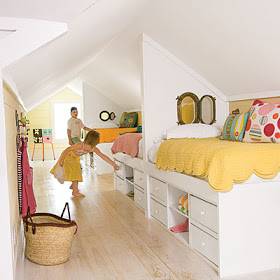
Arranging furniture under slanted ceilings requires strategic planning to maximize space and functionality. Low-profile furniture, such as beds with storage drawers or sectional sofas, fits seamlessly into narrower areas and prevents a cramped feel. In bedrooms, place the bed against the tallest wall to free up the lower-sloped sections for storage or seating.
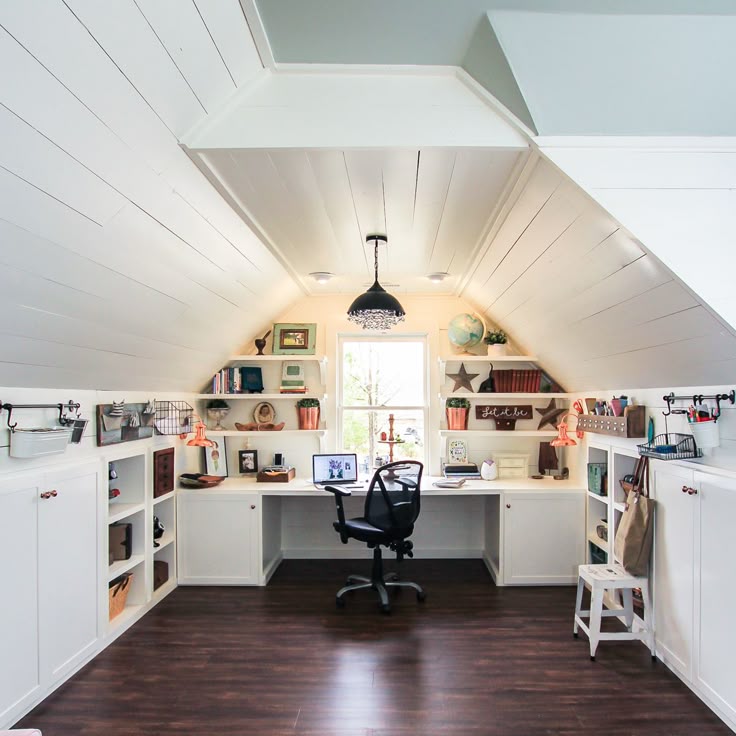
In multi-purpose rooms, consider custom-built or modular pieces that conform to the room’s angles. Floating shelves, wall-mounted desks, and tiers of storage can adapt to sloped walls, reducing clutter and making use of otherwise awkward spaces. The key is to maintain clear pathways and avoid blocking windows or architectural features, which creates a balanced and inviting environment.
Creative Storage Ideas for Maximizing Space Under Slanted Ceilings
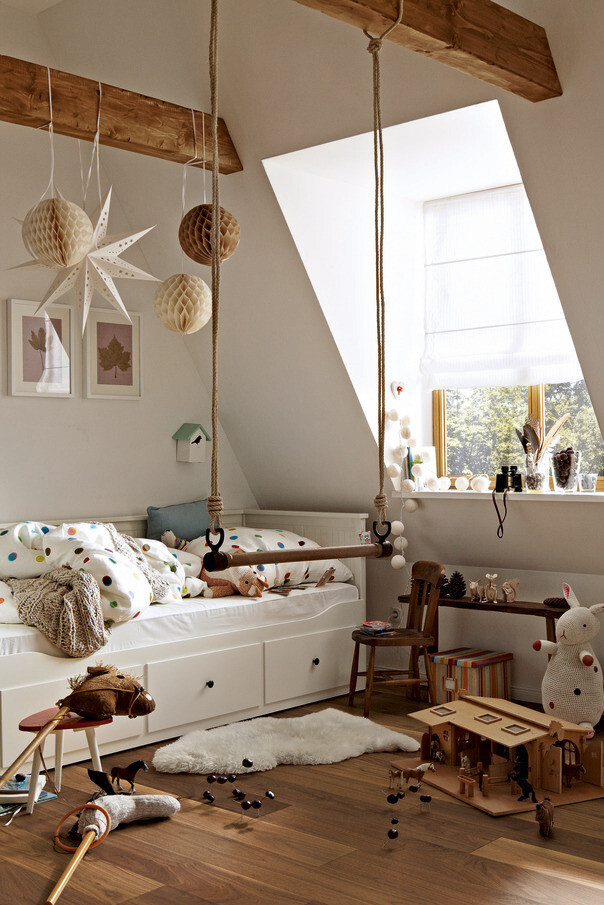
Given the limited headroom beneath slanted ceilings, innovative storage solutions are essential. Vertical storage such as tall, narrow bookcases or bespoke cabinetry fitted into the angles can perform double-duty—offering storage while accentuating architectural interest. Built-in storage units along the slope can conceal clutter and streamline your room’s appearance.
Underutilized spaces, like the area beneath the lowest parts of the ceiling, can be transformed into cozy nooks or hidden compartments. Using boxes, baskets, and wall-mounted systems allows you to personalize storage while maintaining easy access. Combining style and function with these smart solutions ensures you make the most of every inch in your slanted ceiling space.
Wall Decor Techniques to Complement Slanted Angles
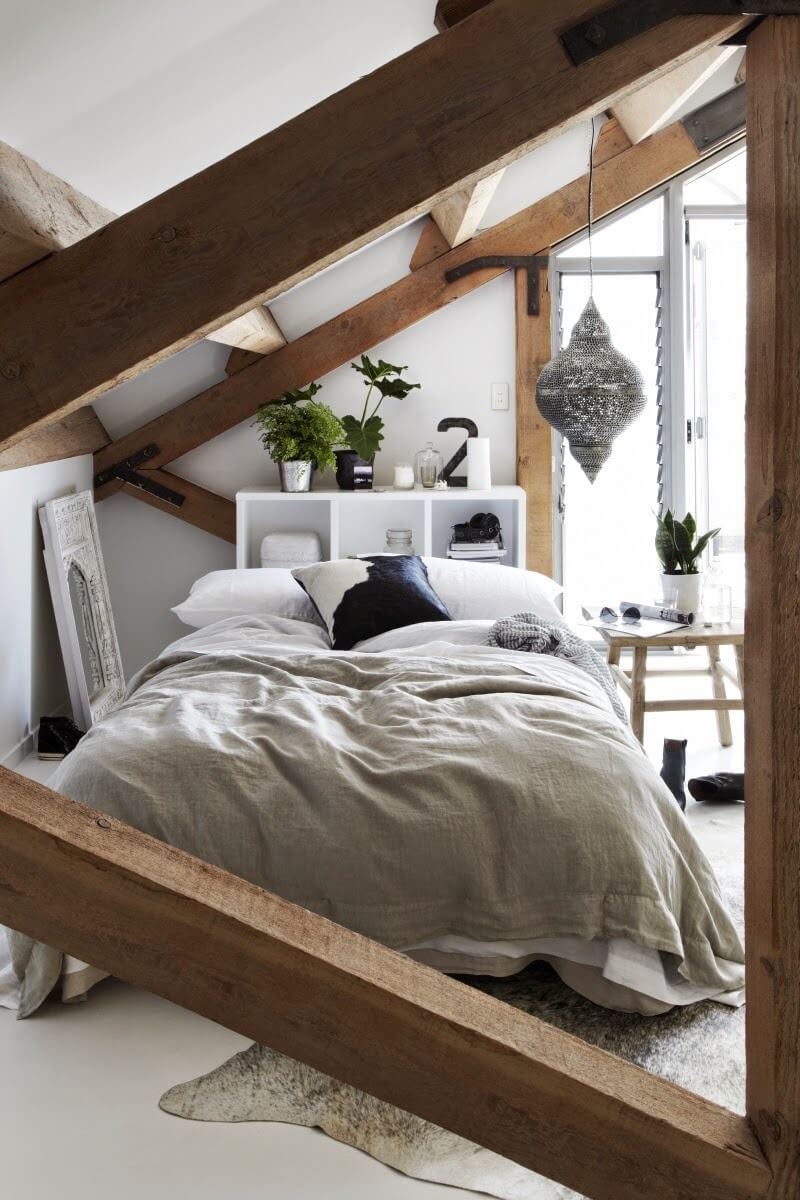
Decorating walls with slanted ceilings involves a careful approach to art and accessories. Hang artwork or photographs along the vertical walls to draw eyes upward and establish visual balance. When choosing wall decor, consider the angles—curved or asymmetrical pieces can enhance the natural flow of the room.
Mirrors are particularly effective in reflecting light and creating the illusion of higher ceilings, especially when placed strategically opposite windows or light sources. Use wall-mounted shelves to display decorative objects or plants, adding layers of texture and visual interest that complement the architectural slant. Thoughtful arrangement ensures your decor amplifies the character of the space without overwhelming it.
Utilizing Accessories and Textures to Add Depth and Interest
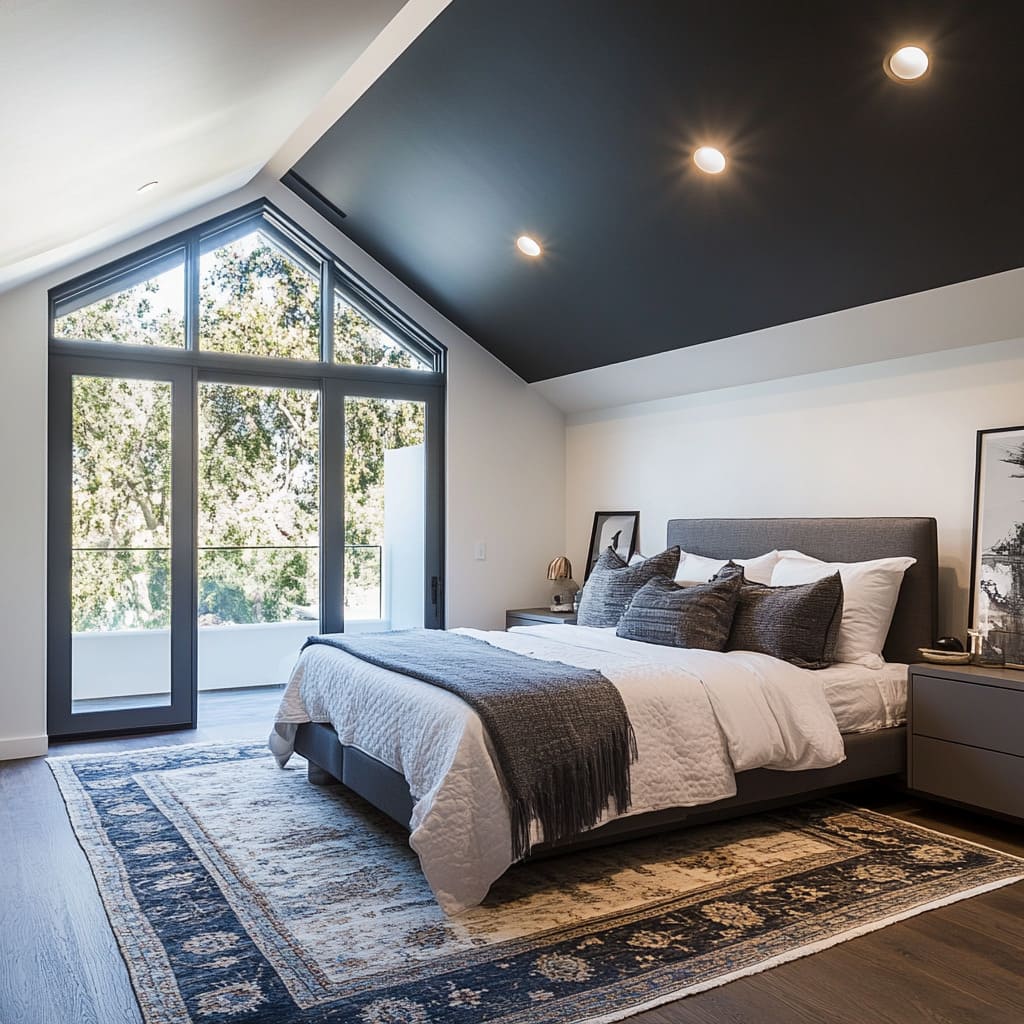
Accessories and textures are the finishing touches that breathe life into a room with slanted ceilings. Layering textiles—think cozy rugs, throw pillows, and curtains—adds softness and warmth, counterbalancing the angles. Use a variety of materials like wood, linen, and velvet to introduce tactile richness, making the space more inviting.
Decorative objects like lamps, vases, and art pieces can be strategically placed to emphasize angles and create focal points. Combining textures and accessories thoughtfully enhances depth, making the room feel complete and thoughtfully styled. Experimenting with different patterns and layers helps to soften architectural sharpness while highlighting the overall aesthetic.
DIY Projects and Hacks for Decorating Slanted Ceilings on a Budget
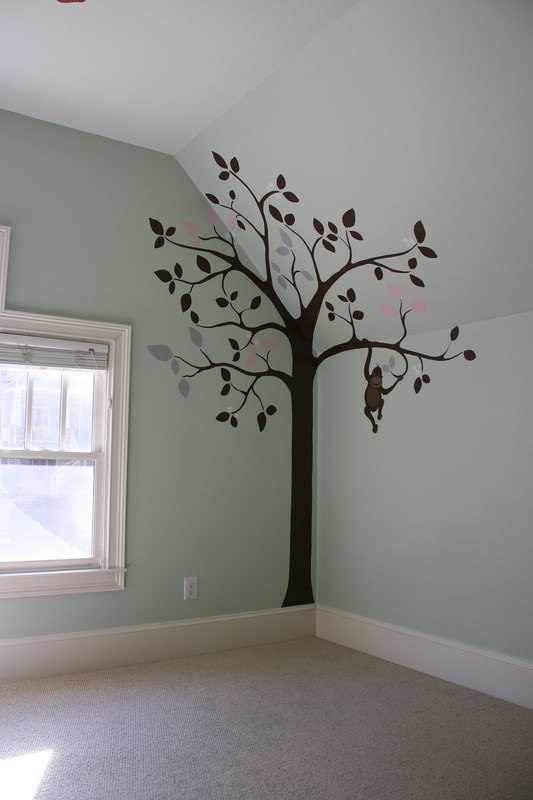
Decorating a slanted ceiling doesn’t have to break the bank; many budget-friendly DIY projects can dramatically transform your space. Creating custom canvas art, repainting existing furniture in trendy colors, or installing peel-and-stick wallpaper with fun patterns are simple yet impactful ideas. Using inexpensive materials like string lights or fabric hangings can add warmth and personality.
Hacks like repurposing vintage pallets into wall-mounted shelving or making your own geometric wall art allow you to inject style without overspending. The key is to focus on strategic placement and resourcefulness—altering existing pieces and adding personal touches makes decorating slanted ceilings accessible for everyone, regardless of budget.
Slanted Ceiling Decorating Styles – Inspiration and Examples
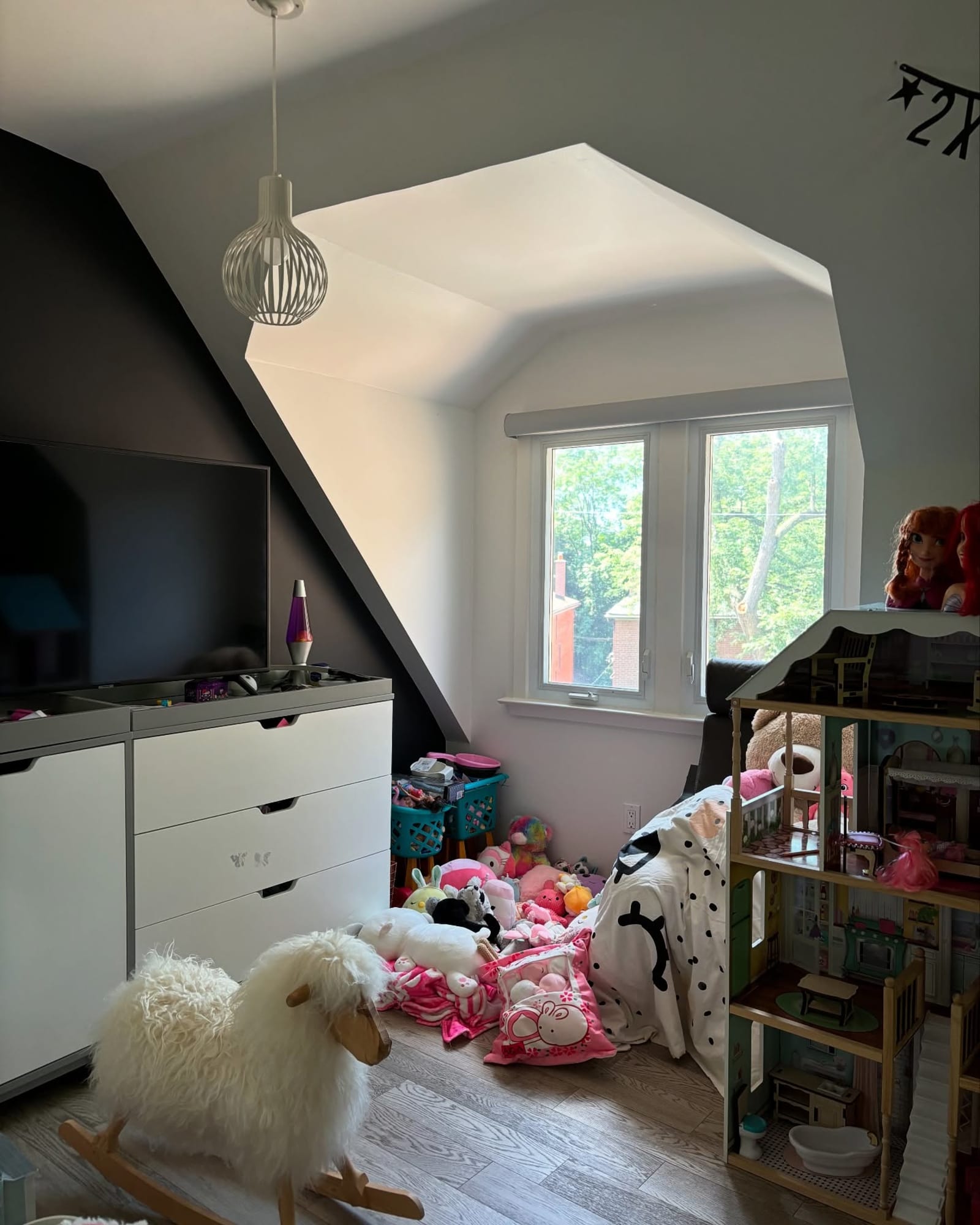
There’s a diverse array of decorating styles suited to spaces with slanted ceilings, from rustic and cozy cabins to sleek modern lofts. Scandinavian design, with its emphasis on light tones, natural textures, and minimalism, complements slanted ceilings beautifully by maximizing brightness and simplicity. Bohemian spaces thrive on layered textiles, eclectic artwork, and relaxed vibes, playing into the intimacy of sloped rooms.
Modern industrial styles often incorporate exposed beams and metal accents, which naturally highlight architectural elements. Vintage and shabby chic themes utilize distressed furniture and pastel palettes to soften the angles, creating charming retreats. By drawing inspiration from these styles and integrating your personal taste, you can transform slanted ceilings from awkward quirks into stunning focal points.
Conclusion
Understanding how to decorate slanted ceilings involves appreciating both their challenges and their potential to add architectural interest and warmth to your home. From selecting the right color palette and lighting to adapting furniture and wall decor, each detail contributes to a cohesive and functional space. Creative storage solutions, textured accessories, and inventive DIY projects further enhance the room’s charm while making the most of unconventional angles. With thoughtful planning, a sense of style, and a dash of experimentation, you can elevate your slanted ceiling space into a beautifully curated environment that reflects your personality and meets your lifestyle needs. Embrace the uniqueness of these ceilings and turn what might seem like limitations into stunning features that make your home truly special.