
Transforming a plain ceiling into a statement feature can dramatically enhance the beauty and character of any room. If you’re curious about how to decorate a tray ceiling, you’re opening the door to a versatile design element that offers endless possibilities. From selecting colors and lighting to adding moldings and accents, mastering this aspect of interior decorating can elevate your home’s aesthetic and create a uniquely personalized atmosphere.
In this comprehensive guide, we’ll explore the ins and outs of decorating a tray ceiling—covering everything from foundational planning to creative finishing touches. Whether you’re planning a subtle upgrade or a bold statement, understanding how to decorate a tray ceiling will empower you to craft a space that’s visually captivating and architecturally refined.
Understanding Tray Ceilings – An Introduction to Design Possibilities
Tray ceilings, also called recessed or inverted ceilings, are architectural features where the central part of the ceiling is set higher than the outer edges, creating a layered, tiered effect. This design element offers an exceptional canvas for homeowners and interior enthusiasts to add style, depth, and personality to any room—from bedrooms and living spaces to bathrooms and dining areas.
Beyond aesthetics, tray ceilings also provide practical advantages. They can conceal structural beams or mechanical components, improve acoustics, and in some cases, help to elevate natural light. When learning how to decorate a tray ceiling, it’s important to recognize its potential to serve as both a visual centerpiece and a functional architectural enhancement. The key to successful decoration lies in understanding the architectural hierarchy and choosing design elements that emphasize or complement the ceiling’s structure.
Planning Your Tray Ceiling Decoration – A Step-by-Step Guide
Planning is crucial when approaching how to decorate a tray ceiling. Start by inspecting your space to understand the height, dimensions, and existing decor. Decide if your goal is to make a subtle statement or create a bold feature, as this will influence material choices, colors, and lighting options. Map out your ideas by sketching configurations or creating mood boards—this helps in visualizing different design schemes before committing.
Next, evaluate your budget and timeline. Some projects may require professional help—especially if you plan to install intricate moldings, structural modifications, or complex lighting arrangements. Establishing a logical sequence—such as painting first, then adding moldings or lighting—will streamline the process. Remember that the overall style of your room, be it modern, rustic, or traditional, should guide your design choices for a cohesive look. The act of planning transforms an abstract idea into a tangible vision, ensuring that your decorating efforts are both efficient and inspired.
Color Strategies for Tray Ceilings – Achieving the Perfect Aesthetic
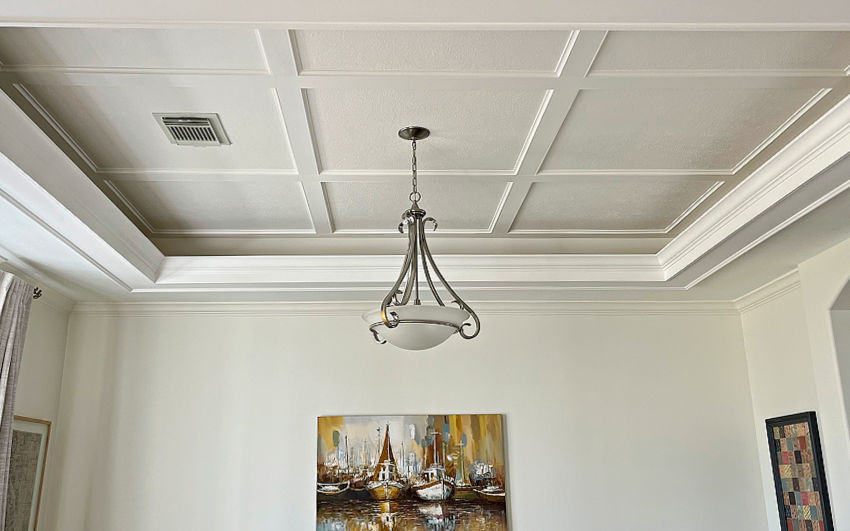
Color is one of the most powerful tools in decorating a tray ceiling, and understanding the interplay of hues can dramatically influence the room’s mood. Lighter shades—such as whites, creams, and soft pastels—can make the space feel larger and airier, especially when you want a subtle enhancement. Conversely, bold or dark hues, like navy or charcoal, can add depth, drama, and sophistication to the design, making the tray ceiling a true focal point.
For balanced aesthetics, consider how your wall colors work with your tray ceiling palette. Monochromatic schemes create seamless elegance, while contrasting colors draw attention and create visual interest. To add extra dimension, gradient or ombre painting techniques allow the color to transition smoothly across the tiers, emphasizing the tray effect and adding a sense of movement. Thoughtful color strategies make decorating a tray ceiling an art form—allowing you to evoke specific emotional responses and style statements within your space.
Lighting Options for Tray Ceilings – Illuminating Style and Dimension
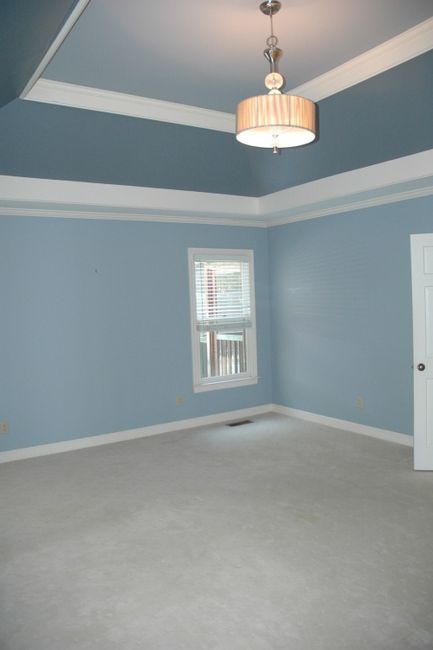
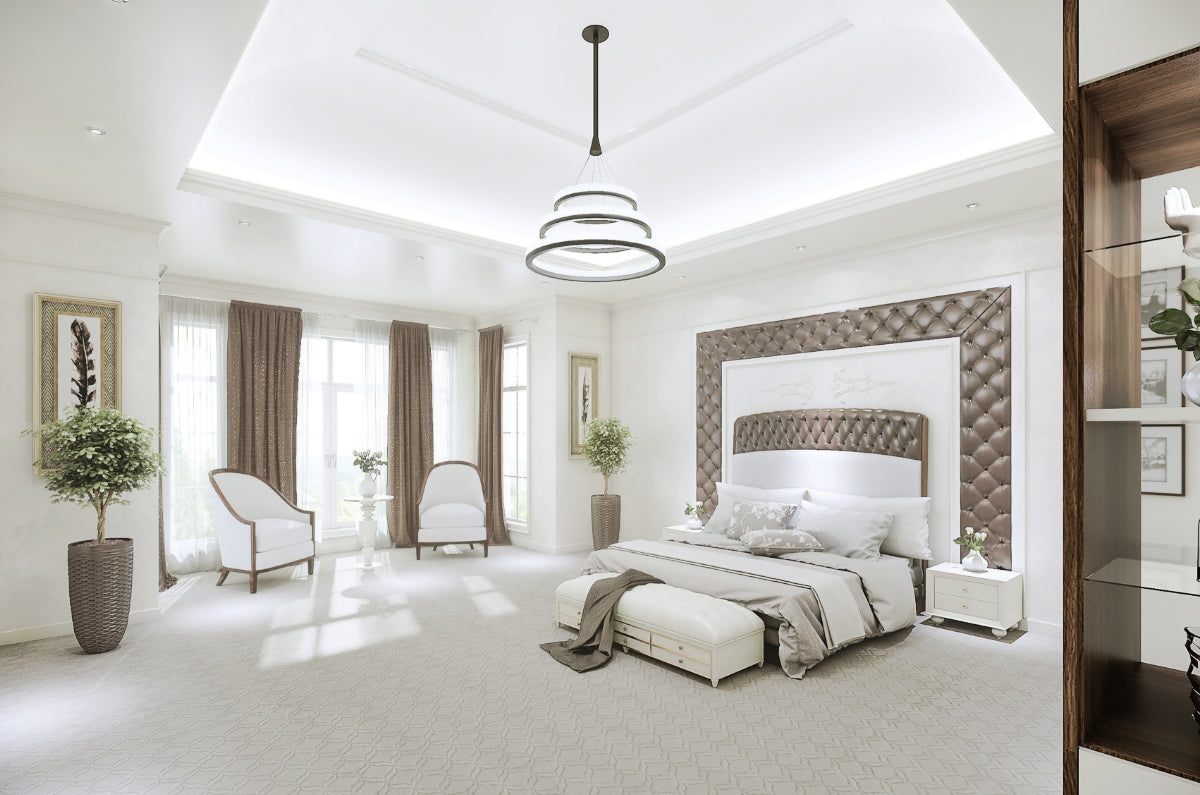
Lighting plays a pivotal role in how to decorate a tray ceiling, transforming it from merely a structural feature into a luminous centerpiece. Recessed lighting or LED strip lights embedded along the perimeter of the tray can cast a beautiful ambient glow, emphasizing its architectural contours. Installing dimmable fixtures offers flexibility, allowing you to switch from functional to mood lighting depending on the occasion.
Another exciting option is chandeliers or pendant lights hung within the central tray or beneath the outer edges. These fixtures add a touch of glamour and act as focal points, especially in dining rooms and living spaces. Using layered lighting—combining ambient, task, and accent fixtures—creates a dynamic and inviting atmosphere. Proper illumination accentuates the design details of your tray ceiling, making it a visual delight both day and night.
Molding and Trim Ideas – Enhancing the Architectural Appeal of Your Tray Ceiling
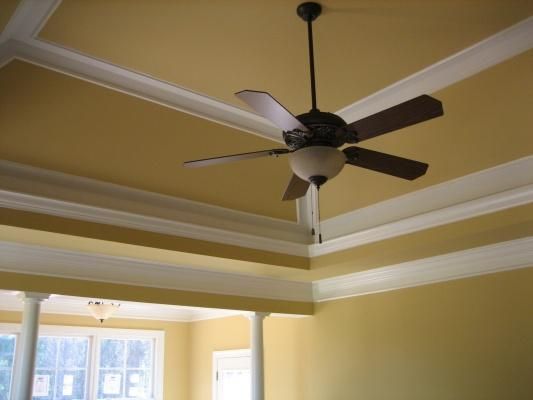
Moldings and trim are fundamental to how to decorate a tray ceiling with sophistication and elegance. Crown moldings frame the perimeter of the tray, providing a finished look while emphasizing its layered structure. For a more intricate design, consider adding decorative rosettes, cornices, or medallions at key points to create focal accents.
Mixing textures and materials within your moldings—such as combining painted wood with metal or plaster—can add richness and complexity. Additionally, installing molding at different heights or combining contrasting colors can create visual separation between tiers, highlighting the architectural depth. Thoughtful application of moldings and trims elevates the overall aesthetic, making your tray ceiling a standout feature that complements the room’s style and elevates its architectural integrity.
Paint Techniques for Tray Ceilings – Creating Depth and Visual Interest
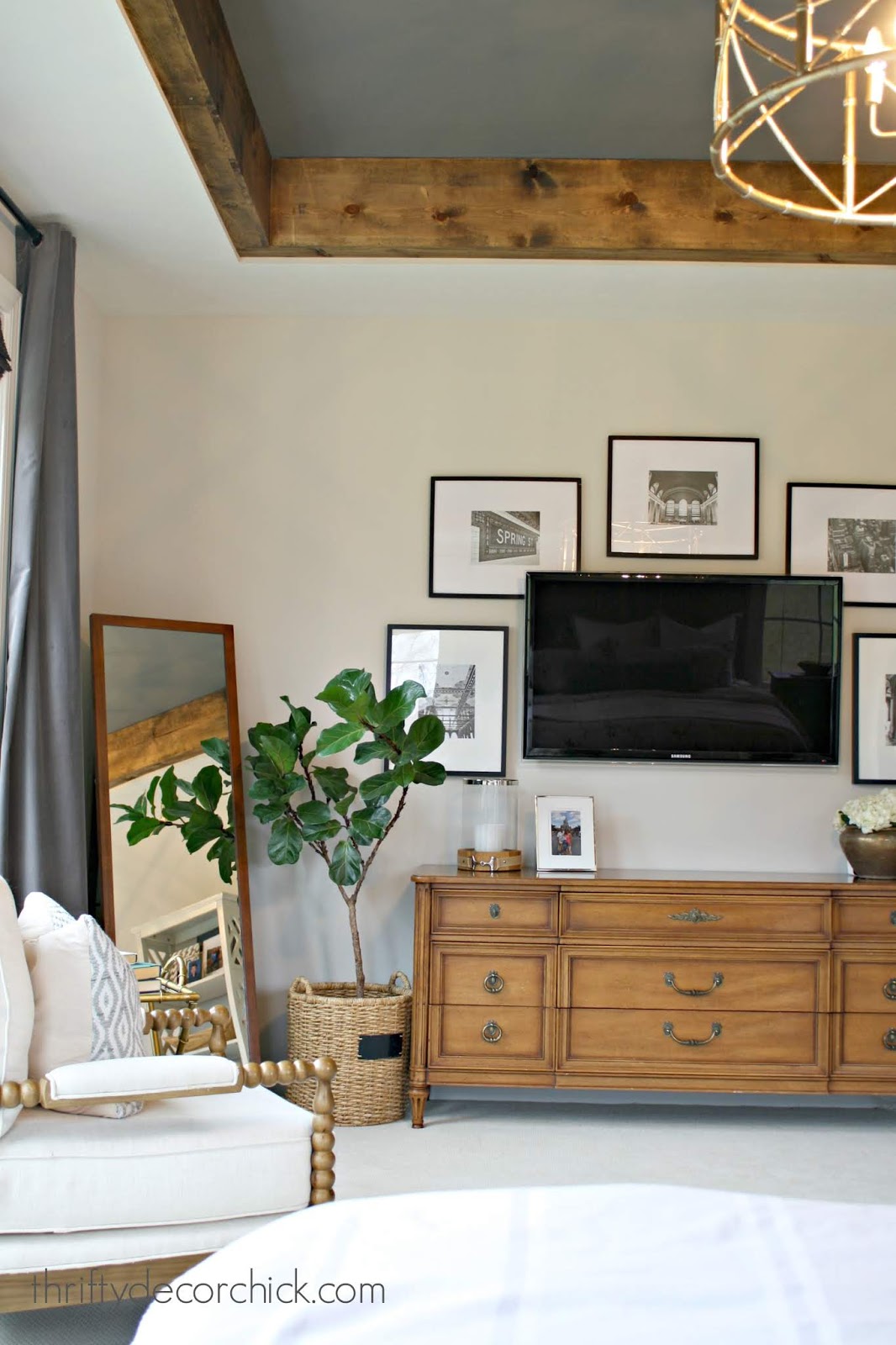
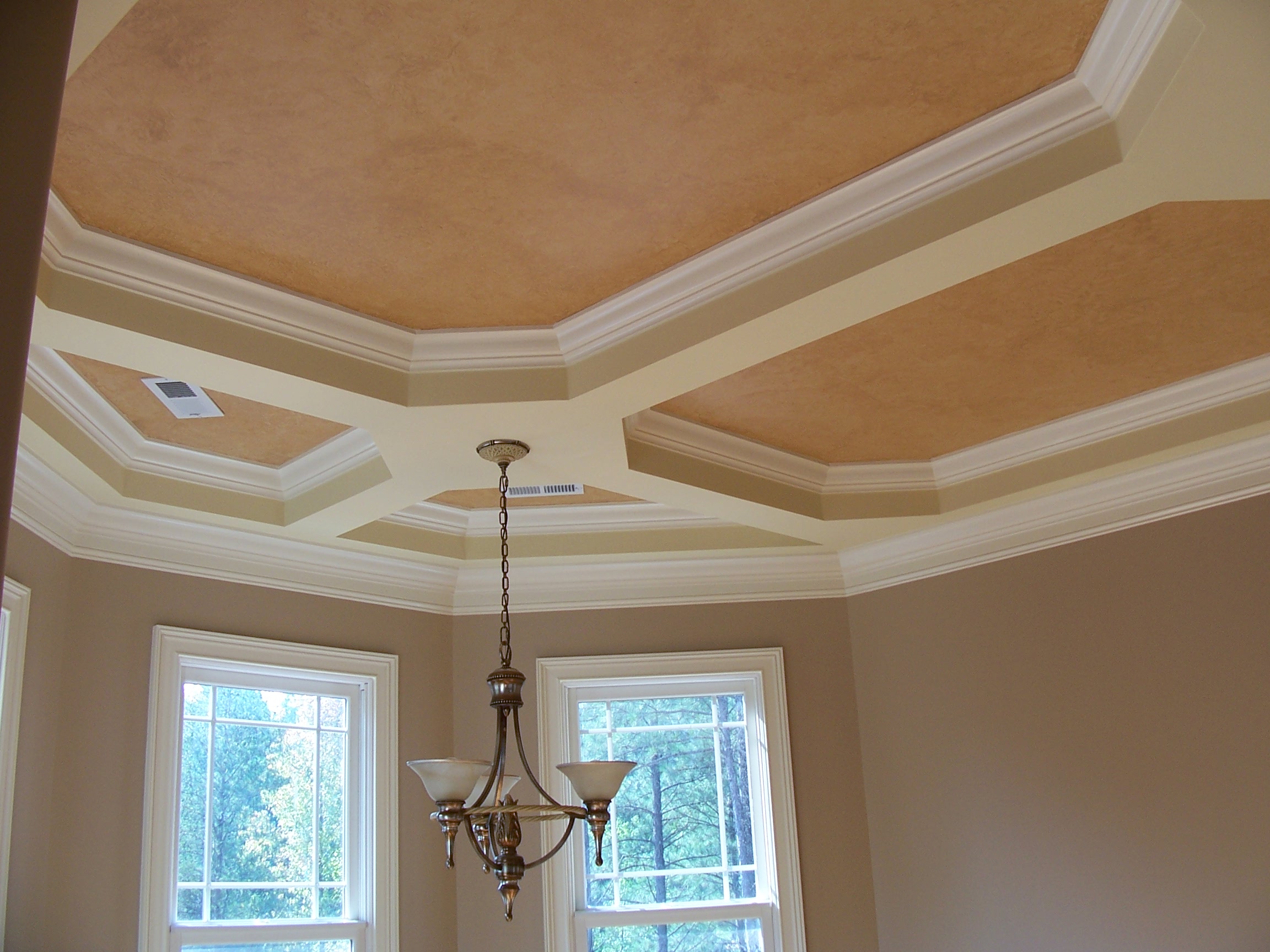
Innovative paint techniques are an excellent way to add texture and dimension to your tray ceiling, making it more than just a painted surface. Stippling, sponging, or rag-rolling can produce subtle variations in color and pattern, adding depth to the surface. For a more dramatic effect, using metallic paints or gloss finishes on certain sections can catch light and create shimmer and movement.
Layering different shades within the tiers—such as darker hues toward the center and lighter shades around the edges—can emphasize the depth of the tray structure. Stripes, geometric patterns, or murals can transform the ceiling into a piece of artwork that complements the room’s theme. These paint techniques enhance visual interest and reinforce the style you want your space to express, making learning how to decorate a tray ceiling a fun and creative challenge.
Accessorizing Your Tray Ceiling – Incorporating Accents and Focal Points

Accessories are the finishing touches that bring personality and charm to your decored tray ceiling. Artful lighting fixtures—like oversized chandeliers or statement pendant lights—serve as focal points and highlight the architectural features. Consider installing decorative medallions or floral motifs at the center or corners to add an elegant, personalized touch.
Additional elements such as hanging plants, floating shelves, or even subtle wallpaper patterns within the tray can add layers of texture and interest. When choosing accessories, think about scale and proportion—too small and they might get lost, too large and they could overwhelm the design. Carefully curated accents amplify your design concept, making the tray ceiling a captivating element that grounds your overall interior aesthetic.
DIY Tray Ceiling Decoration Projects – Affordable and Creative Solutions
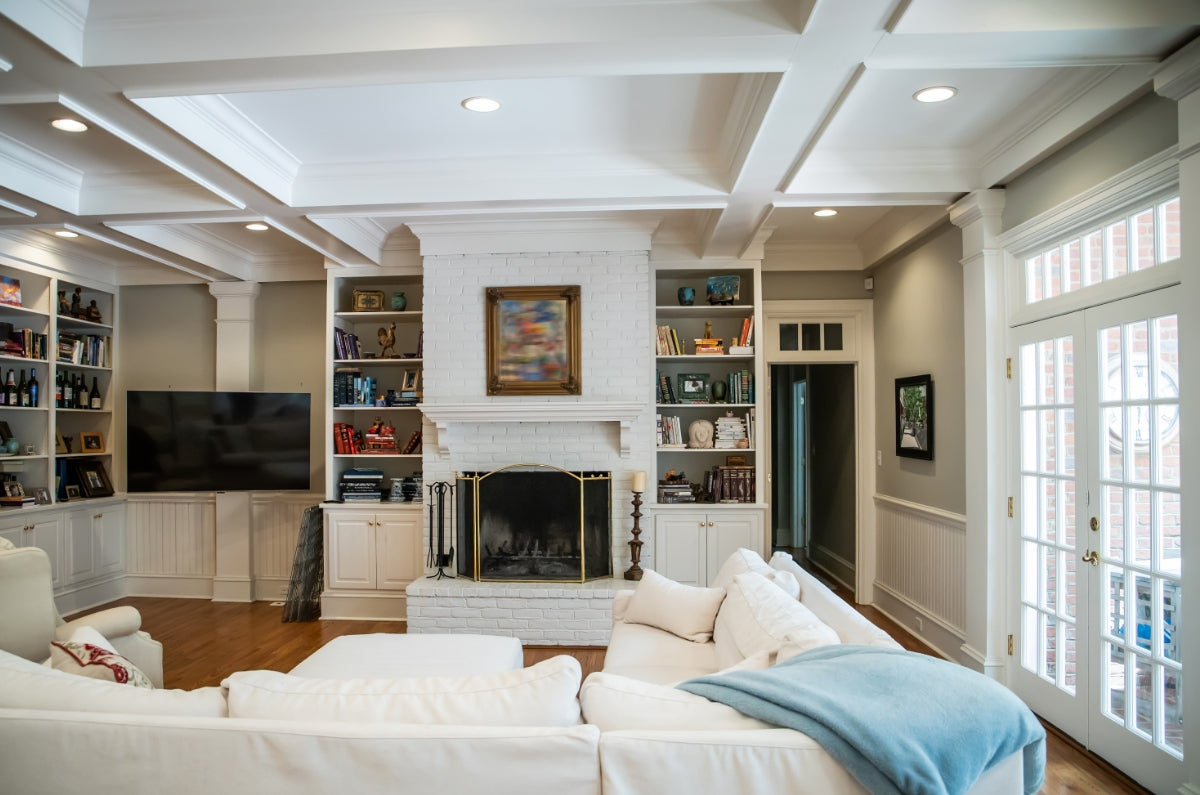
Embarking on do-it-yourself projects to decorate a tray ceiling can be rewarding, budget-friendly, and creatively satisfying. Simple DIY ideas include painting or stenciling patterns on the tiers, installing faux moldings made from foam or lightweight materials, or adding glow-in-the-dark paint for a whimsical effect. These projects are accessible for beginners with some basic tools and materials, allowing you to personalize your space with pride.
Beyond painting, you can upgrade your tray ceiling with removable wallpaper or decals that mimic intricate moldings or textures. Installing LED strip lights or string lights along the perimeter is another cost-effective way to introduce ambient illumination. DIY projects enable you to experiment with styles, colors, and textures, giving your space a bespoke feel—making the process both fun and fulfilling while enhancing your understanding of how to decorate a tray ceiling.
Common Tray Ceiling Decoration Mistakes to Avoid
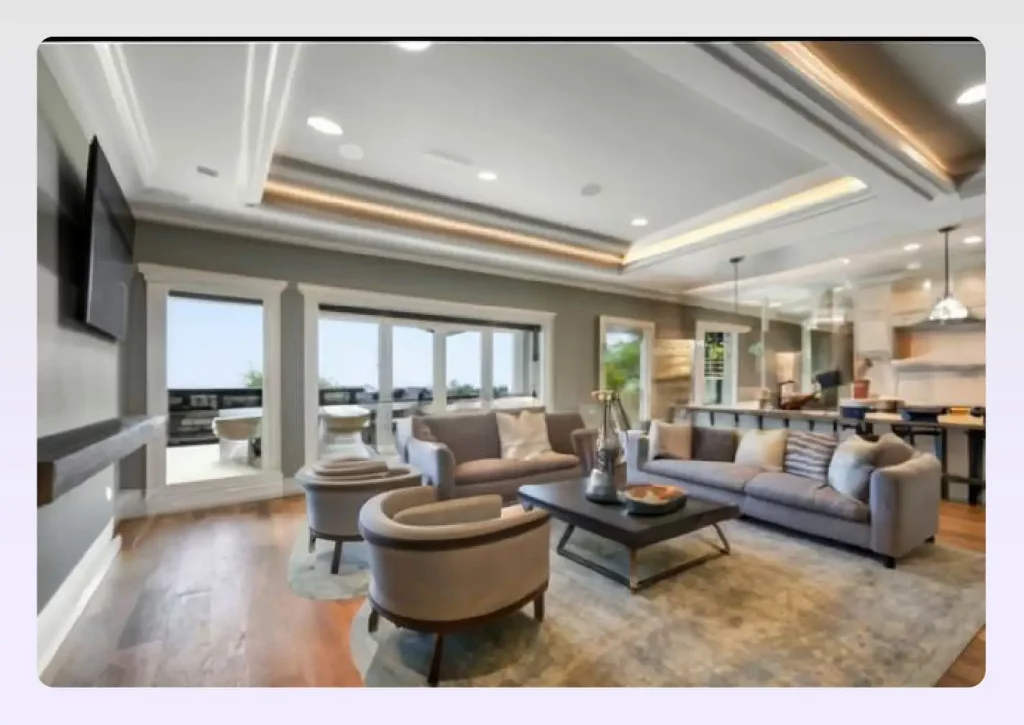
As with any design project, certain pitfalls can compromise the beauty of your tray ceiling. Overly complicated moldings or excessive lighting can clutter the space, making it feel disorganized. It’s crucial to balance embellishments with simplicity— too many conflicting elements could distract from the architectural feature rather than highlight it.
Another common mistake is neglecting the room’s overall style; mismatched colors, fixtures, or textures can create visual discord. Furthermore, ignoring the proportions—choosing fixtures or decorations that are disproportionate to the size of the room—can diminish the intended impact. Careful planning, moderation, and a cohesive design approach are vital in mastering how to decorate a tray ceiling to achieve a stylish, harmonious result.
Transforming Your Space – The Impact of a Well-Decorated Tray Ceiling
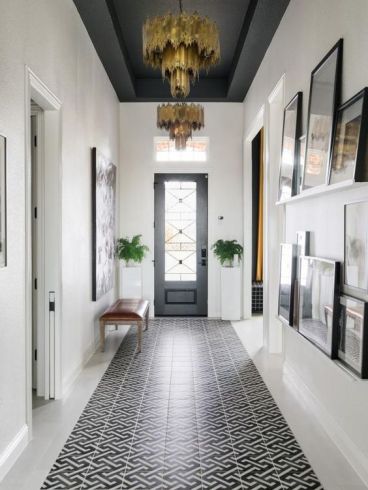
A well-decorated tray ceiling has the power to redefine your entire space, creating a minibar of visual interest and architectural sophistication. It transforms a plain ceiling into an artful element that draws the eye upward, emphasizing height and elegance. Proper lighting, color, and accessories can turn a standard room into a luxurious retreat, a cozy nest, or a cutting-edge contemporary haven.
Beyond purely aesthetic benefits, a thoughtfully decorated tray ceiling fosters a sense of grandeur and attention to detail that elevates your home’s value. It encourages creative exploration, personal expression, and craftsmanship—making your interior truly one of a kind. Achieving the perfect balance between design elements is key to unlocking the full potential of this architectural feature and creating a space that’s both beautiful and inspiring.
Conclusion
Mastering how to decorate a tray ceiling involves understanding its architectural potential and thoughtfully applying colors, lighting, moldings, and accessories to enhance its beauty. Planning correctly, selecting the right techniques, and avoiding common mistakes can turn what might seem like a simple ceiling into a stunning focal point that elevates the entire room. Whether you opt for subtle elegance or bold statements, decorating a tray ceiling is a perfect opportunity to showcase your personal style and creativity, transforming your space into a visually captivating environment that reflects your taste and enhances your lifestyle.