
Installing a ceiling fan can dramatically improve the comfort and aesthetic of your living space. If you’re wondering how to install a home decorators ceiling fan, you’ve come to the right place. This comprehensive guide will walk you through every step, from preparatory measures to final adjustments, ensuring a safe and effective installation. Whether you’re a DIY enthusiast or a homeowner eager to upgrade, understanding the process is invaluable for achieving a perfectly functioning and stylish ceiling fan that enhances your room’s ambiance.
In this article, we’ll explore the entire installation journey in detail, emphasizing safety, proper tools, and technique. By mastering how to install a home decorators ceiling fan, you not only gain a functional and elegant feature but also develop a useful skill that saves money and increases home value. Let’s begin by preparing for installation through careful planning and tool gathering.
Preparing for Installation – Gathering Tools and Safety Precautions
Successful ceiling fan installation starts long before your tools come out—it’s rooted in thorough preparation and a safety-first mindset. Begin by assessing your ceiling’s existing wiring system, ensuring ceiling boxes are rated for fan installation, and turning off the circuit breaker to avoid electrical hazards. Safety is paramount: wear gloves and eye protection, and double-check that the power is indeed off before handling any electrical components.
Once safety is assured, gather all necessary tools: a sturdy ladder, Phillips and flat-head screwdrivers, adjustable wrench, wire strippers, voltage tester, and possibly a step drill if alterations are needed to your mounting area. Having your tools ready avoids unnecessary interruptions, which can lead to rushed work or mistakes. Understanding your room’s wiring and mounting options paves the way for a smoother installation process, especially when dealing with different ceiling heights or existing fixtures.
Unboxing and Identifying Home Decorators Ceiling Fan Components
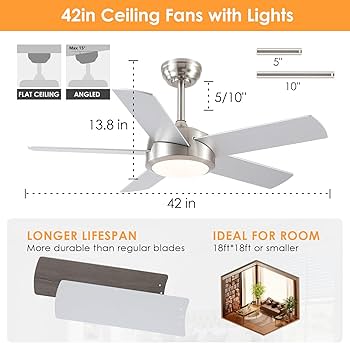
Unboxing your home decorators ceiling fan is like opening a gift—anticipation builds as you lay out each part. Carefully examine the components, which typically include the motor assembly, fan blades, light kit (if included), mounting bracket, downrod, and various hardware. It’s essential to verify that all parts are present and undamaged; missing or defective parts can delay or complicate installation.
This phase also offers an opportunity to familiarize yourself with each part’s purpose and matching parts to their respective steps. Take note of the manual’s diagrams and instructions, especially if specific hardware or mounting techniques are suggested. Organizing parts systematically prevents confusion during assembly and helps identify extras you may not need. Understanding the full kit ensures a smoother process and a better grasp of how to install a home decorators ceiling fan from start to finish.
Removing the Existing Light Fixture (If Applicable)
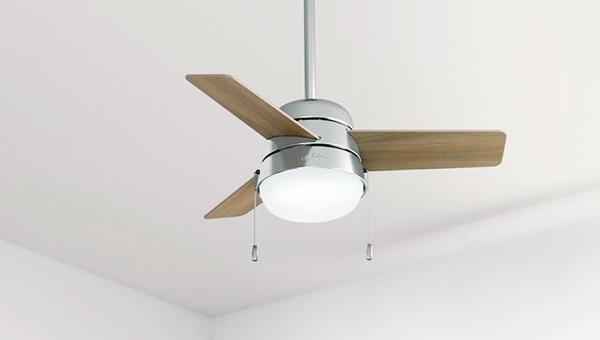
Before installing a ceiling fan, you may need to remove an existing light fixture. This task might seem straightforward, but it requires patience and attention to detail. First, turn off the circuit breaker to ensure safety. Carefully remove the fixture’s glass shades, bulbs, and mounting hardware, making note of how components are wired, as it can inform your new fan’s wiring.
While removing, inspect the ceiling box’s compatibility and condition. Sometimes, older fixtures are mounted on boxes that aren’t rated for fan support, which could compromise safety. Carefully disconnect the wiring, and set aside all parts that will no longer be used. If you plan to reuse the electrical box, ensure it can hold the weight of your new fan—if not, consider replacing it with a fan-rated box. Proper removal sets a safe foundation for the new installation and helps prevent future issues.
Mounting the Ceiling Fan Bracket – Choosing the Correct Method
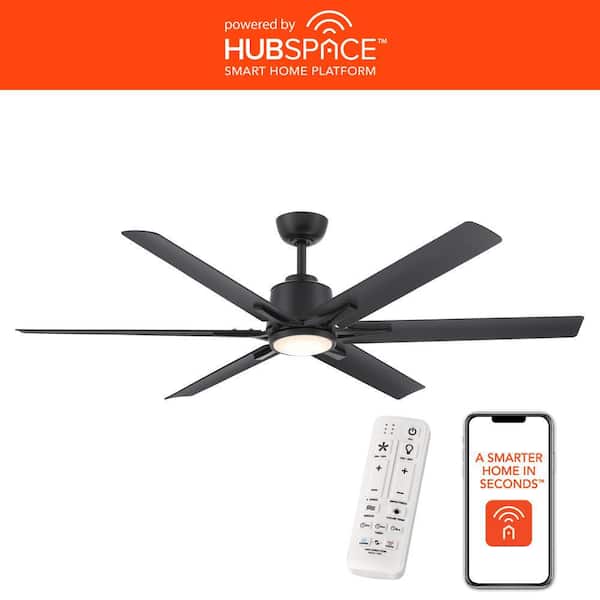
The mounting bracket serves as the critical support for your ceiling fan, making proper installation vital to ensure stability and safety. First, select the mounting method suitable for your ceiling type—whether it’s a standard ceiling, sloped/angled ceiling, or a high ceiling that requires additional extension. Many home decorators ceiling fans come with adjustable brackets and detailed instructions for different scenarios.
Once you decide, attach the bracket to the ceiling box securely, using the appropriate screws and anchors. Ensure the bracket is level and tight, as this directly affects the balance of your fan and the smoothness of operation. Personal insights suggest taking extra care on angled ceilings—using angled mounting kits or additional supports can prevent wobbling. A properly mounted bracket is the backbone of your fan’s longevity, and understanding how to install a home decorators ceiling fan properly includes mastering this essential step.
Wiring the Ceiling Fan – Step-by-Step Electrical Connections

Wiring is arguably the most technical step in how to install a home decorators ceiling fan. Begin by identifying the wires: typically, you’ll encounter black (hot), white (neutral), and green or copper (ground). Carefully connect these wires from your ceiling to the corresponding wires on your fan, adhering to the manufacturer’s wiring diagram. Using wire nuts and electrical tape enhances safety and ensures secure connections.
Pay particular attention to the switch wiring, especially if your fan has a light kit or multiple fan speeds. Some models may also incorporate additional wiring for remote controls or smart features. It’s wise to use a voltage tester before touching wires to confirm no live current remains. Once wired, gently tuck the connections into the ceiling box and proceed to attach the canopy or mounting cover. Precise wiring ensures your fan operates safely and efficiently, reinforcing that how to install a home decorators ceiling fan hinges on impeccable electrical connections.
Assembling the Ceiling Fan Motor and Blades
Now that your fan is wired, it’s time to assemble the motor and attach the blades. Begin by attaching the fan blades to their respective brackets or arms, following the included instructions. It’s beneficial to hold each blade against the motor housing to ensure they’re properly aligned and balanced, which minimizes wobbling during operation.
Personal insights reveal that balancing blades and tightening all screws uniformly can significantly extend your fan’s lifespan and functionality. When assembling the motor, take care not to overtighten components, as this could damage delicate parts. The satisfaction of seeing your fan taking shape adds excitement to the project, and a well-assembled fan blades assembly sets the stage for smooth, quiet operation—making how to install a home decorators ceiling fan a rewarding endeavor for any DIY enthusiast.
Attaching the Fan Blades and Light Kit (If Included)
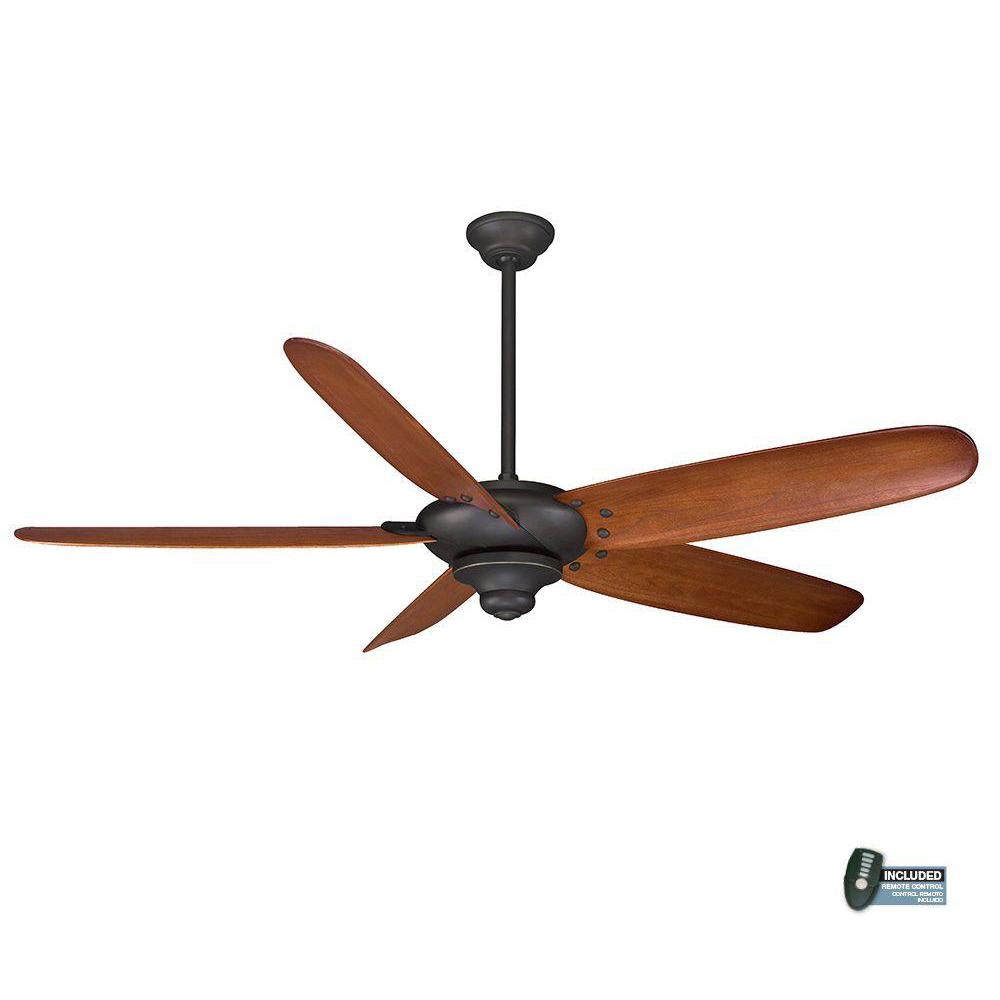
Attaching the blades and light kit—if your model includes one—is a delicate but straightforward task. Begin by securing each blade firmly to the motor, usually with screws provided, ensuring the blades are mounted at the correct angle for optimal airflow. Take your time to balance blades if you notice any wobbling, as this ensures stability and prevents undue wear.
The light kit, often customizable, can be installed next by connecting the wiring, aligning mounting brackets, and securing the components. Follow the manufacturer’s instructions carefully, especially when dealing with delicate glass or decorative elements. Properly attaching the blades and light features not only enhances your fan’s functionality but also accentuates your room’s decor. When executed carefully, this step culminates in a professional-looking installation that demonstrates how to install a home decorators ceiling fan with finesse.
Testing and Troubleshooting the Ceiling Fan Operation
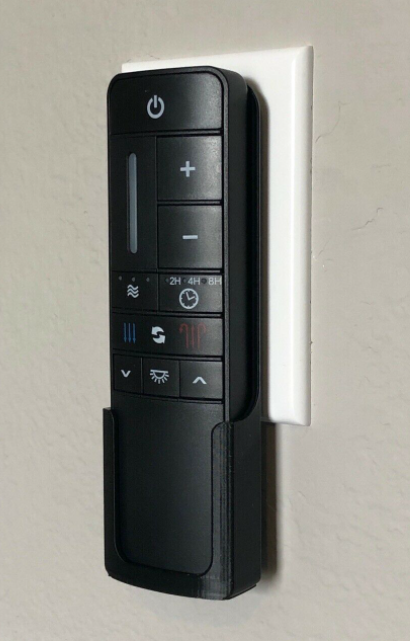
Before finalizing your installation, turn the circuit breaker back on and test the fan’s operation. Start with the slowest setting, checking for wobbling or abnormal sounds. If issues arise—such as no movement, flickering lights, or wobbling—address them promptly. Common causes include improper wiring, unbalanced blades, or loose mounting screws.
Troubleshooting involves verifying wiring connections, adjusting blade balancing kits, and tightening all fasteners. Additionally, testing different switches and remote controls can help diagnose electrical or control system issues. It’s a good idea to observe the fan’s behavior for several minutes, ensuring it runs smoothly and quietly. The ability to troubleshoot confidently reflects a solid understanding of how to install a home decorators ceiling fan correctly and safely, ensuring longevity and comfort.
Final Adjustments and Securing All Components
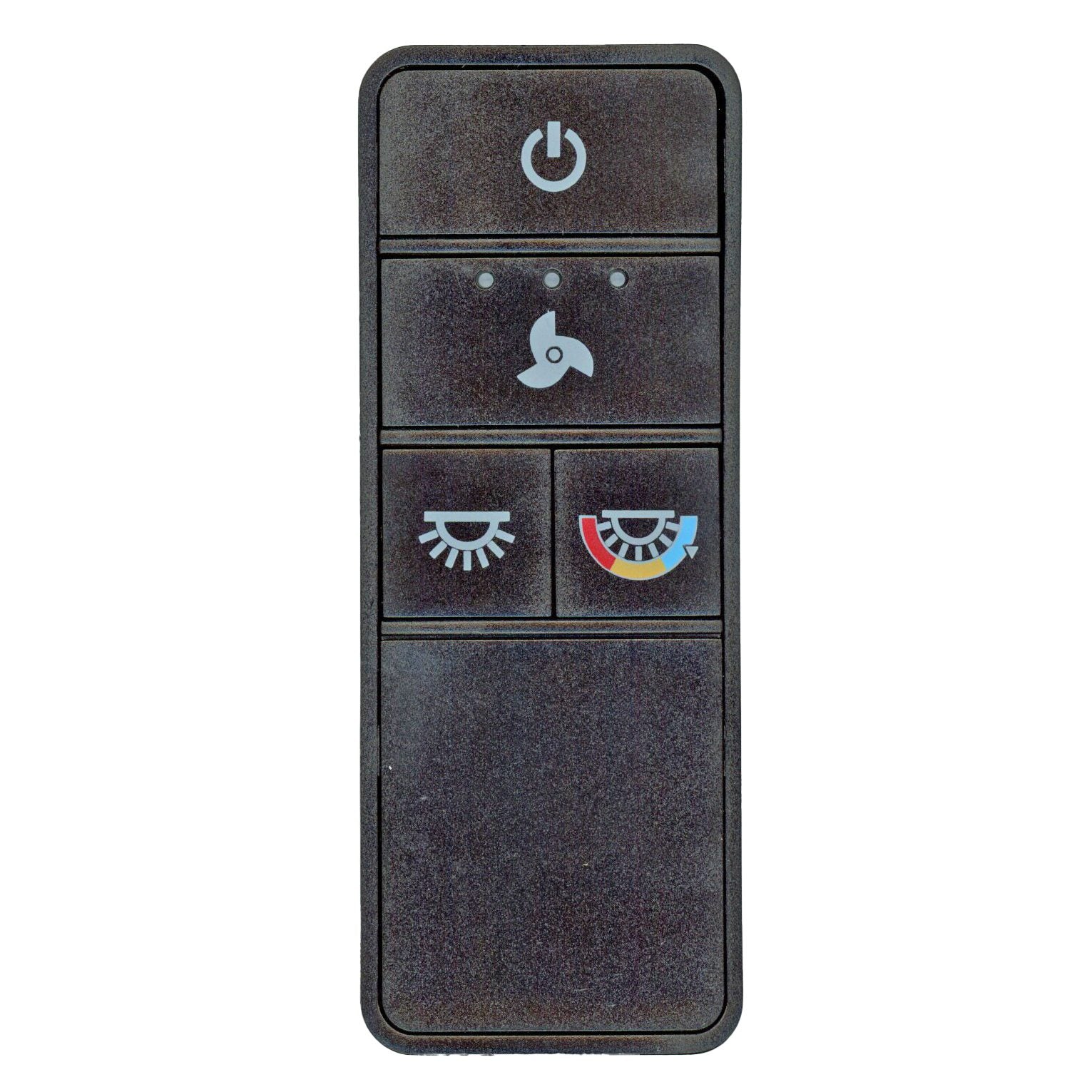
After confirming the fan functions correctly, make final adjustments to ensure all components are secure. Tighten any loose screws on fan blades, light kits, and mounting brackets. Check the canopy to verify it sits flush against the ceiling, preventing any gaps. If your fan has a slope-adjusting mechanism, ensure it’s correctly aligned to maintain balance and natural appearance.
An often overlooked but essential step is to clean dust or fingerprints from the blades and motor housing. Not only does this maintain your fan’s aesthetic appeal, but it also prevents dust accumulation that could impair motor function. Securing everything tightly and making these final tweaks is the culmination of how to install a home decorators ceiling fan—a process that transforms raw parts into a beautifully functioning feature that enhances your home environment.
Cleaning and Maintaining Your Home Decorators Ceiling Fan
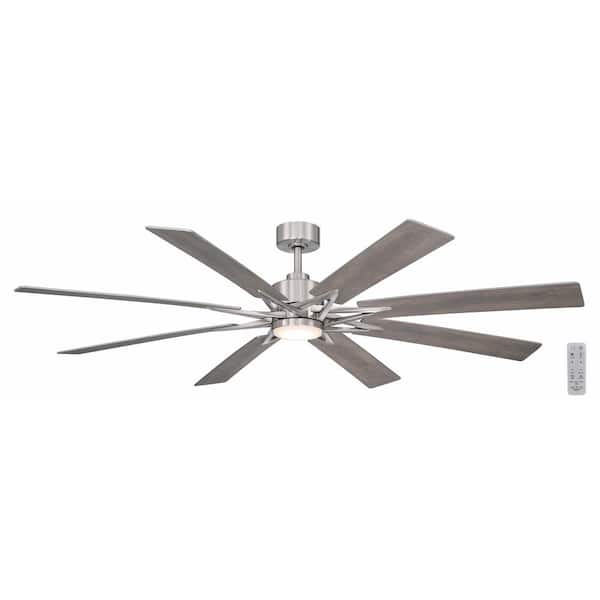
Proper maintenance extends your ceiling fan’s lifespan and ensures ongoing performance. Regularly cleaning blades with a damp cloth will prevent dust build-up, which can decrease airflow efficiency. Check the fan periodically for loose screws, wobbling, or unusual noises, and tighten or adjust as needed.
Maintenance also involves inspecting wiring connections and replacing bulbs in the light kit when burnt out. For fans installed on angled or vaulted ceilings, periodic balance checks can prevent wobbling and reduce motor strain. Educating yourself about how to install a home decorators ceiling fan also includes understanding how to keep it in top condition. With proper care, your ceiling fan remains a stylish and effective cooling feature for years to come.
Conclusion
Installing a home decorators ceiling fan is a rewarding project that combines safety, technical skill, and aesthetic sensibility. By carefully preparing, assembling, wiring, and testing your fan, you ensure not only a safe installation but also optimal functionality and visual appeal. From removing old fixtures to final adjustments and maintenance, each step contributes to creating a comfortable and stylish room environment. Mastering how to install a home decorators ceiling fan arms you with a valuable DIY skill—saving money, enhancing your home decor, and providing a sense of pride in a job well done.